
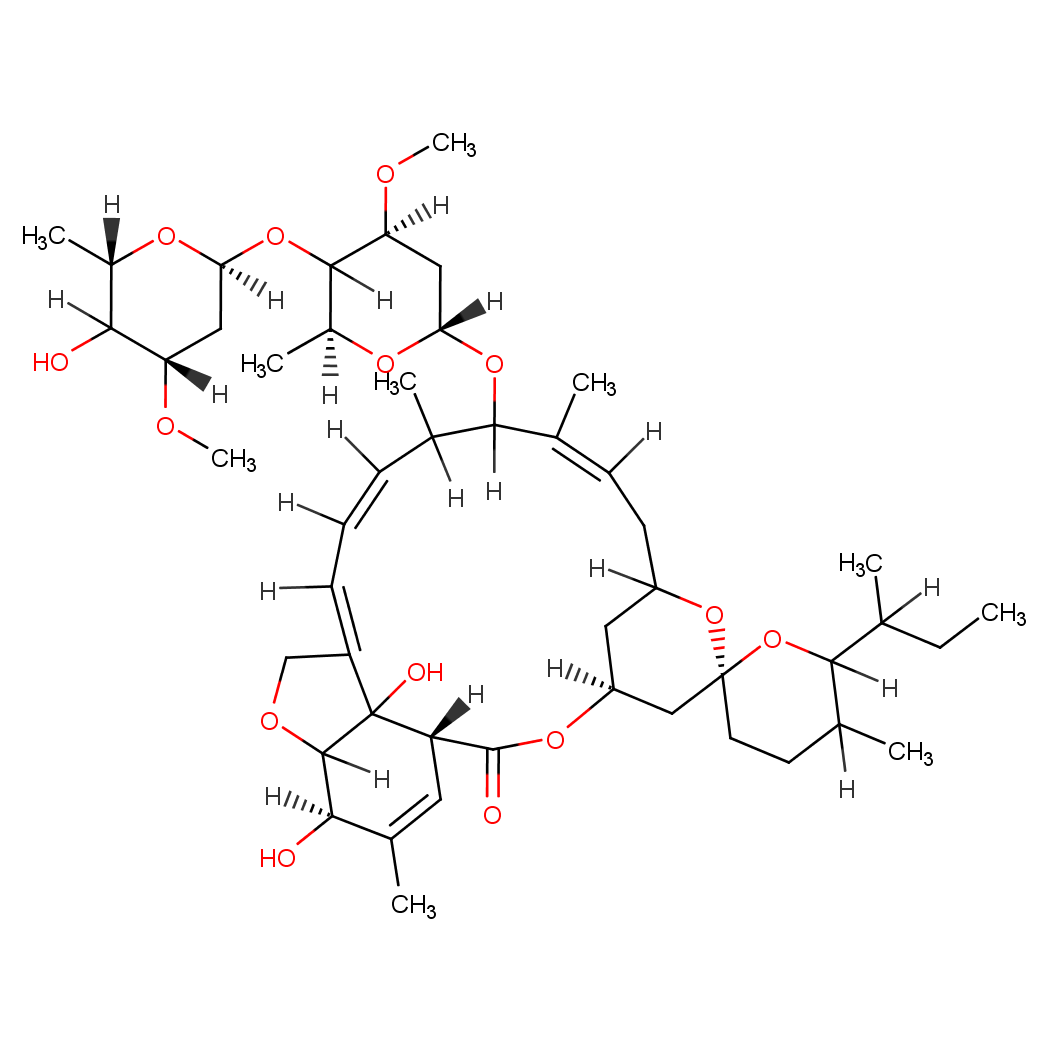
Ivermectin, with the chemical formula C48H74O14 and CAS number 70288-86-7, is a widely used antiparasitic agent that belongs to the macrocyclic lactone class. It is primarily used in the treatment of various parasitic infections in both humans and animals, targeting parasites such as roundworms, lice, and scabies.
Panacur, known by its chemical formula C15H13N3O2S and CAS number 43210-67-9, is a medication in the benzimidazole class. It is widely used in veterinary care to treat gastrointestinal parasites such as roundworms, hookworms, and tapeworms in both livestock and pets. Available under the brand names Panacur® and Safe-guard®, fenbendazole comes in various oral forms, including single-use packets, as well as granules, liquids, chews, and capsules, and can be purchased over-the-counter or through a prescription from a veterinarian.
Ivermectin and Panacur are both effective dewormers, but they differ in their chemical structure, mechanism of action, and the spectrum of parasites they target. While Ivermectin is commonly used for a broader range of parasitic infections, Panacur is typically used for treating specific gastrointestinal parasites in animals.


Both Ivermectin and Panacur are synthesized via complex processes that involve specialized chemical reactions to produce their active antiparasitic compounds. A significant distinction is their method of synthesis: Ivermectin is biologically produced through fermentation, while Panacur is made through traditional synthetic chemistry methods. This difference in origin influences their production scale and the types of modifications applied to each compound.
Ivermectin and Panacur are both widely recognized and utilized in veterinary medicine and human health, but they serve distinct roles in the treatment of parasitic infections. These medications are both potent antiparasitic agents, but they differ in the types of parasites they target, their methods of administration, and their specific uses across various species. Understanding the differences between Ivermectin and Panacur is crucial for selecting the appropriate treatment for parasitic infestations in both humans and animals.

Ivermectin is a broad-spectrum antiparasitic agent that is used to treat a wide array of parasitic infections in both humans and animals. In human medicine, it is commonly prescribed for conditions like onchocerciasis (river blindness), a disease caused by parasitic worms; scabies, a skin infestation caused by mites; and strongyloidiasis, a type of roundworm infection. These diseases can have severe consequences if left untreated, and Ivermectin’s ability to effectively target the parasites involved makes it a crucial treatment option in regions where these infections are prevalent.
In the field of veterinary medicine, Ivermectin is equally indispensable. It is frequently used to treat and control a range of internal and external parasites in animals. For instance, Ivermectin is used to combat lice, mites, and ticks in pets, and to control heartworm infections, particularly in dogs and cats. It is also used to address various gastrointestinal parasites in livestock, such as cattle and sheep. Ivermectin works by binding to glutamate-gated chloride channels in the nervous system of parasites. This leads to the disruption of their nervous function, resulting in paralysis and eventual death of the parasites.
A particularly well-known application of Ivermectin is in the prevention of heartworm disease in dogs and cats. Heartworms, which are transmitted by mosquitoes, can cause severe heart and lung damage in pets. Ivermectin prevents the development of heartworm larvae into adult worms, significantly reducing the risk of this potentially fatal disease. However, it is important to note that resistance to Ivermectin has been observed in some populations of parasites, particularly in regions where the drug has been heavily used. This has prompted research into alternative treatments and methods for managing parasitic resistance.
Panacur, or fenbendazole, is another widely used antiparasitic drug, but its primary application is for the treatment of gastrointestinal parasites in animals. Panacur is particularly effective against a variety of intestinal worms, including roundworms, hookworms, whipworms, and tapeworms. It is commonly used in veterinary practice for deworming pets like dogs and cats, as well as livestock such as cattle, sheep, and goats.
Panacur works through a different mechanism than Ivermectin. It interferes with the formation of microtubules in the cells of parasites, which disrupts their ability to maintain cellular structure and function. This leads to the death of the parasites as they are no longer able to complete their life cycle or carry out essential biological processes.
The drug is usually administered orally in several forms, including granules, paste, or liquid. It is often given as a single dose or as part of a multi-dose regimen, depending on the type of parasitic infestation being treated. Panacur is generally well-tolerated by animals and has a proven track record of effectively eliminating gastrointestinal parasites. However, unlike Ivermectin, Panacur does not target external parasites such as mites or ticks, nor does it have the broad systemic efficacy that Ivermectin possesses. For this reason, Panacur is often used in combination with other treatments when external parasites are also a concern.
While Panacur is a vital tool in managing gastrointestinal parasite infestations, it is not typically used for the treatment of systemic or external parasitic diseases. This makes it a more specialized treatment option compared to Ivermectin, which has a wider range of applications across different parasite species and body systems.
In conclusion, while both Ivermectin and Panacur are effective antiparasitic agents, they differ significantly in their applications. Ivermectin is a broad-spectrum antiparasitic used for treating a wide range of internal and external parasites in both humans and animals. In contrast, Panacur is more specialized, focusing on the treatment of gastrointestinal parasites in animals. Both compounds are vital tools in the fight against parasitic infections, but their use should be tailored to the specific needs of the individual or animal.
| Side Effect |
Ivermectin |
Panacur |
|---|---|---|
| Digestive Issues | Rare, may cause mild gastrointestinal upset | Rare, may cause nausea or vomiting |
| Low Blood Pressure | Possible, may cause dizziness or lightheadedness | Unlikely |
| Allergic Reactions | Rare, could include rash or swelling | Rare, could include rash or difficulty breathing |
When selecting between Ivermectin and Panacur for use in your countryside, it's important to consider the specific types of parasites you need to treat and the overall health of the animals or environment. Ivermectin is widely used for a broad range of parasitic infections in both humans and animals. It is particularly effective for external parasites like lice and mites, as well as internal parasites such as heartworms. If your livestock or pets are exposed to a variety of parasitic threats, Ivermectin is a reliable and versatile option.
In contrast, Panacur is specialized for gastrointestinal parasites, making it an ideal choice for treating worms like roundworms, hookworms, and tapeworms. If your focus is mainly on addressing internal parasites in your animals, especially in environments where gastrointestinal parasites are a common issue, Panacur may be the better choice. It's particularly effective for deworming livestock and pets in rural areas, where these types of parasites are more prevalent.
For rural settings where both internal and external parasitic threats are prevalent, Ivermectin would be a versatile option. However, for more focused treatments aimed at gastrointestinal parasites, especially in livestock, Panacur is more targeted and may offer a more cost-effective solution for regular deworming.
Ultimately, if you're looking for a solution that can tackle a wide range of parasites in a diverse farming or rural environment, Ivermectin would be the superior choice. However, if the primary concern is gastrointestinal parasite control in livestock or pets, Panacur can provide effective, specialized treatment with a lower risk of affecting other aspects of health.
*For optimal results, it is highly recommended to follow the guidance of a veterinarian or healthcare provider to determine the most suitable compound based on the specific needs of your livestock or pets, as well as any underlying health conditions.
If you're looking to purchase these compounds, Guidechem is your go-to platform for sourcing high-quality raw materials and reliable compound suppliers. With our extensive global network, we connect you to a wide range of Ivermectin suppliers and Panacur suppliers, ensuring you find the right products to meet your specific agricultural or veterinary needs. Whether you're in farming, animal health, or other industries, Guidechem simplifies the sourcing process, offering verified supplier information, competitive pricing, and seamless communication.
[1]Resistance in Anthelmintic Treatments by P. T. Green.
[2]Macrocyclic Lactones in Veterinary Medicine by S. T. Jones.
[3]Pharmacology of Benzimidazole Derivatives in Journal of Antimicrobial Chemotherapy.
[4]https://en.wikipedia.org/wiki/Fenbendazole
 |
|
 |



 2YRS
2YRS


