-
We detected your language preference as English. Would you like to switch to the English version for a better experience?
Switch to English
Stay here


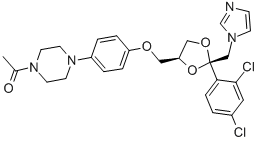
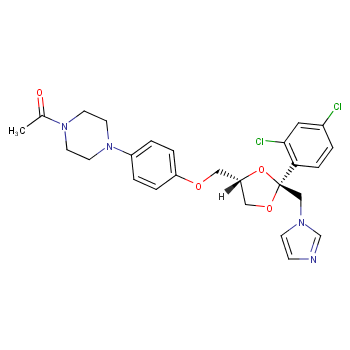
Ketoconazole, with the chemical formula C26H28Cl2N4O4 and CAS number 65277-42-1, is a potent antifungal agent commonly used to treat fungal infections, particularly those affecting the skin and scalp. It works by inhibiting the synthesis of ergosterol, a vital component of fungal cell membranes, and is available in various forms such as topical creams, shampoos, and oral tablets.
Triamcinolone, with the chemical formula C21H27FO6 and CAS number 124-94-7, is a corticosteroid that helps reduce inflammation and treat a variety of conditions, such as eczema, psoriasis, and skin allergies. It functions by suppressing the immune response and inflammation and is available in several formulations, including topical creams, ointments, and intramuscular injections.
Ketoconazole and Triamcinolone are both commonly used in dermatology but serve vastly different purposes. Ketoconazole is primarily used to treat fungal infections, while Triamcinolone is used for inflammatory skin conditions. Despite their differences in primary applications, both medications offer important benefits in the management of skin disorders.


Both Ketoconazole and Triamcinolone are synthesized through complex chemical processes involving multiple steps. Ketoconazole’s synthesis emphasizes the formation of its imidazole ring structure, which is crucial for its antifungal activity, while Triamcinolone's synthesis focuses on enhancing its anti-inflammatory potency through the introduction of a fluorine atom.
Both Ketoconazole and Triamcinolone are widely utilized in the field of dermatology, though they serve distinct therapeutic purposes. Ketoconazole is primarily an antifungal agent, while Triamcinolone is a corticosteroid that is mainly prescribed for inflammatory skin conditions. Despite their different mechanisms of action, both medications are integral in treating a range of dermatological disorders, but the specific condition being treated often determines which medication is most appropriate.

Ketoconazole is widely regarded as an effective treatment for various fungal skin infections, including athlete’s foot, ringworm, and dandruff. When applied as a topical cream, Ketoconazole works by inhibiting the growth of fungi, effectively eliminating the pathogen responsible for the infection. Its mode of action involves interfering with the fungal cell membrane, leading to the disruption of fungal growth and replication. Because of its potent antifungal properties, Ketoconazole is often the first-line treatment for many superficial fungal infections. Most users begin to notice a reduction in symptoms, such as itching, scaling, and redness, within a few days of use, with complete resolution often following within two weeks of consistent application.
A significant advantage of Ketoconazole is its relatively low incidence of side effects, especially when used topically. As it is not absorbed into the bloodstream in significant amounts, the systemic effects are minimal. This makes Ketoconazole an excellent option for individuals with sensitive skin or those who prefer localized treatment to avoid the adverse effects of oral medications. The most common side effects include mild skin irritation or dryness at the site of application, which typically resolves with continued use. Ketoconazole is considered safe for adults; however, its safety in children has not been established, and it is generally not recommended for pediatric use unless advised by a healthcare provider.
Triamcinolone, on the other hand, is a corticosteroid commonly prescribed for inflammatory skin conditions such as eczema, psoriasis, and various allergic skin reactions. It works by reducing the inflammatory response in the skin, effectively alleviating symptoms such as swelling, redness, and itching. Triamcinolone is available in a variety of formulations, including creams, ointments, and lotions, making it versatile for use across different areas of the body, from larger areas to more sensitive skin. Its anti-inflammatory properties also extend to conditions like contact dermatitis, where it helps to control flare-ups and prevent further irritation.
One of the primary advantages of Triamcinolone is its rapid action. Most patients experience noticeable relief from their symptoms within a few days of applying the medication, which can significantly improve the quality of life for those suffering from chronic or acute inflammatory conditions. However, Triamcinolone must be used with caution due to the risk of skin thinning and other side effects if used for prolonged periods. Long-term or excessive use of corticosteroids can lead to thinning of the skin, stretch marks, and increased susceptibility to skin infections. For this reason, Triamcinolone is typically prescribed for short-term use or under strict medical supervision. While it is effective for both adults and children, special care must be taken when prescribing it to pediatric patients. Children may absorb more of the medication through their skin, which could increase the risk of systemic side effects such as growth suppression or adrenal suppression.
In summary, Ketoconazole is most effective for treating fungal skin infections, offering minimal side effects when applied topically. It is especially beneficial for individuals seeking a topical solution for conditions like athlete’s foot or ringworm. On the other hand, Triamcinolone is ideal for managing inflammatory skin conditions such as eczema and psoriasis. Its rapid effect in reducing inflammation makes it an essential medication in dermatology, though it should be used for short durations to minimize potential side effects.
| Side Effect |
Ketoconazole |
Triamcinolone |
|---|---|---|
| Skin Irritation | Rare, may cause mild burning or stinging | Possible, may cause itching or burning |
| Systemic Absorption | Unlikely with topical use | Possible, especially in children or with prolonged use |
| Long-Term Use Issues | Not applicable, short-term use only | Risk of skin thinning with prolonged use |
| Not Approved for Children | Yes, not approved for pediatric use | Generally safe for children with proper guidance |
When selecting the right treatment for your skin concerns, it's essential to take into account the nature of your condition. Ketoconazole and Triamcinolone serve distinct purposes, each addressing different health needs. Ketoconazole is a powerful antifungal agent that works effectively against a range of fungal infections, including dandruff, athlete’s foot, and ringworm. If you are dealing with a fungal infection that affects the skin or scalp, Ketoconazole is likely the most suitable option. It targets the root cause of fungal infections, inhibiting the growth of fungi and promoting healing. This makes Ketoconazole a go-to treatment for those suffering from these persistent, sometimes recurrent fungal conditions.
In contrast, Triamcinolone, a corticosteroid, is commonly prescribed for conditions involving skin inflammation, such as eczema, psoriasis, or allergic skin reactions. Its anti-inflammatory properties help reduce redness, swelling, and itching, providing quick relief for individuals suffering from inflammatory skin conditions. Triamcinolone works by suppressing the immune response that leads to inflammation, making it an ideal choice for managing flare-ups associated with these conditions. For patients with chronic skin conditions that cause significant discomfort or visible skin changes, Triamcinolone may be more effective in managing symptoms and improving the quality of life. However, it’s important to note that corticosteroids like Triamcinolone are typically recommended for short-term use to avoid side effects such as skin thinning.
Ultimately, the best choice between Ketoconazole and Triamcinolone will depend on your specific health condition. If you are primarily dealing with fungal infections, Ketoconazole is the superior choice due to its potent antifungal properties and effectiveness against a variety of fungal strains. It is generally well-tolerated and poses fewer risks when used as directed. On the other hand, if your primary concern is skin inflammation or conditions like eczema and psoriasis, Triamcinolone may be the more appropriate treatment due to its powerful anti-inflammatory effects that can quickly alleviate the discomfort associated with these conditions.
*For optimal results and to ensure that you are using the appropriate treatment for your specific health condition, it is highly recommended to consult with a healthcare professional. Your doctor can help you determine which medication is best suited to your needs, taking into consideration any underlying medical conditions and potential contraindications. They can also guide you on the correct dosage and duration of treatment to minimize the risk of side effects and ensure a safe and effective outcome.
If you're looking to purchase these compounds, Guidechem is your go-to platform for sourcing high-quality raw materials and reliable chemical compounds suppliers. With our extensive global network, we connect you to a wide range of Ketoconazole suppliers and Triamcinolone suppliers, ensuring you find the right products to meet your specific research or production requirements. Whether you're in pharmaceuticals, dermatology, or other industries, Guidechem simplifies the sourcing process, offering verified supplier information, competitive pricing, and seamless communication.
[1]The Mechanisms of Ketoconazole Action in Fungal Infections by A. D. Smith.
[2]Triamcinolone: A Comprehensive Review of Its Dermatologic Uses by L. M. Jansen.
[3]Comparative Study of Topical Corticosteroids in Dermatology Clinics.
[4]Fungal Skin Infections: Current Treatment Approaches in Journal of Clinical Dermatology.
 |
 |
 |
 |
 |
 |
 EN
EN
 Agricultural News
 Food News
 Industrial News
 Cosmetic News
 Pharmaceutical News
 Science News

 15YRS
15YRS

