L-Carnitine, with the chemical formula C7H15NO3 and CAS number 406-76-8, is a naturally occurring compound often used as a dietary supplement to support fat metabolism and increase mental clarity.
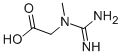
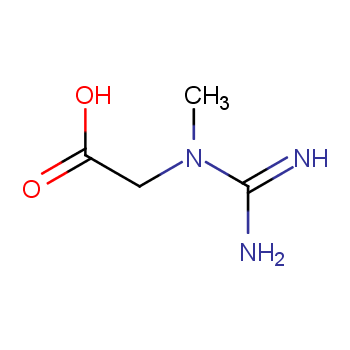
Creatine, with the chemical formula C4H9N3O2 and CAS number 57-00-1, is an amino acid derivative that is primarily used to enhance muscle performance, strength, and power during high-intensity physical activities.
L-Carnitine and Creatine are both amino acids–the building blocks of protein. Despite their shared classification, they have distinct properties and applications. L-Carnitine is primarily used for improving fat metabolism and cognitive function, while Creatine is widely recognized for boosting muscle performance and strength.


Both L-Carnitine and Creatine are naturally synthesized in the body but are also available as supplements. Their synthesis relies on different amino acids and vitamins, reflecting their distinct biological roles.
Both L-Carnitine and Creatine are popular dietary supplements, each offering unique benefits that cater to different fitness goals and physical needs. Understanding the distinct applications of each can help individuals choose the right supplement based on their health objectives, whether they aim to enhance fat metabolism, cognitive function, or athletic performance.

L-Carnitine is best known for its role in fat metabolism. It helps facilitate the transport of fatty acids into the mitochondria, the cell's energy powerhouse, where they are burned for energy. This process is crucial for individuals looking to improve their body’s fat-burning capacity and support weight management. L-Carnitine supplementation is particularly effective for individuals engaged in aerobic activities such as running, cycling, or swimming, as it helps increase fat oxidation during prolonged exercise. This mechanism allows for more efficient energy production and contributes to improved endurance over time.
Beyond its metabolic benefits, L-Carnitine also offers cognitive benefits, which is why it's often used by individuals looking to enhance mental focus, memory, and clarity. Acetyl L-Carnitine, a form of L-Carnitine that crosses the blood-brain barrier more easily, is particularly renowned for its cognitive-enhancing properties. Research suggests that Acetyl L-Carnitine supplementation may help improve attention, mental clarity, and reduce brain fog, making it a useful supplement for students, professionals, or anyone engaged in mentally demanding tasks. Furthermore, studies have shown that L-Carnitine may have a positive impact on mood and stress levels, offering potential benefits for individuals experiencing chronic stress or those managing age-related cognitive decline.
Creatine is one of the most extensively studied and widely used performance supplements, particularly for improving muscle strength and overall exercise performance. It works by increasing the availability of ATP (adenosine triphosphate), the primary energy source for muscle contractions. By replenishing ATP stores, Creatine enables muscles to perform at their peak during high-intensity activities like sprinting, weightlifting, or any form of explosive exertion. This results in enhanced strength, power, and endurance, especially in short bursts of effort.
For athletes and fitness enthusiasts, Creatine supplementation is invaluable for maximizing performance in activities that demand strength, power, and speed. This includes activities like resistance training, high-intensity interval training (HIIT), and sports that involve quick sprints or jumps, such as basketball, football, or soccer. Creatine is also known to aid in faster recovery times between sets and exercises, allowing athletes to train harder and longer without experiencing excessive fatigue. Unlike L-Carnitine, which supports fat metabolism and cognitive function, Creatine’s main focus is on muscle performance and anaerobic exercise.
One of the key advantages of Creatine is its versatility. It can be used by a wide range of individuals, from bodybuilders looking to increase muscle mass to recreational athletes aiming to improve their overall fitness level. Additionally, research supports its safety and efficacy, making it one of the most trusted and well-tolerated supplements on the market.
In summary, both L-Carnitine and Creatine provide distinct benefits, making them suitable for different fitness and health goals. L-Carnitine is ideal for those looking to enhance fat metabolism, support weight loss, and improve cognitive function. It is particularly beneficial for individuals engaged in aerobic exercise or those seeking mental clarity and focus. On the other hand, Creatine is unmatched when it comes to enhancing muscle strength, power, and recovery, making it the go-to supplement for those participating in high-intensity, short-duration activities like weightlifting or sprinting. Ultimately, the choice between L-Carnitine and Creatine depends on individual goals—whether it's improving fat loss, cognitive performance, or maximizing muscle performance during intense exercise.
| Side Effect |
L-Carnitine |
Creatine |
|---|---|---|
| Digestive Issues | Rare, may cause mild bloating or stomach discomfort | Can cause bloating or water retention |
| Dehydration | Rare, but can lead to dehydration if not taken with enough water | Can cause dehydration, especially during intense workouts |
| Kidney Strain | Rare, but should be used cautiously in those with kidney conditions | Risk of kidney strain with prolonged use or in individuals with kidney issues |
| Allergic Reactions | Rare, could include rash or itching | Rare, could include rash or stomach upset |
When choosing between L-carnitine and creatine, it's essential to consider your specific health goals and physical needs. L-carnitine is primarily known for its role in fat metabolism, helping to transport fatty acids into cells where they can be used for energy. This makes it a great option for individuals looking to improve endurance, aid in fat loss, or support cardiovascular health. It is generally well-tolerated and can be a good choice for those focusing on weight management or athletic performance in endurance-based activities.
On the other hand, creatine is more commonly used for improving strength, power, and muscle mass. It helps regenerate ATP, the body's primary energy source, during short bursts of intense activity like weightlifting or sprinting. Creatine has been extensively studied and is well-known for its effectiveness in building muscle and enhancing athletic performance in high-intensity sports. However, it can cause water retention in some individuals and may not be as beneficial for endurance athletes.
Ultimately, the decision between L-carnitine and creatine depends on your fitness goals. If your focus is on endurance and fat burning, L-carnitine is the superior choice. However, if you're aiming to enhance strength, power, or muscle mass, creatine is the better option. Both supplements have their place in a balanced fitness routine, but aligning them with your specific needs will ensure the most effective results.
*For optimal results, it is highly recommended to consult with your healthcare provider or a nutrition expert before starting any new supplementation regimen. A healthcare professional can help you determine the most suitable dosage, timing, and form of L-carnitine or creatine based on your unique health needs, fitness goals, and any underlying medical conditions.
If you're looking to purchase these supplements, Guidechem offers a reliable platform to source high-quality raw materials and verified suppliers. With a global network, Guidechem connects you to top suppliers of L-carnitine suppliers and creatine suppliers, ensuring that you receive the best products to support your fitness and health journey. Whether you're an athlete, fitness enthusiast, or involved in research, Guidechem streamlines the sourcing process with competitive pricing and trusted suppliers.
|


 6YRS
6YRS