-
We detected your language preference as English. Would you like to switch to the English version for a better experience?
Switch to English
Stay here


Magnesium Citrate, with the chemical formula C12H10Mg3O14 and CAS number 7779-25-1, is a popular magnesium supplement known for its high bioavailability and effectiveness in increasing magnesium levels in the body. It is commonly used to treat magnesium deficiency and aid digestive health.
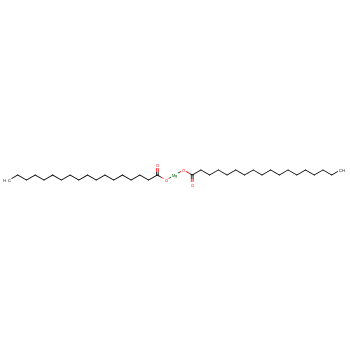
Magnesium Stearate, with the chemical formula Mg(C18H35O2)2 and CAS number 557-04-0, is a magnesium salt derived from stearic acid. It is primarily used in pharmaceutical and cosmetic industries as a flow agent, bulking agent, and anti-caking agent to ensure consistency in formulations.
Magnesium Citrate and Magnesium Stearate serve distinct purposes—Magnesium Citrate is primarily a dietary supplement, while Magnesium Stearate is an excipient used in manufacturing medications and cosmetics. Despite both being magnesium compounds, their applications, benefits, and structural characteristics differ significantly.


Although both compounds involve magnesium ions, their synthesis methods highlight their unique applications. Magnesium Citrate is water-soluble and used primarily in health applications, while Magnesium Stearate, being fat-soluble, serves as a manufacturing aid in various industries.
Magnesium compounds play diverse roles across various industries, ranging from healthcare and pharmaceuticals to cosmetics and food production. Magnesium citrate and magnesium stearate are two prominent forms of magnesium, each serving distinct purposes and applications. The application of magnesium stearate vs citrate will be described in detail next.

Magnesium citrate is widely recognized as a highly bioavailable magnesium supplement. Its primary use is to address magnesium deficiency, a condition associated with symptoms such as muscle cramps, fatigue, and irregular heart rhythms. This compound is particularly valued for its superior absorption rate in the digestive system, making it an effective option for individuals with low magnesium levels.
In addition to its role in supplementation, magnesium citrate is often used as a mild laxative to relieve occasional constipation. Its ability to draw water into the intestines promotes bowel movements, making it a preferred choice for individuals with digestive issues. Furthermore, magnesium citrate is sometimes employed in pre-procedural bowel preparations in medical settings, ensuring the digestive tract is cleared before diagnostic examinations.
Magnesium citrate also contributes to bone and cardiovascular health. By maintaining proper magnesium levels, it supports bone density and helps regulate blood pressure. It is a critical component for individuals at risk of osteoporosis or hypertension, making it an essential supplement in overall wellness routines.

Magnesium stearate is a versatile compound primarily used in the pharmaceutical and cosmetic industries. In pharmaceuticals, it acts as a "flow agent," preventing ingredients in capsules or tablets from clumping together. This ensures consistent quality and performance of medications. Additionally, magnesium stearate forms a protective barrier between the drug and the manufacturing equipment, reducing friction and wear during production processes.
Another vital function of magnesium stearate in pharmaceuticals is its ability to regulate the breakdown and absorption of drugs in the gastrointestinal tract. By slowing down the absorption process, it ensures that medications are delivered effectively to the targeted areas of the bowel. This controlled-release mechanism enhances the efficacy and predictability of drug formulations.
In the cosmetics industry, magnesium stearate serves as an anti-caking agent, improving the texture and consistency of powdered and pressed products like foundations and eyeshadows. It also acts as a bulking agent, giving body to cosmetic formulations, and as a colorant to enhance visual appeal. Despite its widespread use, magnesium stearate is considered a low-risk ingredient, although research on its long-term effects remains limited.
In conclusion, magnesium citrate and magnesium stearate offer unique advantages tailored to specific applications. Magnesium citrate excels in health and wellness, supporting magnesium supplementation and digestive health, while magnesium stearate is indispensable in pharmaceuticals and cosmetics for its functional and stabilizing properties.
| Drawback |
Magnesium Citrate |
Magnesium Stearate |
|---|---|---|
| Gastrointestinal Discomfort | Can cause diarrhea or cramps in sensitive individuals | None reported |
| Allergic Reactions | Rare, may include rash or swelling | May cause mild irritation in some individuals |
| Limited Applications | Primarily restricted to dietary and health uses | Not suitable for dietary supplementation |
If you're looking to purchase these compounds, Guidechem is your go-to platform for sourcing high-quality raw materials and reliable suppliers. With our extensive global network, we connect you to a wide range of Magnesium Citrate suppliers and Magnesium Stearate suppliers, ensuring you find the right products to meet your specific research or production requirements. Whether you're in pharmaceuticals, food additives, or other industries, Guidechem simplifies the sourcing process, offering verified supplier information, competitive pricing, and seamless communication.
[1]Magnesium in Health and Disease by R. K. Gupta.
[2]Industrial Applications of Magnesium Stearate in Journal of Pharmaceutical Sciences.
[4]Cosmetic Science: Ingredients and Applications by S. L. Andrews.
 |
|
 |
 |
 |
 EN
EN
 Agricultural News
 Food News
 Industrial News
 Cosmetic News
 Pharmaceutical News
 Science News

 3YRS
3YRS

