-
We detected your language preference as English. Would you like to switch to the English version for a better experience?
Switch to English
Stay here


Nicotinamide Adenine Dinucleotide (NAD+) and Nicotinamide Riboside (NR) are frequently confused in procurement and formulation projects because both participate in cellular NAD+ metabolism. However, their molecular structures, transport mechanisms, stability profiles, and formulation suitability differ substantially. This technical guide compares NAD+, NR, and NMN from biochemical, pharmacokinetic, and industrial formulation perspectives to help R&D teams and sourcing managers make evidence-based decisions.

The short answer is no. Nicotinamide Riboside (NR) and Nicotinamide Adenine Dinucleotide (NAD+) belong to different molecular classes despite sharing a common role within the NAD+ salvage pathway.
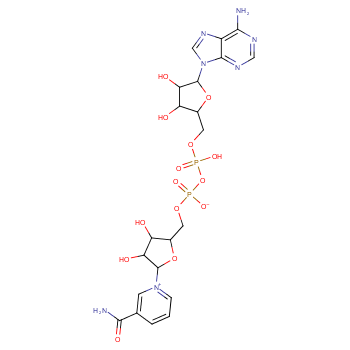
Nicotinamide Adenine Dinucleotide (also commonly referred to as Niacinamide Adenine Dinucleotide in commercial procurement terminology) is a fully assembled dinucleotide coenzyme that directly participates in cellular oxidation-reduction reactions. Its molecular formula is C21H27N7O14P2, molecular weight is approximately 663.43 g/mol, and the corresponding CAS number is 53-84-9.
In contrast, Nicotinamide Riboside (CAS 1341-23-7) is a nucleoside precursor with a molecular weight of approximately 255.25 g/mol. Structurally, NR lacks the adenosine monophosphate (AMP) moiety present in NAD+, making it a significantly smaller molecule that serves as a biosynthetic precursor rather than an active redox coenzyme.
For procurement teams, confusing these materials may lead to specification mismatches, particularly when sourcing pharmaceutical-grade cofactors versus dietary supplement intermediates. Verification by CAS number remains the most reliable approach for material identification.
NAD+ functions as one of the most important electron carriers in biological systems. During glycolysis and the tricarboxylic acid (TCA) cycle, NAD+ accepts two electrons and one proton, generating NADH. This conversion stores reducing equivalents that later fuel oxidative phosphorylation within mitochondria.
In healthy mammalian cells, the NAD+/NADH ratio typically ranges from 60:1 to more than 700:1 depending on tissue type and metabolic state. Higher redox ratios support mitochondrial respiration, ATP synthesis, and metabolic flexibility.
Beyond energy metabolism, NAD+ serves as a consumable substrate for signaling enzymes. Sirtuin deacetylases (SIRT1-SIRT7) and Poly(ADP-ribose) Polymerases (PARPs) cleave NAD+ during enzymatic activity, releasing nicotinamide and ADP-ribose derivatives. Consequently, cellular NAD+ pools continuously undergo synthesis, utilization, and recycling.
This constant turnover explains why NAD+ replenishment has become a central research focus in aging biology, metabolic disease studies, neurodegeneration research, and mitochondrial dysfunction models.
The principal limitation of exogenous NAD+ supplementation is its size and charge. At approximately 663.43 g/mol, NAD+ is a highly polar dinucleotide that exhibits poor passive membrane permeability. NR, by contrast, possesses a molecular weight of only 255.25 g/mol and can utilize equilibrative nucleoside transporters (ENTs) for cellular entry.
Recent metabolic tracing studies demonstrate that extracellular NAD+ is frequently degraded before meaningful intracellular uptake occurs. Enzymes such as CD38 and ENPP1 hydrolyze NAD+ into smaller intermediates including NMN, NR, nicotinamide, and ADP-ribose derivatives. Consequently, many tissues ultimately rely on precursor salvage pathways rather than direct NAD+ transport.
Another common misconception is that NAD+ and NMN are interchangeable. Nicotinamide Mononucleotide (NMN; CAS 1094-61-7; molecular weight approximately 334.22 g/mol) occupies an intermediate position between NR and NAD+ within the salvage pathway.
The canonical pathway proceeds as follows:
NR → NMN → NAD+
NR is phosphorylated by Nicotinamide Riboside Kinases (NRKs) to form NMN. NMN is subsequently converted into NAD+ by Nicotinamide Mononucleotide Adenylyltransferases (NMNATs).
Transport biology further differentiates these compounds. NR primarily utilizes equilibrative nucleoside transporters (ENTs), while emerging evidence suggests NMN may employ transporter systems including SLC12A8 in certain tissues, particularly intestinal epithelium. Tissue-specific transporter expression can significantly influence formulation performance and target-organ delivery.
For industrial formulation teams, NR chloride generally offers the most favorable combination of stability, handling properties, and encapsulation compatibility. NAD+ free acid products typically require tighter moisture control, cold-chain logistics, and lyophilized packaging formats.
Expert Commentary: The industry increasingly recognizes that transporter biology is as important as molecular potency. During supplier qualification, R&D teams should evaluate not only assay purity (≥98%) but also crystal form, residual solvent profile, hygroscopicity, and accelerated stability data at 40°C/75% RH. These parameters often determine commercial success more than theoretical biochemical activity.
The answer depends entirely on the intended application.
For injectable and analytical laboratory systems, NAD+ remains indispensable because it directly participates in enzyme-catalyzed redox reactions. Pharmaceutical and research-grade material should ideally meet ≥98% purity specifications and be supplied as lyophilized powder under controlled storage conditions.
For oral nutraceuticals, NR and NMN generally provide superior pharmacokinetic profiles because they survive gastrointestinal transit more effectively and exploit endogenous NAD+ salvage pathways.
For topical anti-aging formulations, molecular size, pH compatibility, and moisture sensitivity become decisive. NR-based systems typically exhibit better formulation flexibility within cosmetic pH ranges of approximately 6.0-7.0.
As of 2026, the global longevity ingredient market continues to prioritize precursor-based NAD+ enhancement strategies. Consequently, demand growth remains strongest for pharmaceutical-grade NR, NR chloride, and NMN ingredients, while NAD+ demand remains concentrated in research reagents, infusion applications, and specialty biotechnology markets.
FAQs
Q1: Is Nicotinamide Riboside the same molecule as NAD+?
No. NR is a nucleoside precursor, whereas NAD+ is a fully assembled dinucleotide coenzyme. NR must be converted through the salvage pathway before contributing to intracellular NAD+ pools.
Q2: Why don't formulators simply add NAD+ directly into oral supplements?
Due to its large molecular weight, charged structure, and susceptibility to extracellular degradation, orally administered NAD+ demonstrates relatively poor bioavailability compared with NR or NMN.
Q3: Which ingredient is more stable for commercial manufacturing?
NR chloride is generally considered one of the most manufacturing-friendly NAD+ precursors because of its superior solid-state stability and lower moisture sensitivity compared with NAD+ free acid.
Q4: Is NMN a direct substitute for NAD+?
No. NMN functions as an intermediate within the NAD+ biosynthetic pathway. While it may effectively elevate intracellular NAD+ levels, it does not directly replace NAD+ in biochemical assays requiring active cofactors.
References
[1] Cantó C., Houtkooper R.H., Pirinen E., et al. The NAD+ precursor nicotinamide riboside enhances oxidative metabolism and protects against high-fat diet-induced obesity. Cell Metabolism, 2012, 15(6): 838–847.
[2] Covarrubias A.J., Perrone R., Grozio A., Verdin E. NAD+ metabolism and its roles in cellular processes during ageing. Nature Reviews Molecular Cell Biology, 2021, 22:119–141.
[3] Rajman L., Chwalek K., Sinclair D.A. Therapeutic potential of NAD-boosting molecules: the in vivo evidence. Cell Metabolism, 2018, 27(3):529–547.
[4] Grozio A., Mills K.F., Yoshino J., et al. Slc12a8 is a nicotinamide mononucleotide transporter. Nature Metabolism, 2019, 1:47–57.
[5] Sigma-Aldrich Technical Datasheet. β-Nicotinamide Adenine Dinucleotide (CAS 53-84-9), Molecular Weight 663.43 g/mol.
[6] CAS Registry Database. Nicotinamide Adenine Dinucleotide (CAS 53-84-9); Nicotinamide Riboside (CAS 1341-23-7); Nicotinamide Mononucleotide (CAS 1094-61-7).
[7] ISO 17034:2016. General Requirements for the Competence of Reference Material Producers.
Looking for high-purity NAD+, Nicotinamide Riboside (NR), NMN, or custom-grade longevity ingredients with complete technical documentation and global sourcing support? Guidechem connects buyers with verified manufacturers, GMP-compliant suppliers, and specialty biochemical producers worldwide.
Whether you are developing pharmaceutical reagents, dietary supplements, anti-aging formulations, or advanced metabolic research programs, our sourcing network helps identify the optimal grade, purity specification, and packaging solution for your application.
 |
 |
 |
 |
 EN
 Agricultural News
 Food News
 Industrial News
 Cosmetic News
 Pharmaceutical News
 Science News


 1YR


Expert Commentary: One of the most common formulation mistakes is assuming that raising extracellular NAD+ concentrations automatically increases intracellular NAD+ levels. In practice, cellular uptake, enzymatic degradation, transporter expression, and tissue distribution dominate efficacy outcomes. For most oral and cosmetic applications, precursor optimization often produces better intracellular NAD+ restoration than direct NAD+ loading.