
Nicotinamide adenine dinucleotide phosphate (NADP+) and its reduced form, NADPH, are coenzymes that play critical roles in a variety of metabolic processes within the body. These molecules are essential for the redox reactions that help regulate biological functions. NADP+ is the oxidized form, while NADPH is the reduced form, and both are involved in crucial biochemical pathways such as photosynthesis, biosynthesis of fatty acids, and cellular defense mechanisms.
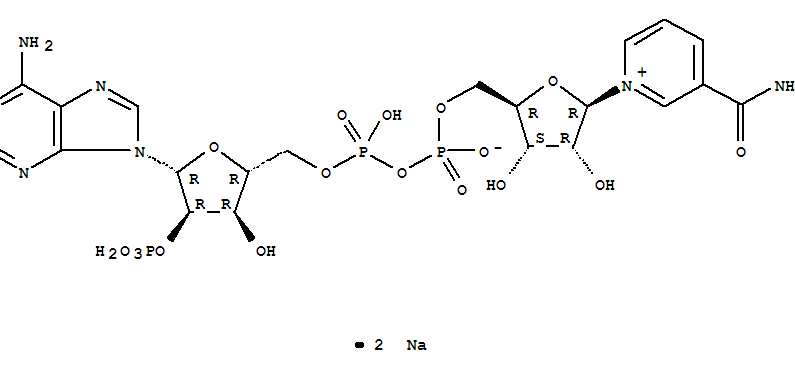
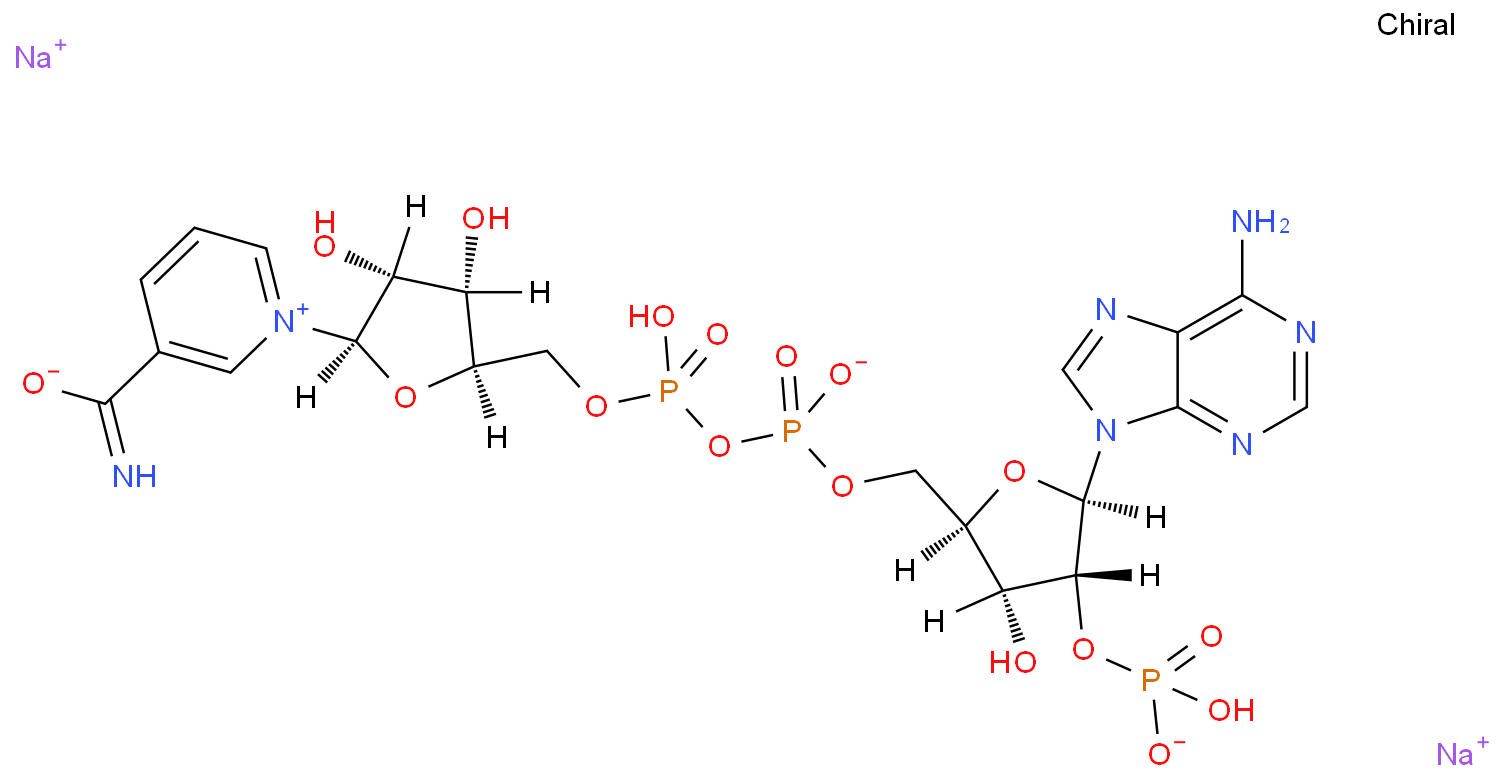
NADP, Disodium Salt, is the sodium salt derivative of NADP. It appears as a white to pale yellow amorphous powder. This compound is primarily utilized in biochemical research, including applications such as the quantitative analysis of glucose in glycogen and the detection of hexokinase. The structure of NADP, Disodium Salt is shown below:

The following article delves into the differences between NADP+ and NADPH, their applications, and their significance in both biological and industrial contexts.
NADP+ and NADPH are nucleotide derivatives that consist of a nicotinamide ring, an adenine ring, a phosphate group, and a ribose sugar backbone. The primary difference between NADP+ and NADPH lies in the presence of an additional hydrogen atom and an electron in NADPH. This structural distinction allows NADPH to act as an electron donor in reduction reactions, while NADP+ serves as an electron acceptor. This shift between NADP+ and NADPH is a key mechanism in regulating the cellular redox state.
The roles of NADP+ and NADPH extend far beyond simple biochemical reactions. Both coenzymes are involved in several critical metabolic processes, particularly in maintaining cellular energy balance and supporting enzymatic functions. Below, we explore their biological applications in greater detail.

NADP+ plays a crucial role in anabolic reactions, which are pathways that build molecules necessary for cell growth and function. One of the primary functions of NADP+ is to accept electrons during oxidative reactions in the pentose phosphate pathway, a metabolic pathway that generates nucleotides and other essential biomolecules. NADP+ also plays a role in the synthesis of lipids, which are vital for cellular membranes and energy storage. In this capacity, NADP+ is indispensable for maintaining cellular integrity and for metabolic processes like the synthesis of steroid hormones and fatty acids.
Aside from its role in lipid biosynthesis, NADP+ is involved in the regulation of the cell cycle and DNA repair. During these processes, NADP+ helps to control oxidative stress, acting as a key mediator in redox reactions that repair DNA damage. Its ability to transfer electrons helps maintain a healthy balance between oxidative and reductive processes in the cell, which is crucial for preventing cellular damage and maintaining normal function.
NADPH is a critical electron donor in reductive biosynthetic processes. It provides the necessary electrons to various enzymes in the body, such as reductases and oxidases, which are essential for reducing reactive oxygen species (ROS) during cellular metabolism. In this role, NADPH is integral to the antioxidant defense mechanisms that protect cells from oxidative damage. This includes the reduction of glutathione, an important antioxidant in the body that neutralizes ROS and prevents oxidative stress.
Moreover, NADPH is crucial in the synthesis of fatty acids, cholesterol, and nucleic acids, processes that require reduction reactions for proper function. These biosynthetic processes are essential for cell growth and division, and the availability of NADPH helps to fuel these processes. NADPH is also involved in immune system function, supporting the activity of immune cells such as neutrophils and macrophages, which rely on NADPH to generate superoxide radicals for pathogen destruction.
Aside from their biological functions, NADP+ and NADPH have applications in several industrial and research-based settings. One such application is in the field of biocatalysis, where NADP+ and NADPH are used as cofactors for enzymatic reactions in green chemistry. In these reactions, the coenzymes serve to catalyze important chemical transformations in an environmentally friendly manner, reducing the need for harmful solvents and reagents. This makes NADP+ and NADPH valuable tools in sustainable chemical manufacturing.
Another application is in biotechnology, where NADPH is utilized in the production of biofuels. NADPH-driven reductases are employed in microbial fermentation processes to enhance the conversion of raw materials into fuel. This process contributes to the development of renewable energy sources and highlights the importance of NADPH in advancing clean energy technologies.
Although NADP+ and NADPH are essential for many cellular functions, their imbalances or overactivity can lead to adverse effects. Excessive NADPH in cells may promote excessive reduction of reactive oxygen species, which in turn could lead to the formation of more harmful byproducts. This dysregulation of redox reactions can contribute to pathological conditions, including cancer and neurodegenerative diseases.
Conversely, insufficient NADPH levels can impair cellular antioxidant defenses, leaving cells vulnerable to oxidative stress. This deficiency can lead to complications such as metabolic disorders and weakened immune responses. In certain cases, imbalance in NADP+/NADPH levels has been linked to inflammatory diseases and conditions related to mitochondrial dysfunction.
If you're looking to purchase these compounds, Guidechem is your go-to platform for sourcing high-quality raw materials and reliable suppliers. With our extensive global network, we connect you to a wide range of NADP, Disodium Salt suppliers, ensuring you find the right products to meet your specific research or production requirements. Whether you're in pharmaceuticals, food additives, or other industries, Guidechem simplifies the sourcing process, offering verified supplier information, competitive pricing, and seamless communication.
[1]Biochemistry of Redox Reactions in Cellular Metabolism by R. H. Knight.
[2]The Role of NADPH in Antioxidant Defense by S. R. Johnson.
[3]Enzymatic Processes in Biotechnology Using NADPH in Journal of Green Chemistry.
[4]Metabolic Regulation by NADP+/NADPH in Metabolic Reviews.
[5]Applications of NADP+ in Biocatalysis in Biochemical Engineering.
|
 |
 |
 |


 13YRS
13YRS

