-
We detected your language preference as English. Would you like to switch to the English version for a better experience?
Switch to English
Stay here


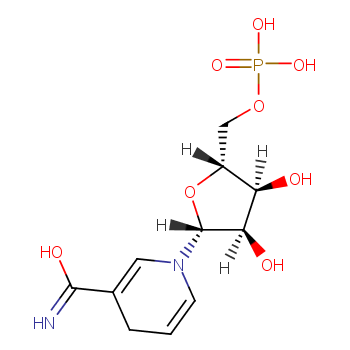
NMNH (Dihydronicotinamide Mononucleotide), with the chemical formula C11H17N2O8P and CAS number 4229-56-5, is a reduced form of nicotinamide mononucleotide (NMN) and plays an essential role in the metabolism of NAD+ (Nicotinamide adenine dinucleotide).
NMN (Nicotinamide Mononucleotide), with the chemical formula C11H15N2O8P and CAS number 1094-61-7, is a naturally occurring compound found in all living cells, which plays a crucial role in producing NAD+—an essential coenzyme involved in cellular metabolism and energy production.
What is the difference between nmn and nmnh. NMNH and NMN are closely related compounds that are essential for NAD+ synthesis. The key difference between nmn and nmnh lies in their oxidative status-NMNH is the reduced form of NMN, whereas NMN is the oxidized version. Differences in their structures and roles make them suitable for a variety of biochemical functions, especially in energy metabolism and cellular repair processes.


Both NMNH and NMN are crucial in maintaining cellular NAD+ levels, but their synthesis differs slightly based on their oxidation states. NMNH, being the reduced form of NMN, plays a pivotal role in NAD+ regeneration and functions as an electron donor during redox reactions.
NMNH and NMN both contribute significantly to cellular energy metabolism and repair mechanisms by supporting NAD+ levels. The difference between NMNH and NMN mainly lies in their biochemical roles—NMNH plays a critical role in the regeneration of NAD+, while NMN is involved in its synthesis.

As a reduced form of NMN, NMNH directly contributes to maintaining high NAD+ levels within cells, particularly in tissues that are highly metabolic, such as muscles and the brain. By participating in redox reactions, NMNH helps in the regeneration of NAD+ from its oxidized form, ensuring proper cellular function. This makes it highly beneficial in supporting the body’s energy metabolism, especially under conditions of stress or intense physical exertion.
One of the primary benefits of NMNH is its potential to improve mitochondrial function. Mitochondria are the powerhouses of the cell, responsible for producing energy, and their efficiency often declines with age. NMNH can help to rejuvenate mitochondrial activity, improve energy production, and support overall cellular health. Additionally, NMNH has shown promise in promoting tissue repair, making it a valuable component in regenerative medicine.
Nicotinamide Mononucleotide (NMN) is widely recognized for its role in boosting NAD+ levels, which have been linked to various health benefits, including increased longevity, enhanced cognitive function, and improved cardiovascular health. By supplementing NMN, individuals can promote the biosynthesis of NAD+, a crucial coenzyme that facilitates a variety of cellular processes, such as DNA repair, gene expression regulation, and cellular energy production.
One of the key benefits of NMN is its potential anti-aging effects. As we age, NAD+ levels naturally decline, leading to reduced cellular function and accelerated aging. By supplementing with NMN, it may be possible to slow the aging process, enhance metabolic function, and support the body’s natural repair systems. This makes NMN particularly beneficial for individuals seeking to maintain vitality and overall health as they age.
Moreover, NMN has been shown to support cardiovascular health by improving blood vessel function and enhancing circulation. Its ability to boost NAD+ levels has been linked to reduced inflammation and better overall heart health, making it a promising compound for managing age-related cardiovascular issues.
In conclusion, NMNH and NMN both serve vital roles in maintaining NAD+ levels within the body, but they differ in their biochemical functions. NMNH is the reduced form of NMN and plays a critical role in NAD+ regeneration, supporting energy metabolism and mitochondrial function. On the other hand, NMN is primarily involved in NAD+ biosynthesis and has been linked to anti-aging benefits, improved cognitive function, and cardiovascular health. Both compounds are invaluable in maintaining cellular health, but their application depends on the specific metabolic needs of the individual.
| Drawback |
NMNH |
NMN |
|---|---|---|
| Bioavailability | Moderate, may not be as widely available in supplements | High, widely available in supplement form |
| Cost | Generally more expensive due to production complexity | Affordable and widely available |
| Research Support | Limited research, still under investigation for specific applications | Well-researched, with numerous studies supporting its benefits |
If you're looking to purchase these compounds, Guidechem is your go-to platform for sourcing high-quality raw materials and reliable suppliers. With our extensive global network, we connect you to a wide range of NMNH suppliers and NMN suppliers, ensuring you find the right products to meet your specific research or production requirements. Whether you're in pharmaceuticals, food additives, or other industries, Guidechem simplifies the sourcing process, offering verified supplier information, competitive pricing, and seamless communication.
[1] Longo, V. D., & Kennedy, B. K. (2019). “NAD+ and its role in aging.” Cell Metabolism, 30(4), 567-589.
[2] Zhang, H., et al. (2016). “Nicotinamide mononucleotide supplementation enhances aerobic capacity in the elderly.” Science, 352(6290), 1426-1432.
[3] Imai, S. I. (2020). “NAD+ and its impact on aging and disease.” Nature Reviews Molecular Cell Biology, 21(5), 313-329.
[4] https://en.wikipedia.org/wiki/Nicotinamide_mononucleotide
[5] https://en.wikipedia.org/wiki/Dihydronicotinamide_mononucleotide
|
 EN
EN
 Agricultural News
 Food News
 Industrial News
 Cosmetic News
 Pharmaceutical News
 Science News