-
We detected your language preference as English. Would you like to switch to the English version for a better experience?
Switch to English
Stay here



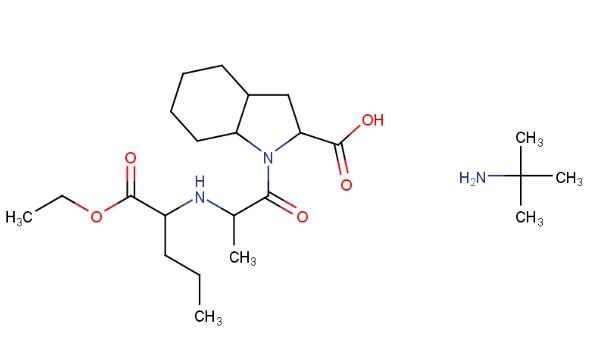
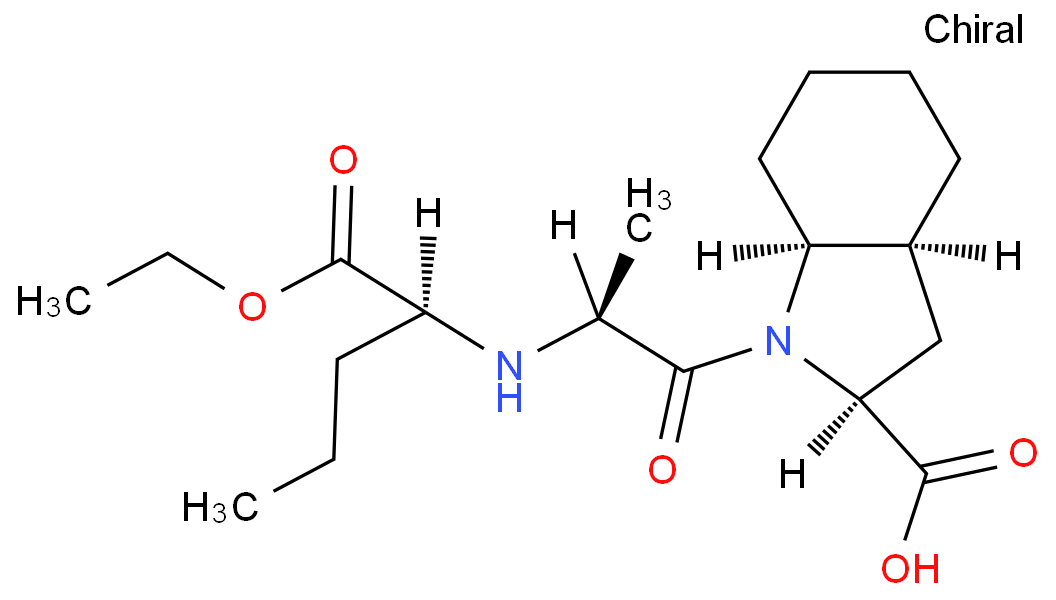
Perindopril is a third-generation non-sulfhydryl angiotensin-converting enzyme (ACE) inhibitor developed by Servier. It can dilate both large and small arteries, reduce blood volume, lower systemic vascular resistance, left atrial pressure, and pulmonary capillary wedge pressure, increase cardiac output and stroke volume, and enhance cardiac index without altering heart rate. This improves exercise tolerance, reduces left ventricular hypertrophy, and improves hemodynamics. The drug has a long duration of action, good tolerance, does not induce hyperglycemia, and has no adverse effects on lipids. Perindopril's inhibition of ACE is slower compared to other ACE inhibitors, with an inhibition rate exceeding 90%, starting to work within 1 hour, reaching peak pharmacological effect within 3–4 hours, and maintaining the maximal antihypertensive effect for up to 6 hours, with efficacy lasting for 24 hours.
Perindopril is considered one of the safest and most effective ACE inhibitors for treating hypertension. Long-term use is generally deemed safe, with outcomes often being more pronounced. However, prolonged use may affect kidney function in some cases. Therefore, regular blood tests are recommended to monitor kidney health.
The most common side effects are generally mild and occur at the beginning of treatment, including:
Less common side effects include:
Reversible increases in blood urea and creatinine may be observed, and some patients may experience proteinuria. Rare cases of angioedema and reductions in hemoglobin, red blood cells, and platelets have been reported.
Perindopril can cause severe side effects. Contact a doctor immediately if you experience:
Perindopril may be associated with erectile dysfunction. Hypertension itself can also lead to this issue due to reduced blood flow to the penis. If you experience erectile dysfunction while using Perindopril, consult your doctor promptly.
Assessing kidney function before and during treatment is crucial, especially for patients with renal artery hypertension. This is particularly important when considering surgery or anesthesia, as pre-existing kidney disease may affect surgical management.
Analysis of the PROGRESS trial showed that Perindopril significantly reduced cardiovascular events in patients with chronic kidney disease (CrCl < 60 ml/min), with a 30% reduction in incidence. Meta-analyses from 2016 and 2017 indicated that Perindopril not only reduced cardiovascular events but also slowed kidney function decline by 39% in patients with moderate to severe kidney disease and dialysis patients. A review in 2016 highlighted Perindopril’s protective effects in lowering blood pressure and reducing renal filtration pressure. Although ACE inhibitors may cause initial increases in serum creatinine levels, most patients return to baseline levels within a few weeks. Monitoring is recommended for advanced renal failure patients to minimize risks and maximize long-term benefits.
When used with tranquilizers or tricyclic antidepressants, Perindopril may increase the risk of hypotension. Additionally, Perindopril can raise serum lithium levels during lithium therapy.
Because renin-angiotensin blockers may cause excessive hypotension, leading to symptomatic hypotension, caution is required for patients with sodium or volume depletion. Close monitoring or temporary reduction of diuretics may be necessary to prevent this adverse effect. Potassium-sparing diuretics should be avoided with Perindopril to minimize the risk of hyperkalemia.
Alcohol can enhance the effects of Perindopril, leading to excessive blood pressure reduction, which may cause dizziness or lightheadedness. It is advisable to avoid alcohol during the initial stages of Perindopril use or after dose adjustments until you understand how the medication affects you. If you experience dizziness while on Perindopril, it is best to abstain from alcohol.
While taking Perindopril, avoid foods with medium to high potassium content to prevent elevated potassium levels in the blood. Do not use salt substitutes like Lo-Salt, which often contain high levels of potassium. Such substitutes can increase blood potassium levels when used with Perindopril. Unless specifically directed by a doctor, avoid using salt substitutes or potassium supplements while on Perindopril.
Can you eat bananas while taking Perindopril? ACE inhibitors, including Perindopril, are used primarily to lower blood pressure. However, consuming large amounts of bananas while taking these medications may raise potassium levels, increasing the risk of arrhythmias.

Perindopril may cause side effects such as dizziness, cough, and low blood pressure, with some patients experiencing more severe reactions. As individual responses to the medication may vary, consult a doctor before using Perindopril for personalized guidance and advice. Professional medical advice will help ensure safe use and effective management of potential side effects.
[1]Xia Fengping. Improvement of the synthesis process of perindopril[J]. Chemical Engineering Management, 2021, (17): 154-155. DOI: 10.19900/j.cnki.ISSN1008-4800.2021.17.074.
[2]https://en.wikipedia.org/wiki/Perindopril
[3]https://www.webmd.com/drugs/2/drug-11247/perindopril-erbumine-oral/details
[4]https://www.nhs.uk/medicines/perindopril/common-questions-about-perindopril/
[5]https://www.drugs.com/mtm/perindopril.html
[6]https://go.drugbank.com/drugs/DB00790
[7]https://academic.oup.com/ajh/article/18/S5/142S/232728
 |
 |
|
 |
 |
 |
 EN
EN
 Agricultural News
 Food News
 Industrial News
 Cosmetic News
 Pharmaceutical News
 Science News

 6YRS
6YRS

