Phosphatidylcholine, with the chemical formula C8H16NO4P and CAS number 8-47-9, is a major component of cell membranes and a critical source of choline in the body. It consists of a phosphate group, two fatty acids, and a choline molecule, and is commonly derived from lecithin. Phosphatidylcholine plays a crucial role in producing acetylcholine, a neurotransmitter vital for memory and brain function.
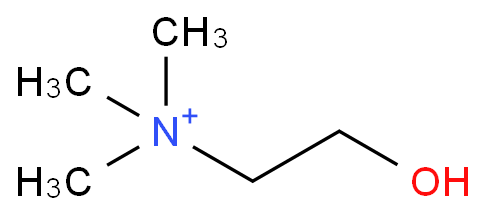
Choline, with the chemical formula (CH3)3NCH2CH2OH and CAS number 62-49-7, is an essential nutrient and a precursor to acetylcholine. It is critical in various bodily functions, including cell membrane structure and neurotransmitter synthesis. Choline is often derived from dietary sources such as soybeans or synthetically produced as Choline Bitartrate.
Phosphatidylcholine and choline are closely related, but they differ significantly in their chemical composition and biological functions. Phosphatidylcholine serves as a primary source of choline in the body, while choline itself is directly involved in the production of acetylcholine, which is essential for brain function, memory, and muscle control.

Both phosphatidylcholine and choline are vital to the body’s functioning, but they are synthesized differently. Phosphatidylcholine is synthesized through complex pathways involving various enzymes and intermediates, while choline can be directly obtained from food or synthesized from phosphatidylcholine.
Phosphatidylcholine and choline have numerous applications in both health and industry, contributing to various physiological functions, including memory enhancement, liver health, and cardiovascular function.

Phosphatidylcholine plays a vital role in brain function, as it contributes to the synthesis of acetylcholine, a neurotransmitter critical for memory, learning, and muscle control. This process helps maintain cognitive function and supports neural communication. Supplementing with phosphatidylcholine has been found beneficial, particularly for individuals experiencing cognitive decline, memory impairments, or conditions like Alzheimer's disease, where its support for brain health may help slow down neurodegeneration. Moreover, it aids liver health by facilitating the metabolism of fats, preventing fat buildup in the liver, and promoting its overall detoxification processes.
In the realm of skincare, phosphatidylcholine is widely used for its hydrating and membrane-protecting properties. By incorporating it into cosmetic formulations, it enhances the skin's barrier function, improves moisture retention, and protects against oxidative stress. Phosphatidylcholine also exhibits anti-inflammatory and skin-regenerating effects, making it a popular ingredient in treatments for skin damaged by environmental exposure, such as sunburn or pollution. Its ability to promote skin repair and rejuvenation helps restore a healthy complexion, making it a staple in modern skincare routines.
Choline is essential for the synthesis of acetylcholine, which plays a key role in muscle function, memory, and overall brain health. It is often used as a dietary supplement to support cognitive function, particularly in aging individuals or those with neurological conditions. Additionally, choline is vital for the formation of phosphatidylcholine, a critical component of cell membranes that supports cellular integrity and function.
Choline is a vital nutrient involved in the synthesis of sphingomyelin, a type of lipid that is essential for the integrity and function of cell membranes, particularly in the nervous system. Sphingomyelin plays a crucial role in maintaining the structure of neurons and supporting communication between brain cells. This function is especially important for cognitive processes such as memory, learning, and concentration. Choline’s role in brain health extends beyond cell membrane formation; it is a precursor to acetylcholine, a neurotransmitter essential for memory and attention. Its use as a supplement is beneficial for improving brain health, particularly for enhancing memory and focus in individuals experiencing cognitive decline.
In summary, phosphatidylcholine and choline are both essential for brain health and neurotransmitter synthesis. Phosphatidylcholine plays a more complex role, serving not only as a precursor for acetylcholine but also as a structural component in cell membranes and supporting liver function. Choline, while also a precursor for acetylcholine, is more directly involved in cellular processes and is vital for maintaining cell membrane integrity. Both compounds are crucial in maintaining healthy cognitive and bodily functions, and their use as supplements can support memory, brain health, and liver function.
| Side Effect |
Phosphatidylcholine |
Choline |
|---|---|---|
| Gastrointestinal Issues | Rare, may cause mild digestive discomfort | Common, may cause nausea or diarrhea in high doses |
| Low Blood Pressure | Unlikely to cause significant issues | Possible, especially at high doses |
| Allergic Reactions | Rare, may include rash or itching | Rare, may cause skin rash or irritation |
If you're looking to purchase these compounds, Guidechem is your go-to platform for sourcing high-quality raw materials and reliable suppliers. With our extensive global network, we connect you to a wide range of Choline suppliers, ensuring you find the right products to meet your specific research or production requirements. Whether you're in pharmaceuticals, food additives, or other industries, Guidechem simplifies the sourcing process, offering verified supplier information, competitive pricing, and seamless communication.
[1]The Role of Phosphatidylcholine in Brain Health by A. J. Carter.
[2]Choline and Its Effects on Cognitive Function by M. J. Hamilton.
[3]Phosphatidylcholine in Liver Health in Journal of Liver Research.
[4]Dietary Choline and Its Impact on Memory in Neurochemistry International.
|


 6YRS
6YRS