-
We detected your language preference as English. Would you like to switch to the English version for a better experience?
Switch to English
Stay here


Traditional small molecule inhibitors primarily work by inhibiting protein function, while TPD technology takes a different approach. It utilizes intracellular protein degradation systems, such as the proteasomal and lysosomal pathways, to specifically degrade pathogenic proteins, offering a new perspective and approach to disease treatment. This innovative technology not only enhances therapeutic efficacy but also broadens the scope of treatable diseases, bringing hope to targets traditionally considered "undruggable."
1. Evolution of TPD Technology
The development of TPD technology has progressed from the introduction of the concept to its gradual clarification (Figure 1).
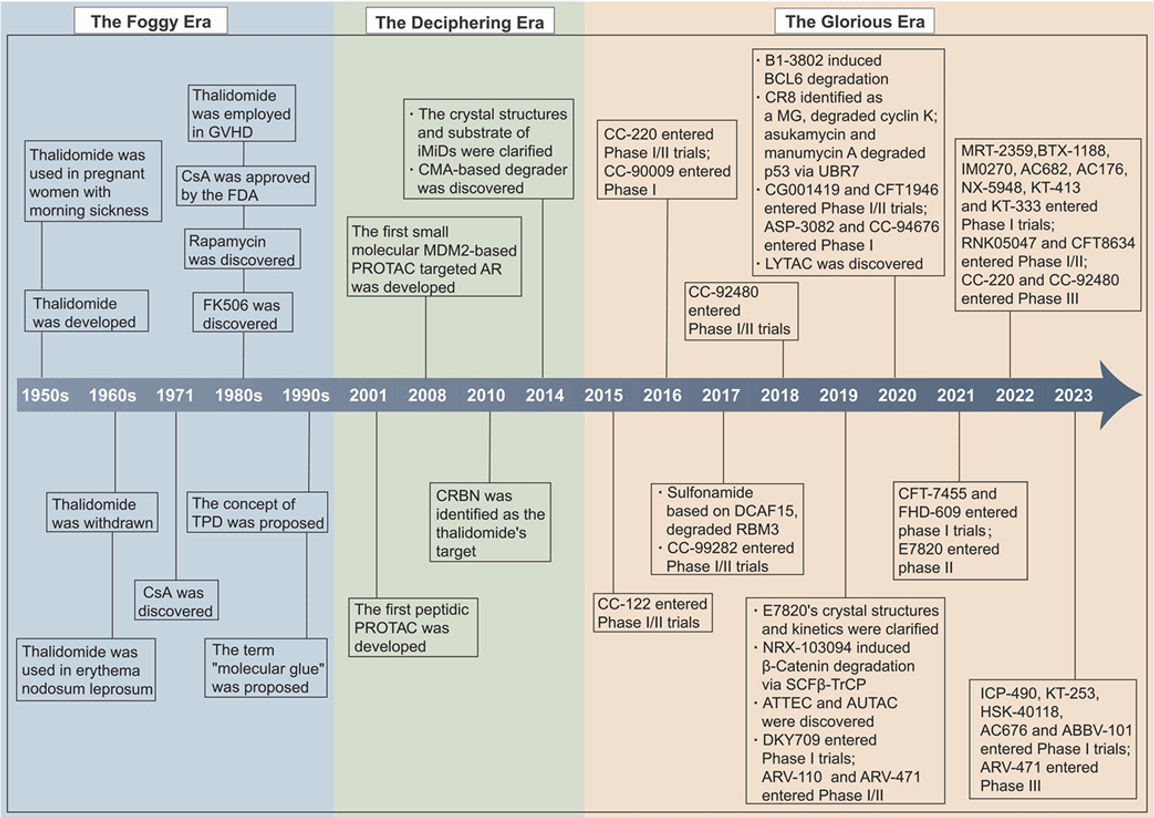
Figure 1. The evolution of TPD technology
2. Diverse Strategies in TPD Technology
Currently, TPD technology is mainly based on three protein degradation pathways: the ubiquitin-proteasome system (UPS), endolysosomal (EL) pathway, and autophagy pathway.
Some TPD technologies may involve multiple degradation pathways. For example, proteolysis-targeting antibodies (PROTABs) hijack the transmembrane E3 ligase ZNFR3 and may trigger targeted degradation through both UPS and EL pathways (Figure 2).

Figure 2. TPD technology illustration
In the field of TPD technology, various technical approaches exhibit unique characteristics and potential. Among them, UPS-based PROTAC technology is leading in current clinical research, developing rapidly. However, although EL and autophagy pathway-related technologies hold great promise, they are still in the stages of exploration and optimization.
Looking ahead, the trend of diversified development in TPD technology is becoming increasingly evident, especially with the in-depth exploration of autophagy and EL pathways. These advancements are expected to open new avenues for tackling many "undruggable" target proteins, thereby significantly expanding the boundaries of disease treatment.
As of now, protein degraders have made significant progress in clinical research. According to incomplete statistics, there are 36 protein degraders currently in clinical stages worldwide (Figure 3). The total number of protein degradation R&D pipeline projects worldwide has exceeded 1,000. In this field, China has been active, with nearly 80 companies or institutions involved, driving more than 380 R&D pipelines. Although most of these are still in the preclinical phase, 35 pipelines have entered clinical development.


Figure 3. Protein degraders in clinical stage
While all approved drugs and 90% of clinical drugs are concentrated in oncology, degraders have also made progress in other therapeutic areas, such as neurology and immunology. Currently, preclinical studies in neurology account for 11%, while immunology accounts for 6%. At the same time, bifunctional degraders (ARV-102, KT-474) and molecular glues (BMS-986419, MRT-6160) are also undergoing clinical trials.
Moreover, an increasing number of protein degradation pipelines indicate that traditionally "undruggable" targets (e.g., IKZF1/3, GSPT1, VAV1, WIZ, BCL6) are becoming more accessible (Figure 4). This shift marks the expanding application range of targeted protein degradation technology and brings new opportunities and challenges to drug development.


Figure 4. TPD expands to new target areas
As an emerging therapeutic strategy, TPD technology has shown encouraging preliminary clinical results. With its unique mechanism of action, it brings new hope to the treatment of many diseases. In early research and exploration, it demonstrated potential in addressing disease-related proteins, giving people hope for overcoming some hard-to-treat diseases.
However, we must be aware that TPD technology is not without challenges. It still faces issues such as safety, efficacy, and disease indications. Next-generation degrader technologies aim to overcome these limitations through innovations in ligands, pathways, delivery, and activation (Figure 5).

Figure 5. Description of next generation TPD technology
1. Ligand Innovation
New ligands for E3 ligases and target proteins (POIs) provide pathways to expand new targets and improve tissue specificity, thus enhancing the applicability and safety of diseases. While there are more than 600 human E3 ligases, nearly all current-generation degraders recruit the ubiquitously expressed Cereblon. Alternative E3 ligase recruiting domains, such as chaperone-mediated protein degradation (CHAMP) using HSP90 complex overexpressed in tumors, or tissue/tumor-specific E3 ligases, can limit TPD activity in cancer cells and reduce off-tissue effects.
Furthermore, alternative POI ligands can expand the range to more types of "undruggable" targets. For example, RNA-PROTACs use short oligonucleotides to degrade ribonucleoproteins. Preliminary results of a new E3 ligase ligand degrader (CHAMPRNK05047) are expected to be released by the end of 2024.
2. Pathway Innovation
Alternative pathways to the ubiquitin-proteasome system (UPS) can expand addressable targets and overcome E3 ligase resistance. Extracellular protein (MoDE) and lysosomal targeting chimeras (LYTAC) molecular degraders use the endosome-lysosome pathway, extending the range to extracellular proteins. Autophagy-targeting chimeras (AUTAC) use the autophagy-lysosome pathway, providing an E3 ligase-independent route for intracellular proteins and organelles. Although preclinical results are promising, early clinical translation has been mixed. For instance, MoDEBHV-1300 showed 60-80% preclinical degradation in mid-phase I results but degraded 37% at the highest dose.
3. Delivery Innovation
TPDs can leverage advances in degradation-antibody conjugates (Protac+ADC=DAC), nanotechnology (Nano-PROTACs), and click chemistry (CLIPTACs) to improve specificity and efficacy. DACs can recognize receptors expressed on target cells, Nano-PROTACs can respond to tumor-specific conditions, allowing focused delivery to cancer cells. CLIPTACs, using two smaller self-assembling fragments, can improve oral bioavailability, although they must assemble within cells to maintain cell permeability. DACs are particularly noteworthy, with nine currently in clinical research and BMS-986497 and ORM-5029 undergoing Phase I trials.
4. Activation Innovation
Targeted activation can control degradation in space and time, responding to light (PHOTAC), hypoxia (hypoxia-activated PROTACs), or additional POIs (trivalent PROTACs). However, these methods face practical limitations: limited light penetration restricts PHOTAC activation; naturally hypoxic tissues limit the specificity of hypoxia-activated PROTACs for tumors; and the extra volume may limit the oral bioavailability of trivalent PROTACs.
Looking ahead, although the TPD field still requires more clinical data, companies can respond by taking various measures, such as selecting the most suitable targets for degradation, developing ligands that can target currently "undruggable" proteins, and utilizing computational methods for degradation design/optimization. An increasing number of companies are advancing TPD technology through strategies like biotechnology acquisitions, joint development, and research collaborations, bringing new therapeutic hope to diseases with no current drug treatments.
[1]Zhong G, Chang X, Xie W, Zhou X. Targeted protein degradation: advances in drug discovery and clinical practice. Signal Transduct Target Ther. 2024 Nov 6;9(1):308. doi: 10.1038/s41392-024-02004-x. PMID: 39500878; PMCID: PMC11539257.
[2]Ding Y, Lu B. SnapShot: Targeted protein degradation. Cell. 2024 Nov 14;187(23):6784-6784.e1. doi: 10.1016/j.cell.2024.10.025. PMID: 39547212.
[3]Mullard A. Protein degraders push into novel target space. Nat Rev Drug Discov. 2024 Nov;23(11):799-802. doi: 10.1038/d41573-024-00170-9. PMID: 39402425.
[4]Farley K, Bhattacharya S, Cleland J, Chandran P, Wu J. The targeted protein degradation landscape. Nat Rev Drug Discov. 2024 Nov 27. doi: 10.1038/d41573-024-00187-0. Epub ahead of print. PMID: 39604677.
 EN
EN
 Agricultural News
 Food News
 Industrial News
 Cosmetic News
 Pharmaceutical News
 Science News
