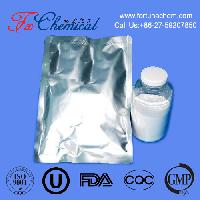
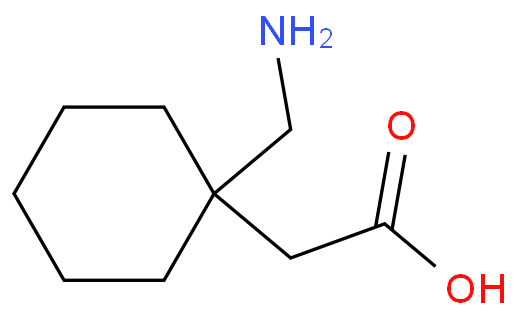
Gabapentin, with the chemical formula C9H17NO2 and CAS number 60142-96-3, is an anticonvulsant medication commonly used to treat nerve pain and certain seizure disorders.
Ropinirole, with the chemical formula C16H24N2O and CAS number 91374-21-9, is a medication used primarily for the treatment of Restless Legs Syndrome (RLS) and Parkinson’s disease (PD).
Ropinirole and Gabapentin are both used in the treatment of different neurological and movement disorders. However, their mechanisms of action and primary applications differ significantly. Ropinirole primarily targets dopamine receptors and is used for managing symptoms of RLS and PD, whereas Gabapentin is an anticonvulsant that helps alleviate nerve pain and prevent seizures.


Both compounds have distinct synthetic pathways tailored to their unique chemical structures, with gabapentin focusing on GABA derivatives and ropinirole employing a quinolone backbone for its dopaminergic effects.
Gabapentin and ropinirole are both widely used medications, though they target very different conditions and mechanisms of action. Gabapentin is primarily used in managing nerve pain and controlling seizures, whereas ropinirole is mainly utilized in the treatment of movement disorders such as Restless Legs Syndrome (RLS) and Parkinson’s Disease (PD). Despite their differences, both drugs play significant roles in improving patients' quality of life by addressing chronic and debilitating conditions.

Gabapentin is primarily known for its ability to treat neuropathic pain, a type of chronic pain caused by nerve damage or malfunction. It is particularly effective in conditions like diabetic neuropathy, post-herpetic neuralgia (pain following shingles), and trigeminal neuralgia (pain affecting the facial nerve). The drug works by binding to calcium channels in the brain and spinal cord, thereby stabilizing nerve activity and reducing the transmission of pain signals. This action helps alleviate the burning, tingling, or stabbing sensations associated with nerve pain.
In addition to its use for pain, gabapentin is also prescribed as an anticonvulsant for managing partial seizures in patients with epilepsy. It plays a key role in controlling seizure activity by stabilizing overactive nerve impulses in the brain. For those with both pain and seizure-related conditions, gabapentin offers a dual therapeutic benefit.
However, gabapentin is not without potential side effects. Some individuals may experience dizziness, drowsiness, or coordination issues. The drug can also lead to withdrawal symptoms if discontinued abruptly, such as increased anxiety, irritability, or seizure activity. Because of this, it is recommended that gabapentin be tapered off gradually under the supervision of a healthcare provider. Careful monitoring is also needed when prescribing gabapentin to avoid misuse or overdose, especially in individuals with a history of substance use disorders.
Ropinirole, on the other hand, works through a completely different mechanism. As a dopamine agonist, it stimulates dopamine receptors in the brain, mimicking the effects of natural dopamine. This makes it particularly effective in treating movement disorders that are linked to dopamine deficiency, such as Restless Legs Syndrome (RLS) and Parkinson’s Disease (PD).
RLS is a neurological condition characterized by uncomfortable sensations in the legs, typically accompanied by an irresistible urge to move them. These sensations often worsen at rest or during periods of inactivity, such as when lying down at night. Ropinirole is one of the first-line treatments for RLS, as it helps relieve these symptoms by stimulating dopamine receptors, thereby reducing the urge to move the legs and allowing for better sleep.
In the context of Parkinson’s Disease, ropinirole is used to manage motor symptoms such as tremors, stiffness (rigidity), and slowness of movement (bradykinesia). Parkinson's Disease is a progressive neurodegenerative disorder that results in a decrease in dopamine production in the brain. By stimulating dopamine receptors, ropinirole helps restore some of the brain’s motor function, improving the patient's ability to perform daily activities.
Despite its benefits, ropinirole does have its drawbacks. One of the most concerning side effects is excessive drowsiness, which can lead to sudden sleep episodes, even during activities that require full alertness, such as driving. This makes it essential for patients to be cautious when using ropinirole and avoid activities where alertness is critical. Other potential side effects include nausea, dizziness, and compulsive behaviors (such as gambling or hypersexuality) in some patients, requiring ongoing monitoring by healthcare professionals.
In summary, Gabapentin is a versatile anticonvulsant primarily used for nerve pain management and seizure control, while Ropinirole is focused on treating movement disorders like RLS and Parkinson’s disease. Gabapentin is effective in reducing nerve-related symptoms but may cause withdrawal symptoms if stopped suddenly, whereas Ropinirole is highly effective for motor symptoms but comes with risks of drowsiness and sleep attacks.
| Side Effect |
Gabapentin |
Ropinirole |
|---|---|---|
| Dizziness and Drowsiness | Common, may cause mild to moderate dizziness and drowsiness | Common, can cause excessive drowsiness, especially during the day |
| Withdrawal Symptoms | Can cause withdrawal syndrome if stopped abruptly | No withdrawal syndrome, but abrupt discontinuation may worsen symptoms of PD or RLS |
| Sleep Attacks | Rarely associated with sleep attacks | May cause sleep attacks, affecting daily activities such as driving |
| Kidney Strain | Rare, but caution is advised in individuals with kidney disease | Rare, but should be used cautiously in patients with kidney issues |
| Allergic Reactions | Rare, may include rash, itching, or swelling | Rare, may cause rash or other allergic reactions |
When deciding between Ropinirole and Gabapentin, it’s essential to consider your specific health needs and how your body responds to these medications. Ropinirole is a dopamine agonist, primarily used to treat Parkinson's disease and restless leg syndrome (RLS). It can help improve motor symptoms and reduce discomfort caused by RLS. Its effectiveness in improving movement disorders makes it particularly beneficial for those with Parkinson's disease or RLS, though it can come with side effects such as dizziness and nausea.
Gabapentin, on the other hand, is commonly prescribed for nerve-related pain, such as in conditions like diabetic neuropathy, as well as for anxiety and certain types of seizures. Its broad spectrum of use makes it a versatile option for those dealing with chronic pain or nerve-related conditions. However, it may lead to side effects like sedation and dizziness, which are worth considering when choosing the right medication for your needs.
If your primary concern is managing Parkinson’s symptoms or alleviating the discomfort of RLS, Ropinirole may be the better choice due to its targeted action on dopamine receptors. However, if you’re seeking relief from nerve pain or managing anxiety and seizures, Gabapentin may provide more versatile benefits.
Ultimately, the choice between Ropinirole and Gabapentin depends on your specific health concerns. If you're looking for targeted relief from movement disorders or RLS, Ropinirole is likely the superior option. On the other hand, if your focus is on managing nerve pain, seizures, or anxiety, Gabapentin would be a more suitable choice.
*To ensure the best outcomes, always consult with your healthcare provider before starting any new medication. They can help you determine the most appropriate treatment based on your medical history, specific condition, and any other underlying factors that may influence the effectiveness of these medications.
If you're looking to purchase these compounds, Guidechem is your go-to platform for sourcing high-quality raw materials and reliable suppliers. With our extensive global network, we connect you to a wide range of Gabapentin suppliers and Ropinirole suppliers, ensuring you find the right products to meet your specific research or production requirements. Whether you're in pharmaceuticals, food additives, or other industries, Guidechem simplifies the sourcing process, offering verified supplier information, competitive pricing, and seamless communication.
 |
 |
 |



 2YRS
2YRS