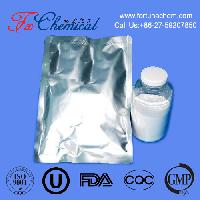
Tizanidine, with the chemical formula C9H8ClN5S and CAS number 51322-75-9, is a muscle relaxer commonly prescribed to treat muscle stiffness and spasticity. It works by blocking nerve impulses that cause muscle tightness, providing relief for individuals with conditions like multiple sclerosis and spinal cord injuries.
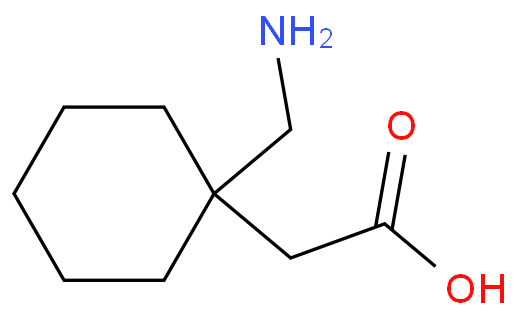
Gabapentin, with the chemical formula C9H17NO2 and CAS number 60142-96-3, is primarily used to treat nerve pain and certain types of seizures. It functions by affecting the way nerves send messages to the brain, providing relief from conditions like neuropathic pain and epilepsy.
Tizanidine vs Gabapentin are both prescription medications used to manage different types of pain and discomfort, but they work in different ways and are used for distinct medical conditions. Tizanidine is typically employed to alleviate muscle stiffness, while gabapentin is used for nerve-related pain and seizures.


Both compounds, Tizanidine and Gabapentin, involve distinct synthetic pathways. Tizanidine’s synthesis focuses on creating an effective receptor agonist, while gabapentin’s synthesis aims to mimic GABA to alleviate pain and prevent seizures.
Tizanidine and Gabapentin are both used in the treatment of conditions that involve nerve and muscle dysfunction, but their applications, mechanisms of action, and therapeutic uses vary significantly. Each medication serves a unique role in managing symptoms of neurological disorders, and understanding these differences is crucial in selecting the most effective treatment for specific health concerns.

Tizanidine is primarily prescribed for managing muscle spasms and spasticity, conditions often caused by neurological disorders such as multiple sclerosis, spinal cord injuries, or brain injuries. By acting as a selective alpha-2 adrenergic agonist, Tizanidine works centrally in the nervous system to reduce the release of excitatory neurotransmitters. This leads to muscle relaxation and a reduction in the frequency and severity of muscle spasms, significantly improving mobility and quality of life for individuals with these conditions.
Patients suffering from muscle stiffness, particularly those with conditions like spasticity due to neurological damage, often experience relief with Tizanidine. The drug’s ability to block nerve impulses that cause muscle contraction helps reduce muscle rigidity, enhancing flexibility and range of motion. Tizanidine is also commonly used in conjunction with physical therapy, as it assists in improving mobility and facilitating therapeutic exercises aimed at strengthening muscles and enhancing motor skills.
For patients dealing with conditions such as cerebral palsy or after a spinal cord injury, Tizanidine can be pivotal in reducing the muscle stiffness that impairs daily functioning. Its role in easing muscle spasm-related pain further supports its use in both acute and chronic stages of treatment, allowing patients to regain control over their movements and achieve greater independence.
Gabapentin, originally developed as an anticonvulsant, has since become a cornerstone in the treatment of nerve pain. It is commonly used to manage conditions like diabetic neuropathy, postherpetic neuralgia (pain following shingles), and peripheral neuropathy, which are characterized by damage to the nerves outside the brain and spinal cord. Gabapentin interacts with calcium channels in the nervous system, specifically targeting the alpha-2-delta subunit, which helps regulate the release of neurotransmitters responsible for transmitting pain signals. By modulating these channels, Gabapentin can reduce the intensity of pain signals reaching the brain, providing relief to patients suffering from chronic nerve pain.
In addition to its role in pain management, Gabapentin is widely used as an anticonvulsant, especially in the treatment of epilepsy and seizures. It helps stabilize electrical activity in the brain, preventing the abnormal bursts of activity that can lead to seizures. Gabapentin’s versatility makes it an essential medication for managing both nerve-related pain and seizure disorders, and it is often prescribed alongside other medications to achieve comprehensive symptom control.
Gabapentin’s ability to address both pain and seizure control makes it especially valuable for patients with conditions that involve both, such as those with neurological disorders like fibromyalgia, or for individuals undergoing cancer treatment where neuropathic pain is common. Its broad application in the management of nerve-related issues also extends to conditions like restless leg syndrome and certain types of anxiety disorders, demonstrating its wide-reaching benefits in clinical settings.
In conclusion, Tizanidine and Gabapentin are both effective medications, but they serve different purposes. Tizanidine is the preferred choice for managing muscle spasms and spasticity, while Gabapentin is better suited for treating nerve pain and controlling seizures. Choosing between the two depends on the specific medical condition being treated, and both have proven their efficacy in their respective areas.
| Side Effect |
Tizanidine |
Gabapentin |
|---|---|---|
| Digestive Issues | Rare, can cause dry mouth | Common, can cause nausea or upset stomach |
| Low Blood Pressure | Can cause dizziness and low blood pressure | Unlikely, but dizziness may occur |
| Withdrawal Symptoms | Withdrawal symptoms include muscle rigidity and high blood pressure | Stopping suddenly can lead to seizures |
| Sleepiness | Can cause sleepiness and sedation | Common, causes drowsiness |
When choosing between Tizanidine and Gabapentin for managing pain, muscle spasms, or neurological conditions, it's important to consider your specific health needs and potential side effects. Tizanidine, a muscle relaxant, is often preferred for short-term relief of muscle spasms, as it directly targets muscle tension. It is highly effective for acute muscle pain, and its sedative effects can be useful for nighttime relief. However, Tizanidine may cause drowsiness or dizziness, so it is best suited for those who do not need to perform tasks requiring full alertness during treatment.
In contrast, Gabapentin is typically used for nerve-related pain and conditions such as neuropathy or seizures. Gabapentin works by affecting the nervous system and is a good choice for chronic pain, especially when the pain originates from nerve damage. Gabapentin is known to have fewer sedative effects than Tizanidine, making it a suitable option for those who need to maintain daily activities without excessive drowsiness. However, it may cause fatigue, dizziness, or weight gain in some individuals.
Ultimately, if you're dealing with muscle spasms and need short-term relief, Tizanidine may be the better option due to its targeted action on muscles. However, for managing chronic nerve pain or conditions like neuropathy, Gabapentin is generally more effective and offers better long-term management without the sedation effects that Tizanidine may cause. Always consult your healthcare provider to determine the most suitable medication for your specific condition and health needs.
*For optimal results and to ensure you are taking the appropriate medication, it is highly recommended to follow the guidance of your healthcare provider. They can help you determine the most suitable medication based on your specific health requirements and any underlying medical conditions.
If you're looking to purchase these compounds, Guidechem is your go-to platform for sourcing high-quality raw materials and reliable suppliers. With our extensive global network, we connect you to a wide range of Tizanidine suppliers and Gabapentin suppliers, ensuring you find the right products to meet your specific research or production requirements. Whether you're in pharmaceuticals, food additives, or other industries, Guidechem simplifies the sourcing process, offering verified supplier information, competitive pricing, and seamless communication.
 |
 |
 |



 2YRS
2YRS