Tramadol, with the chemical formula C16H25NO2 and CAS number 76924-41-1, is an opioid analgesic that acts on the central nervous system. It is primarily used to treat moderate to moderately severe pain and has the potential to be habit-forming.
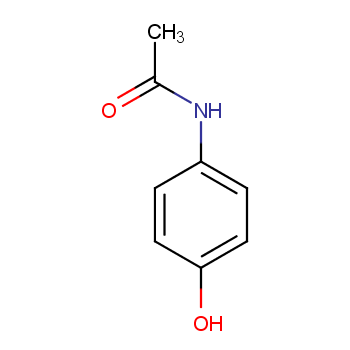
Acetaminophen, also known as paracetamol, has the chemical formula C8H9NO2 and CAS number 103-90-2. It is a widely used over-the-counter pain reliever and fever reducer, effective for mild to moderate pain relief.
When comparing tramadol and acetaminophen, the key difference lies in their strength and mechanism of action. Tramadol is considered stronger than acetaminophen and is reserved for more significant pain management, while acetaminophen is often the first-line treatment for mild pain due to its rapid onset of analgesia, typically within 15–30 minutes, compared to tramadol, which may take longer than 30 minutes to take effect. This rapid action makes acetaminophen a preferred choice for acute pain relief.


Both compounds showcase distinct synthetic pathways, with tramadol requiring more complex reactions compared to the simpler synthesis of acetaminophen. The differences in their chemical structures and synthesis methods reflect their varying uses in pain management.
Tramadol and acetaminophen serve crucial roles in pain management, but their applications vary significantly based on the severity and nature of the pain being treated.This article will answer the questions about the application of acetaminophen vs tramadol, hoping to provide some help for those who have related needs.

Tramadol is primarily prescribed for moderate to moderately severe pain, encompassing conditions such as post-surgical recovery, injury-related pain, and chronic pain disorders like fibromyalgia or osteoarthritis. Its unique dual mechanism of action enhances its effectiveness: it binds to opioid receptors in the brain, providing pain relief akin to opioids, while simultaneously inhibiting the reuptake of norepinephrine and serotonin, neurotransmitters that play a crucial role in pain perception. This makes tramadol an attractive option for patients who do not adequately respond to non-opioid analgesics, like acetaminophen or NSAIDs.
However, tramadol's potential for dependency and a range of side effects, including dizziness, nausea, and constipation, necessitate careful prescription practices. Medical professionals often monitor patients closely and may recommend it only for short-term use or in combination with other non-opioid pain relievers. Patients with a history of substance use disorder, certain medical conditions, or those taking other medications that interact with tramadol should use this medication under strict supervision.
Acetaminophen is widely regarded as the first-choice option for mild to moderate pain relief. It effectively alleviates common ailments, including headaches, muscle aches, arthritis, and toothaches. Its analgesic efficacy hinges on its ability to inhibit cyclooxygenase (COX) enzymes in the brain, resulting in a decrease in the production of pain-causing chemicals called prostaglandins. This makes acetaminophen a versatile choice across a broad demographic. Furthermore, acetaminophen is often recommended for its robust safety profile, particularly for individuals who are at risk of opioid dependence or who experience side effects from stronger medications. Notably, acetaminophen can be safely used in children and is often recommended during pregnancy, making it suitable for a wide range of patients.
In summary, the choice between tramadol and acetaminophen hinges on the nature and severity of the pain being treated. Tramadol is better suited for individuals experiencing moderate to severe pain and requires a stronger analgesic option, while acetaminophen is ideal for those managing mild to moderate pain who seek a safer, quicker-acting solution. Understanding the unique properties, applications, and potential side effects of each compound is crucial in tailoring pain management strategies that effectively address patients' needs while minimizing the risk of adverse effects. Selecting the appropriate analgesic can improve patient outcomes and enhance their quality of life when dealing with pain.
| Side Effect |
Tramadol |
Acetaminophen |
|---|---|---|
| Addiction Potential | Moderate risk; can lead to misuse and dependence | No significant risk of addiction |
| Gastrointestinal Issues | Common; may cause nausea, vomiting, or constipation | Rare; typically well-tolerated with minimal gastrointestinal side effects |
| Respiratory Depression | Possible, particularly in overdose situations | Unlikely to cause respiratory depression |
| Liver Damage | Unlikely; should be used cautiously in individuals with liver conditions | Risk of liver damage with high doses or prolonged use |
| Withdrawal Symptoms | Can occur with abrupt discontinuation | No withdrawal symptoms associated |
When choosing between tramadol and acetaminophen for pain relief, it's important to consider your specific needs and any health conditions you may have. Tramadol is a stronger analgesic that is often recommended for moderate to severe pain, particularly when other over-the-counter options have not provided sufficient relief. Its dual mechanism of action makes it effective in managing pain but also carries a risk of dependence and side effects that require careful monitoring.
In contrast, acetaminophen is ideal for managing mild to moderate pain and is generally considered safer for long-term use. It has a lower risk of addiction and can be a better option for individuals who need consistent pain management without the risks associated with opioid medications. However, it is crucial to adhere to recommended dosages to avoid liver damage, particularly if combined with alcohol or in individuals with pre-existing liver conditions.
Ultimately, if you're seeking effective pain relief with minimal risks and fewer side effects, acetaminophen is often the superior choice, especially for those with mild to moderate pain or those requiring frequent dosing. However, if you are dealing with more severe pain that does not respond to over-the-counter medications, tramadol may provide the relief you need, but should be used under strict medical supervision.
*For optimal results and to ensure that you are taking the appropriate medication and dosage, it is highly recommended to follow the guidance of your healthcare provider. They can help you determine the most suitable option based on your specific health requirements and any underlying medical conditions.
If you're looking to purchase these compounds, Guidechem is your go-to platform for sourcing high-quality raw materials and reliable suppliers. With our extensive global network, we connect you to a wide range of acetaminophen suppliers, ensuring you find the right products to meet your specific research or production requirements. Whether you're in pharmaceuticals, food additives, or other industries, Guidechem simplifies the sourcing process, offering verified supplier information, competitive pricing, and seamless communication.
 |
|
 |



 1YR
1YR