-
We detected your language preference as English. Would you like to switch to the English version for a better experience?
Switch to English
Stay here


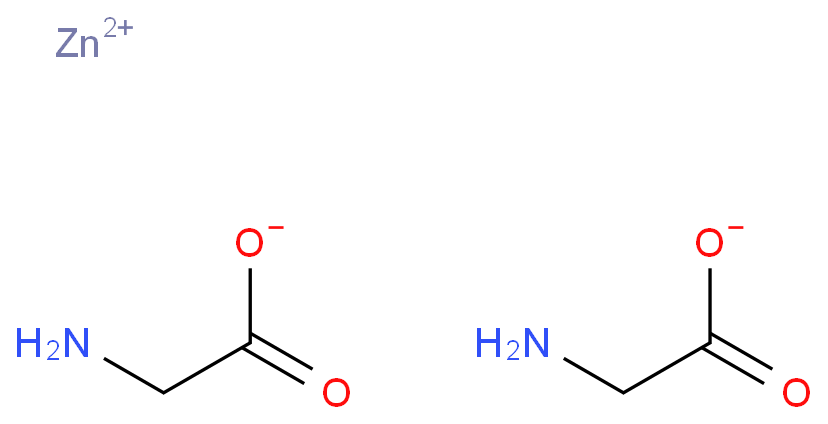
Zinc Glycinate, with the chemical formula C4H8N2O4Zn and CAS number 14281-83-5, is a chelated form of zinc, meaning it is bound to the amino acid glycine, which helps to enhance its absorption and bioavailability in the body.
Zinc, with the chemical formula Zn and CAS number 7440-66-6, is an essential mineral required by the body for various physiological functions, including immune support, wound healing, and DNA synthesis. Zinc is available in various forms, with zinc sulfate, zinc oxide, and zinc citrate being among the most commonly used in dietary supplements.
Zinc Glycinate and Zinc are both crucial for health, but they have different characteristics and applications. Zinc Glycinate is known for its superior absorption and lower gastrointestinal irritation compared to other forms of zinc, making it a preferred choice for supplementation. Zinc, on the other hand, is available in various forms that can differ in terms of bioavailability and usage. This article will explore the main differences between Zinc Glycinate and Zinc, focusing on their absorption, dosage, cost, benefits, and common applications.


While both compounds involve zinc, the key difference lies in the chelation of zinc with glycine in Zinc Glycinate, which enhances absorption and reduces potential digestive discomfort. Zinc, in its pure form or as a salt, is less bioavailable and may cause gastrointestinal issues in some individuals.
Zinc is an essential trace mineral that plays a vital role in various physiological processes, including immune function, protein synthesis, wound healing, and DNA synthesis. Zinc Glycinate, due to its higher bioavailability, is often preferred as a supplement for addressing zinc deficiency, supporting the immune system, and improving skin health.

Zinc Glycinate is highly bioavailable, making it an excellent option for individuals looking to enhance their immune function or address zinc deficiency. Zinc is an essential mineral that plays a pivotal role in immune system regulation by supporting the development and activation of T-lymphocytes and macrophages—two key components in the body's defense against infections. Adequate zinc levels are crucial for maintaining a healthy immune response, and Zinc Glycinate ensures that the body can utilize the mineral effectively. In addition to immune support, Zinc Glycinate is widely used for improving skin health. It is known for its ability to help treat conditions like acne, eczema, and other inflammatory skin disorders. Zinc promotes wound healing, reduces inflammation, and regulates oil production in the skin, all of which contribute to clearer, healthier skin.
The chelated form of Zinc Glycinate significantly enhances its absorption, ensuring that more of the mineral is available for the body to use. This makes it more effective than other forms of zinc, especially when taken over a long period. Additionally, the chelation process reduces the likelihood of gastrointestinal issues, such as stomach upset or nausea, which are common with other types of zinc supplements. This makes Zinc Glycinate an ideal choice for individuals who need to take zinc regularly for immune support or skin health, without the discomfort often associated with other zinc supplements. Whether used to boost immunity, improve skin appearance, or address a deficiency, Zinc Glycinate offers a gentle, effective solution.
Zinc, in its various forms, is widely used to support general health and immunity. Zinc supplementation is commonly recommended for individuals with zinc deficiency, which can result in symptoms like weakened immunity, poor wound healing, and impaired taste or smell. Zinc also plays a critical role in the synthesis of proteins and the growth of cells, making it essential for overall health. However, the bioavailability of zinc in non-chelated forms may not be as high as that of Zinc Glycinate, and some people may experience digestive discomfort when taking other zinc supplements.
Despite these limitations, zinc is still a highly effective supplement for immune support, promoting wound healing, and ensuring proper cell growth and function. Zinc's role in the body is irreplaceable, and supplementation remains an important strategy for individuals who have dietary insufficiencies or need additional support for their immune system.
In conclusion, Zinc Glycinate is a superior form of zinc supplementation, offering better absorption and fewer gastrointestinal side effects. It is especially beneficial for individuals seeking to support their immune system, skin health, or address zinc deficiency without the digestive discomfort that other forms of zinc might cause. Zinc, on the other hand, is a more widely available form of the mineral and is still effective in promoting general health and immunity. The choice between Zinc Glycinate and Zinc largely depends on individual health needs and tolerance.
| Side Effect |
Zinc Glycinate |
Zinc |
|---|---|---|
| Digestive Issues | Rare, may cause mild bloating or upset stomach | Common, can cause nausea, indigestion, or stomach upset |
| Low Blood Pressure | Possible, may cause dizziness or lightheadedness | Possible, especially with excessive supplementation |
| Overdose Risk | Unlikely with proper dosing | Can lead to zinc toxicity with excessive use |
| Kidney Strain | Rare, but should be used cautiously in individuals with kidney conditions | Risk of kidney strain, especially with prolonged use or in those with kidney issues |
If you're looking to purchase these compounds, Guidechem is your go-to platform for sourcing high-quality raw materials and reliable suppliers. With our extensive global network, we connect you to a wide range of Zinc Glycinate suppliers, ensuring you find the right products to meet your specific research or production requirements. Whether you're in pharmaceuticals, food additives, or other industries, Guidechem simplifies the sourcing process, offering verified supplier information, competitive pricing, and seamless communication.
[1]The Role of Zinc in Immune Function by A. B. Smith.
[2]Zinc Supplementation and Skin Health by J. D. Taylor.
[3]Bioavailability of Zinc and Zinc Glycinate in Journal of Nutritional Science.
[4]Effects of Zinc Deficiency on Health in American Journal of Clinical Nutrition.
|
 |
 |
|
|
 EN
EN
 Agricultural News
 Food News
 Industrial News
 Cosmetic News
 Pharmaceutical News
 Science News

 3YRS
3YRS

