-
We detected your language preference as English. Would you like to switch to the English version for a better experience?
Switch to English
Stay here


Zinc, with the chemical symbol Zn and CAS number 7440-66-6, is an essential trace element known for its critical role in numerous biological processes, including immune function, wound healing, and cellular metabolism.

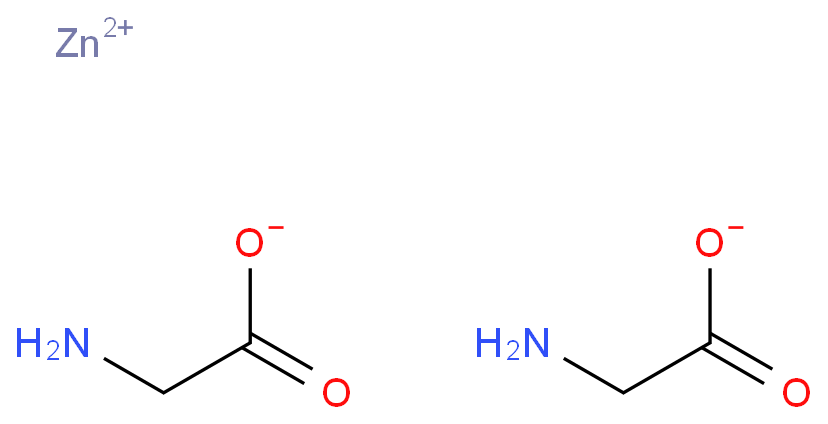
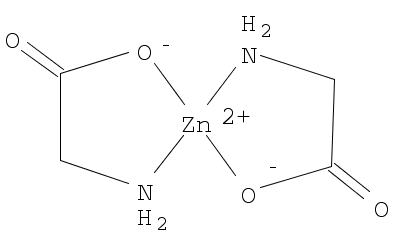
Zinc Glycinate, with the chemical formula C4H8N2O4Zn and CAS number 14281-83-5, is a chelated form of zinc. It combines zinc with glycine, an amino acid, to enhance bioavailability and minimize gastrointestinal discomfort often associated with zinc supplements.

Zinc and Zinc Glycinate offer unique advantages, but their applications differ significantly. The former serves as a fundamental element in dietary sources and industrial applications, while the latter is tailored for superior absorption in nutritional supplements. Understanding their differences is key to selecting the appropriate compound for specific needs.
The key difference in zinc glycinate vs zinc lies in their structures—zinc is elemental, while zinc glycinate is a chelated compound formed by binding zinc to glycine. This chelation enhances its bioavailability, making it easier for the body to absorb and utilize. As a result, zinc glycinate is often used in supplements for improved effectiveness.
Zinc is an essential trace mineral crucial for various biological functions, including immune support, enzyme activity, and cell growth. Zinc glycinate, a chelated form of zinc, is a modern advancement in zinc supplementation, offering enhanced bioavailability and gentler gastrointestinal effects compared to elemental zinc. Below, we explore the unique applications of each form in health and industrial settings.

Elemental zinc is essential in various industries. It is widely used for galvanizing steel to prevent corrosion, in the production of alloys like brass, and as a component in batteries. Biologically, zinc is critical for immune function, enzymatic reactions, and protein synthesis. Zinc supplementation is commonly prescribed to address deficiencies that lead to symptoms like weakened immunity, hair loss, and delayed wound healing.
In addition to health applications, zinc's industrial use is notable. It is a key material in galvanization, protecting steel and iron from corrosion, and is essential in the production of batteries, alloys, and die-casting processes. Zinc’s versatility extends to the agricultural sector, where it is used as a micronutrient fertilizer to enhance crop yields in zinc-deficient soils.
While elemental zinc is indispensable for its broad applications, it lacks the bioavailability and digestive tolerance of zinc glycinate, making it less suitable for individuals requiring therapeutic supplementation.
Zinc glycinate, with its improved absorption and reduced stomach irritation, is widely used in dietary supplements aimed at improving zinc levels. It is particularly effective for individuals with zinc deficiencies who may struggle to tolerate traditional zinc supplements. This chelated form ensures maximum delivery of zinc to the bloodstream, supporting a variety of health applications:
Additionally, zinc glycinate's non-irritating nature makes it ideal for long-term supplementation, particularly in individuals with gastrointestinal sensitivities or chronic conditions requiring consistent zinc intake.
| Drawback |
Zinc |
Zinc Glycinate |
|---|---|---|
| Gastrointestinal Issues | May cause nausea or upset stomach when consumed in large doses | Rare, generally well-tolerated |
| Cost | Relatively inexpensive | More expensive due to chelation process |
| Absorption | Lower absorption compared to chelated forms | High absorption |
In conclusion, Zinc and Zinc Glycinate cater to different needs. Zinc is ideal for industrial and general biological applications, while Zinc Glycinate is tailored for optimal health benefits due to its high bioavailability and minimal side effects. Selecting the right form depends on the specific requirements of the user.
If you're looking to purchase these compounds, Guidechem is your go-to platform for sourcing high-quality raw materials and reliable suppliers. With our extensive global network, we connect you to a wide range of Zinc Glycinate suppliers, ensuring you find the right products to meet your specific research or production requirements. Whether you're in pharmaceuticals, food additives, or other industries, Guidechem simplifies the sourcing process, offering verified supplier information, competitive pricing, and seamless communication.
[1]The Chemistry of Zinc by L. A. Burke.
[3]Industrial Applications of Zinc in Materials Science Journal.
[4]Bioavailability of Chelated Zinc by P. H. Tompkins.
 |
|
 |
 |
|
 EN
EN
 Agricultural News
 Food News
 Industrial News
 Cosmetic News
 Pharmaceutical News
 Science News

 3YRS
3YRS

