-
We detected your language preference as English. Would you like to switch to the English version for a better experience?
Switch to English
Stay here


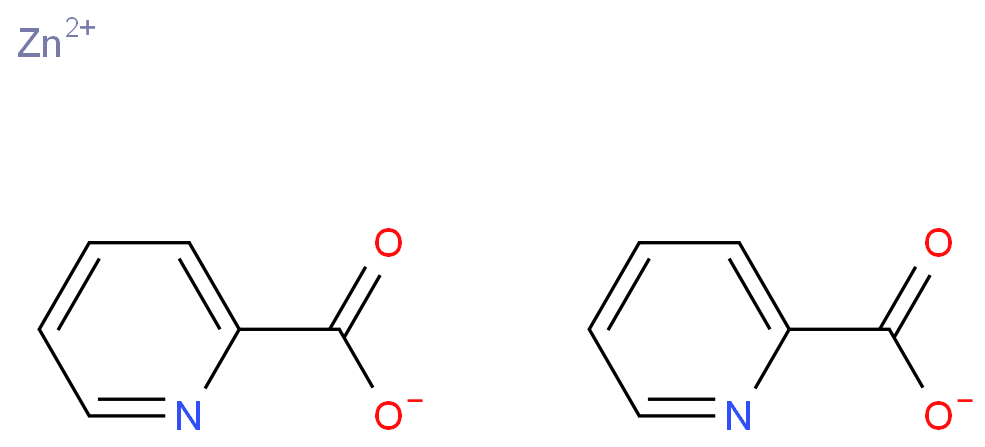
Zinc Picolinate, with the chemical formula C12H12N2O6Zn and CAS number 17949-65-4, is a highly bioavailable form of zinc often used as a dietary supplement. It is known for its ability to support immune health and cellular function due to its superior absorption in the body.
Zinc Glycinate, with the chemical formula C4H8N2O4Zn and CAS number 14281-83-5, is another bioavailable form of zinc. This compound is commonly utilized in health supplements to support enzymatic reactions, wound healing, and overall growth due to its gentle effect on the stomach and effective absorption.
Zinc Picolinate and Zinc Glycinate are both excellent zinc supplements, but their primary differences lie in their chemical composition and applications. Zinc Picolinate is favored for its superior absorption, while Zinc Glycinate is often chosen for its gentle impact on digestion.


Both forms involve chelation, but their specific ligands—picolinic acid for Zinc Picolinate and glycine for Zinc Glycinate—determine their unique absorption profiles and suitability for different health applications.
Zinc is an essential trace element vital for numerous biological functions, including immune defense, enzymatic activity, and cellular repair. Both Zinc Picolinate and Zinc Glycinate are used in health supplements, offering distinct advantages based on their bioavailability and effects.

Zinc Picolinate is often regarded as one of the most bioavailable forms of zinc due to its chelation with picolinic acid. This form of zinc is widely used to support the immune system, playing a critical role in maintaining a robust defense against infections and promoting wound healing. It is particularly beneficial during cold and flu seasons, helping to reduce the duration and severity of symptoms.
In addition to its immune-enhancing properties, Zinc Picolinate is commonly recommended for improving skin health. Zinc is a key element in skin repair processes, and its deficiency has been linked to conditions such as acne, eczema, and psoriasis. Zinc Picolinate helps reduce inflammation and supports the regeneration of healthy skin cells, making it a favored choice in dermatological treatments.
Zinc Picolinate also plays a role in enzyme function and cellular metabolism. By acting as a cofactor for numerous enzymatic reactions, it aids in DNA synthesis and protein production, supporting overall cellular health and development.
Zinc Glycinate is prized for its gentle impact on digestion, making it an excellent option for individuals with sensitive stomachs. It supports enzymatic reactions crucial for metabolism and is often used to promote wound healing, tissue repair, and overall growth. Its stability ensures consistent absorption, reducing the risk of gastrointestinal discomfort compared to other zinc forms.
In addition to its role in enzymatic support, Zinc Glycinate is effective in reducing oxidative stress and supporting reproductive health. It is frequently recommended for individuals who need long-term zinc supplementation without adverse digestive effects.
Zinc Glycinate supports cognitive health by participating in neurotransmitter regulation and brain function. Zinc is a critical element in cognitive development and neurological health, and Zinc Glycinate ensures optimal zinc levels to support mental clarity and focus.
In conclusion, Zinc Picolinate offers superior absorption and is ideal for immune support and cognitive health, while Zinc Glycinate provides excellent digestive tolerance and supports enzymatic functions and growth. Choosing between them depends on individual health goals and digestive sensitivity.
| Drawback |
Zinc Picolinate |
Zinc Glycinate |
|---|---|---|
| Stomach Upset | Possible in sensitive individuals | Rare, well-tolerated |
| Cost | Higher due to superior absorption | Moderate, cost-effective |
If you're looking to purchase these compounds, Guidechem is your go-to platform for sourcing high-quality raw materials and reliable suppliers. With our extensive global network, we connect you to a wide range of Zinc Picolinate suppliers and Zinc Glycinate suppliers, ensuring you find the right products to meet your specific research or production requirements. Whether you're in pharmaceuticals, food additives, or other industries, Guidechem simplifies the sourcing process, offering verified supplier information, competitive pricing, and seamless communication.
[1]Zinc in Human Health by A. Prasad.
[2]Bioavailability of Zinc Supplements by T. M. Stokes.
[3]Comparative Studies on Zinc Compounds in Journal of Nutrition.
[4]Role of Zinc in Immunity in Medical Research Archives.
|
 |
 |
 |
|
 EN
EN
 Agricultural News
 Food News
 Industrial News
 Cosmetic News
 Pharmaceutical News
 Science News

 1YR
1YR

