-
We detected your language preference as English. Would you like to switch to the English version for a better experience?
Switch to English
Stay here


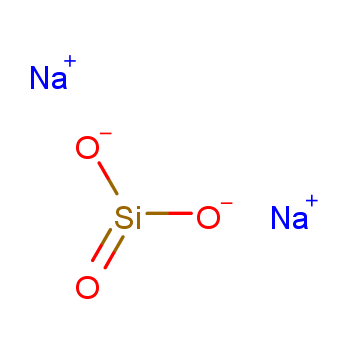
Sodium silicate (CAS 1344-09-8), commercially known as water glass, is a family of amorphous alkali silicates best expressed by the general formula Na2O nSiO2, where the silica-to-soda ratio typically ranges from 1.6 to 3.4 and determines alkalinity, viscosity and reactivity. It is supplied as glassy solids, viscous liquors at 30 to 50 percent solids, and spray-dried powders. Because ratio, solids content and impurity profile are fixed at the furnace or digester and cannot be adjusted downstream, buyers must specify ratio and physical form at the enquiry stage.
Demand is anchored by four downstream sectors: detergents and industrial cleaners; precipitated silica, silica gel, zeolites and catalyst manufacture; construction, including concrete densifiers, permeation grouting and geopolymer binders; and foundry, refractory and adhesive applications. Pulp and paper, water treatment and oilfield drilling consume smaller but technically demanding volumes. Growth in 2026 is concentrated in silica precursors for fuel-efficient tyres, silicone rubber and battery separators, and in low-carbon cements where soluble silicate acts as an alkali activator.
Supply is inherently regional because the commercial product is largely water, so freight cost per tonne of contained solids dominates economics and plants cluster near customers. Energy, soda ash and caustic soda prices set the cost floor, making regional energy policy a competitive variable in its own right. Regulatory exposure is light for the substance itself but significant for alkalinity classification, effluent control and respirable dust. Exporters pairing reliable ratio control with bulk logistics capability and documented ESG performance hold the defensible positions.
Sodium silicate is not a single compound but a distribution of silicate anions whose polymerisation depends on ratio, concentration and pH. At equal solids, higher-ratio grades contain longer, more polymerised species and therefore higher viscosity, while lower-ratio grades are more alkaline and more reactive. Function follows from three properties: alkalinity that saponifies fats and buffers pH, silicate species that sequester hardness ions and inhibit corrosion, and dehydration chemistry that converts soluble silicate into a rigid inorganic binder.
Two production routes dominate. The furnace route fuses silica sand with soda ash at high temperature; the hydrothermal route digests sand in caustic soda under pressure. Route selection is an energy, carbon and product-flexibility decision rather than a purely capital one.
Demand is shifting from commodity cleaning toward speciality and low-carbon construction. Detergent volumes in mature markets are flat to declining as products concentrate and builder systems change, while precipitated silica demand rises with fuel-efficient tyres, silicone rubber, toothpaste abrasives and battery separators. Low-carbon cement and geopolymer development has moved soluble silicates from a niche additive to a strategic alkali activator, and infrastructure maintenance spending supports grouting and densifier volumes. Net growth is therefore modest in tonnage but increasingly skewed toward higher-specification, higher-margin grades.
Capacity follows customers. Bulk liquor plants are distributed across every industrial region, with dense clusters near detergent, silica and pulp mills across North America, Western Europe, China, India and Southeast Asia; China is the largest producer and a growing exporter of powders and silica feedstock. Intra-regional bulk movements in road tankers, rail cars and ISO tank containers dominate trade, while intercontinental shipments concentrate in spray-dried powders, low-iron grades and silica derivatives. Customs classification sits in Chapter 28 silicate headings.
Pricing is essentially a pass-through mechanism. Soda ash, caustic soda, silica sand, fuel and electricity together account for the great majority of conversion cost, so quotations usually carry energy and raw-material escalation clauses and differ by region with natural-gas and power prices. Commodity liquors compete almost entirely on delivered cost within a freight radius, whereas low-iron, high-ratio, food-contact and water-treatment grades command substantial premiums. In 2026 expect compressed margins in detergent grades and firmer margins in silica-precursor and construction-speciality grades, where long qualification cycles protect incumbents.
Sodium silicate is a well-characterised, high-volume inorganic substance whose regulatory burden is moderate but not negligible. Practical exposure sits in three places: alkalinity-driven classification and labelling, sector rules covering detergents, water treatment, food contact and construction products, and workplace exposure to respirable dust and alkaline mist. Addressing these three systematically prevents almost every enforcement issue seen in international trade for this material.
Sodium silicate sits at the intersection of two carbon stories. The furnace route carries process carbon dioxide from carbonate decomposition plus fuel combustion, while the hydrothermal route transfers its footprint into purchased caustic soda and electricity. Buyers pursuing Scope 3 reductions increasingly ask which route a supplier operates, and expect that choice to be justified with data rather than asserted as a marketing claim.
In the furnace route carbon dioxide is released by soda ash decomposition and fuel combustion, placing most emissions in Scope 1; the hydrothermal route shifts the burden into Scope 3 through chlor-alkali production and Scope 2 through steam and agitation power. Abatement levers include electric or oxy-fuel melting, waste-heat recovery, biogenic silica sources such as rice-husk ash, and glass cullet or silica fume as feedstock. Effluent management matters as much as carbon, since silicate raises pH and dissolved solids and requires neutralisation. Reporting should follow the GHG Protocol and ISO 14064 with cradle-to-gate figures per tonne of contained solids, and the EU Emissions Trading System and Carbon Border Adjustment Mechanism should be monitored for indirect cost effects.
Silica sand quarrying carries respirable-crystalline-silica, land-rehabilitation and, in some jurisdictions, biodiversity considerations, while soda ash and caustic soda chains carry energy and transport footprints that dominate Scope 3. Buyers now expect ISO 9001 and ISO 14001 certification, occupational health systems aligned to ISO 45001, and documented crystalline-silica exposure monitoring for workers. Supply-chain due diligence aligned to OECD guidance, forced-labour screening and transparent country-of-origin statements for sand and alkali are becoming routine tender questions.
Sodium silicate is a heavy, water-rich, alkaline material that gels, crystallises or carbonates if mishandled, so logistics capability is genuinely part of product quality. Resilience planning must therefore cover storage stability as well as transport availability.
Most sodium silicate solutions carry no UN number and travel as non-dangerous goods under ADR, IMDG and IATA rules, but classification must always be confirmed against the measured alkalinity of the specific grade, since highly alkaline solid metasilicate forms fall under UN 3253 as Class 8 corrosives. Bulk liquid shipments require tank-container cleaning records, heating provisions for cold-weather transit, and compatibility checks to avoid contact with aluminium, zinc and acids. Documentation should state ratio, solids content, density and classification, and warehousing strategy should hold buffer stocks near customers, because interruptions are almost always logistical rather than chemical.
Exporters in this sector win on delivered reliability, route economics and documentation rather than on molecule differentiation. The following sequence reflects how established players have moved from regional bulk supply into international speciality business.
Sodium silicate remains a high-volume, low-unit-value inorganic whose commercial logic is set by freight radius, energy and alkali costs, and by the ratio and physical form each downstream process actually requires. It is simultaneously a mature commodity in detergents and a growth material in precipitated silica, zeolites and low-carbon cements. Suppliers that understand this split allocate capacity accordingly.
Through 2026 the decisive variables are energy and carbon cost, tightening alkaline effluent and dust controls, and qualification-driven pull from silica and construction customers seeking documented, lower-carbon alkali sources. Organisations combining route flexibility with verified emissions data and complete sector clearances will hold margin, while those competing purely on tonnage will stay exposed to energy shocks and freight volatility.
Powered by Guidechem
This white paper is exclusively compiled by the Guidechem Intelligence Team based on global customs data, regulatory databases, and industry research. Guidechem is a leading global B2B chemical platform, dedicated to connecting global buyers with verified, high-quality manufacturers.
Relying on Guidechem's extensive global database, we have mapped the core participants in the current global Sodium silicate supply chain:
Disclaimer: The content of this white paper is compiled based on public market data and regulatory information available as of 2026. Global chemical regulations are subject to dynamic adjustments. In actual export operations, enterprises must consult professional regulatory advisors or relevant competent authorities to obtain the latest compliance guidance.
 |
 |
 |
 EN
 Agricultural News
 Food News
 Industrial News
 Cosmetic News
 Pharmaceutical News
 Science News


 3YRS

