
I. Executive Summary
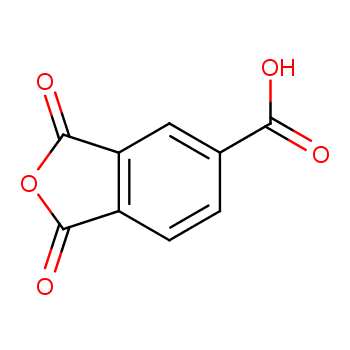
Trimellitic anhydride, TMA (CAS 552-30-7, C9H4O3, molar mass 148.12 g/mol), is the intramolecular anhydride of benzene-1,2,4-tricarboxylic acid, supplied as white flake or as molten material under dry nitrogen. It combines a reactive cyclic anhydride with a free carboxylic acid on the same aromatic ring, which is why it functions simultaneously as a monomer, a curing agent, and an acid-functional building block in powder coating polyesters, high-temperature plasticisers, polyamide-imide insulation enamels, and anhydride-cured epoxy systems. The molecule has two commercial identities: a technically versatile trifunctional intermediate, and one of the best-documented occupational respiratory sensitisers in the chemical industry. Any export strategy for 2026 has to be built around both.
On the production side, TMA is made by liquid-phase air oxidation of pseudocumene, the 1,2,4-trimethylbenzene fraction separated from C9 reformate, using the cobalt, manganese, and bromide catalyst system in acetic acid, followed by dehydration and cyclisation of the resulting trimellitic acid to the anhydride. The quality variables that matter to buyers follow directly from that sequence: assay and anhydride value, free trimellitic acid formed by hydrolysis, moisture, molten colour, residual catalyst metals and bromide, and by-product anhydrides. Because the anhydride ring reopens on contact with water, moisture control is not a packaging nicety but the central specification issue, and it drives the choice between moisture-barrier bagged flake and heated molten delivery.
On the compliance side, the European Union applies a harmonised classification for respiratory sensitisation Category 1, meaning exposure by inhalation may cause allergy or asthma symptoms, together with specific target organ toxicity for respiratory tract irritation and, in most notified entries, serious eye damage and skin sensitisation. The substance is registered under REACH, is active on the US TSCA Inventory, and has attracted sustained occupational health attention in the United States, where there is no substance-specific permissible exposure limit but recommended exposure guidance and medical surveillance practice are well established. Exporters who treat TMA as an ordinary industrial anhydride underestimate the occupational control evidence that customers and authorities now expect.
II. Product Deep Dive: Molecular Mechanisms and Production Evolution
2.1 Physicochemical Properties and Mechanisms
TMA melts near 165 to 168 °C, boils at a much higher temperature with decomposition, and carries a high flash point, so fire risk is modest while reactivity and hydrolysis dominate handling.
- Orthogonal Reactivity of Anhydride and Carboxyl: The anhydride ring opens selectively with alcohols to give monoesters and then the triesters used as high-temperature plasticisers, with amines to give amic acids that cyclise to imides in polyamide-imide wire enamels, and with epoxy resins as a curing mechanism. The third carboxyl group remains available for neutralisation into water-dilutable systems or for acid functionality in carboxylated powder coating polyesters, so a single monomer delivers chain extension, crosslinking, and dispersibility.
- Hydrolysis Equilibrium and Its Consequences: The anhydride ring is moisture sensitive and reverts to trimellitic acid on exposure to humidity, which lowers assay, raises free acid, causes caking and filter blocking, and makes dosing unpredictable. Consequently molten storage is maintained hot under dry nitrogen, solid product is packed in moisture-barrier laminates, and anhydride value is measured on receipt rather than assumed from the certificate of analysis.
2.2 Synthesis and Manufacturing Technologies
The route is a classic mid-century aromatic oxidation, and most modern investment has gone into feedstock separation, solvent recovery, and product finishing rather than into new chemistry.
- Pseudocumene Liquid-Phase Oxidation: Pseudocumene is separated from the C9 aromatic cut by close-fractionation against mesitylene and hemimellitene, then oxidised with air in acetic acid using a cobalt, manganese, and bromide catalyst system at elevated temperature and pressure. The step is highly exothermic, demands rigorous oxygen and temperature control with emergency relief, and requires acetic acid recovery and bromide corrosion management, since hot acetic acid containing bromide is aggressive toward standard stainless steel.
- Dehydration, Purification, and Finishing: The crude trimellitic acid is dehydrated and cyclised thermally under vacuum, optionally with azeotropic assistance, and the anhydride is purified by vacuum distillation or melt crystallisation before flaking, pastillation, or transfer to heated molten storage. Finishing determines the customer-visible attributes: free acid and anhydride value, molten colour, residual cobalt, manganese, and bromide, and the physical form that governs dust generation at the customer's charging point.
2.3 Core Application Matrix
- Powder Coatings and Industrial Polyesters: TMA builds acid-functional polyester resins for durable exterior and interior powder coatings cured with triglycidyl isocyanurate or hydroxyalkylamide crosslinkers, and is used in water-dilutable polyester and alkyd resins for industrial and packaging coatings. Growth here is structurally supported by solvent emission regulation favouring powder and waterborne systems.
- High-Temperature Plasticisers: Esterification with 2-ethylhexanol or higher alcohols produces trioctyl trimellitate and related trimellitates, which deliver the low volatility and heat ageing performance required for high-temperature rated cable insulation, automotive interior trim, and durable flexible compounds. Demand has been supported by restriction of certain ortho-phthalates, though trimellitates themselves are periodically assessed.
- Polyamide-Imide Enamels and Epoxy Curing: Reaction with aromatic diisocyanates gives polyamide-imide resins for high thermal class magnet wire enamels, impregnating varnishes, and electrical insulation, while as an anhydride curing agent TMA delivers high glass transition and good electrical properties in epoxy laminates, castings, and epoxy powder coatings.
III. Global Market Supply-Demand Landscape and Export Trends
3.1 Demand Drivers and Market Shifts
Three structural drivers dominate. Electrification is the strongest: traction motors, wind generators, transformers, and high-density power electronics all consume polyamide-imide and polyester-imide insulation capable of high thermal class operation. Solvent emission policy continues to shift architectural and industrial coating volume from liquid to powder, lifting carboxylated polyester demand. And plasticiser substitution following restriction of several ortho-phthalates has redirected flexible compound formulators toward trimellitates, although that demand is exposed to continuing assessment of alternative plasticisers. The counterweight is occupational health: the respiratory sensitisation profile pushes some downstream users to seek enclosed systems or alternative chemistries, so growth increasingly accrues to suppliers who can demonstrate control.
3.2 Capacity Distribution and Export Flows
Global capacity is concentrated and has consolidated. China is the largest producer and the swing exporter, with plants integrated into C9 aromatic and acetic acid infrastructure and shipping flake and molten product across Asia, Europe, Turkey, and the Americas. The United States and Japan retain long-established production tied to coating resin, plasticiser, and electrical insulation customers, while European capacity is smaller and closely linked to resin and plasticiser formulation. Because TMA is capital intensive and hazardous to operate, new entrants are rare, and rationalisation of older oxidation assets is the main source of supply volatility.
3.3 Market Bifurcation and Pricing Dynamics
Pricing follows pseudocumene and acetic acid economics, bromide and catalyst cost, and the energy intensity of oxidation and dehydration, with molten supply priced against the logistics and heating cost it saves the customer. The market bifurcates by purity and colour: standard grade serves plasticiser and insulation resin production, while low free-acid, low-colour, tightly metal-controlled grades for powder coating resins and high-performance enamels carry a premium and are qualified rather than traded. Contracts increasingly index to C9 aromatics, and spot-only buyers expose themselves to allocation during oxidation plant turnarounds.
IV. In-depth Analysis of Global Compliance and Regulatory Barriers
For TMA, compliance is the market. The substance is not banned anywhere, but its respiratory sensitisation classification shapes how it may be handled, labelled, sold into mixtures, and monitored, and that in turn determines which customers can buy it at all.
4.1 European Market: REACH, CLP, and Sector-Specific Directives
- CLP Respiratory Sensitisation and Mixture Labelling: Under the CLP Regulation, TMA carries a harmonised classification as a respiratory sensitiser Category 1 with H334, together with specific target organ toxicity single exposure for respiratory irritation and, in most notified entries, serious eye damage and skin sensitisation. The practical consequence for downstream users is the low specific concentration limit for sensitisers in mixtures: preparations containing TMA above the applicable cut-off must themselves carry the respiratory sensitisation labelling, which propagates the hazard statement through coating and resin supply chains.
- REACH Status, Authorisation, and Restriction: TMA is registered under Regulation (EC) No 1907/2006, and importers must hold compliant exposure scenarios for their uses, with an Annex VIII poison centre notification and safety data sheets in the language of each member state of delivery. On listing status, TMA is not among the substances subject to authorisation under Annex XIV nor among the restricted substances of Annex XVII, and buyers should verify the current Candidate List and both annexes at each contract renewal because respiratory sensitisers remain under policy review. Occupational law separately requires risk assessment under the Chemical Agents Directive with the control hierarchy and health surveillance.
4.2 North American Market: TSCA, EPA, and FDA Regulations
- TSCA Status and Import Documentation: TMA is listed as an active substance on the TSCA Inventory, and importers must execute the certification under 19 CFR 12.118 and retain records. Manufacturers and importers should confirm Chemical Data Reporting obligations for the relevant cycle, and should ensure that hazard communication under the OSHA Hazard Conveyance requirements reflects the respiratory sensitisation hazard so that downstream labels and training are consistent.
- OSHA and NIOSH Focus on Respiratory Sensitisation: There is no substance-specific OSHA permissible exposure limit, so control is driven by the general duty to provide a safe workplace, by hazard communication, and by recommended exposure guidance published by NIOSH at very low airborne concentrations. TMA is a well-studied occupational hazard in the published literature, associated with irritant effects, occupational asthma with specific sensitisation, and a late respiratory systemic syndrome with influenza-like symptoms hours after heavy exposure, which is why NIOSH-sponsored evaluations and medical surveillance programmes emphasise engineering control, spirometry, symptom questionnaires, and early removal from exposure.
4.3 The Critical Hurdle: Quality Control and Safety Limits
Compliance Warning: Respiratory sensitisation is the single controlling hazard and must not be managed with personal protective equipment alone. Require enclosed or isolator-based bag-opening and charging, dedicated local exhaust with verified capture velocity, molten transfer in closed, nitrogen-padded systems, and a documented exposure monitoring programme. Require the supplier's safety data sheet to carry the H334 respiratory sensitisation statement and provide worker training material, and implement health surveillance including baseline and periodic spirometry and symptom questioning, with defined removal criteria. On the product side, specify anhydride value and free trimellitic acid with numeric limits, and test on arrival: hydrolysis during transit is the most common cause of disputes. Verify REACH listing status at each renewal, and never allow water or steam to contact molten material.
V. Green Trade Barriers and ESG in Manufacturing
TMA has an unusual ESG profile: its manufacture is energy and solvent intensive and involves bromide corrosion control, while its principal uses help customers reduce solvent emissions and extend insulation service life.
5.1 Carbon Footprint and Circular Economy
Production impacts concentrate in air compression and oxidation duty, acetic acid recovery, and dehydration and distillation energy, with Scope 1 emissions driven by process vent treatment and any on-site thermal oxidation of organic vent streams. Bromide-containing hot acetic acid makes materials selection and effluent treatment part of the environmental performance story, and plants are judged on solvent recovery rate. Downstream, the use profile is genuinely favourable: powder coatings eliminate coating solvent emissions, and high thermal class insulation improves motor and transformer efficiency and service life, so suppliers can document avoided emissions for customer Scope 3 reporting under the GHG Protocol and corporate sustainability reporting frameworks.
5.2 Sustainable Sourcing and Traceability
Traceability expectations begin with the pseudocumene feedstock and extend through catalyst metal and bromide residues to the finished flake or molten lot. Buyers routinely require ISO 9001, ISO 14001, and ISO 45001 certification, a current EcoVadis assessment, and declarations on residual metals, halides, and free acid, and increasingly ask for product-level carbon footprint data. Responsible stewardship of a respiratory sensitiser is itself an ESG deliverable: suppliers are expected to provide extended safety data sheets with worker training material, to support customer exposure assessments, and to maintain lot traceability for health surveillance records.
VI. Supply Chain Resilience and Export Logistics
TMA logistics are defined by one physical fact: the anhydride ring hydrolyses, so packaging, transit, and storage are designed to keep water out whether material moves as flake or molten.
6.1 Packaging Standards and Moisture/Contamination Control
- Moisture-Barrier Solid Packaging: Flake and pastille grades are packed in heat-sealed aluminium foil laminate bags, usually inside fibre drums or boxes with desiccant and humidity indication, then palletised and wrapped. Pastilles and low-dust flake reduce airborne exposure at the charging point, and every package should carry the respiratory sensitisation labelling so that the hazard travels with the container through the customer's warehouse.
- Molten Supply and Segregation: Bulk users take molten TMA in heated, insulated stainless tank containers maintained typically between 150 and 170 °C under dry nitrogen, with circulating loops, dry vents, and temperature monitoring. Storage and transfer must exclude water and steam completely, since hydrolysis is exothermic and hot acid can splatter, and material must be segregated from amines, alkalis, strong oxidisers, and moisture sources.
6.2 Dangerous Goods Identification and Transit Protocols
Solid TMA is frequently not subject to the dangerous goods transport rules because the classification is driven by sensitisation and irritation rather than by acute toxicity or flammability, but that determination must be documented for the specific form rather than assumed, since dust form and particle size can change the assessment. Where product is shipped molten above 100 °C, the elevated temperature provisions of the modal rules can apply, which brings UN 3257, Class 9, into scope with its own tank, marking, and documentation requirements, so molten programmes must be designed with the carrier in advance. For sea freight, consignments should move in dry containers with desiccant and intact moisture barriers, with sealing and temperature records, safety data sheets in the language of destination, and segregation from food, feed, oxidisers, alkalis, and amines.
VII. Enterprise Global Expansion Strategy Guide
In a market where chemistry is mature and capacity is concentrated, differentiation comes from hazard management and product integrity.
- Turn Sensitiser Control into a Qualification Asset: Offer low-dust pastilles, enclosed charging and bag-opening solutions, documented exposure monitoring data, and worker training material, then present this package during customer qualification. Buyers increasingly cannot use a supplier who adds occupational risk, so verified control converts a liability into access.
- Guarantee Anhydride Value on Arrival: Combine moisture-barrier packaging, low free-acid specifications, optional molten supply under nitrogen, and an agreed arrival test protocol. Preventing hydrolysis in transit eliminates the most frequent quality dispute in this trade and justifies a premium over commodity flake.
- Reposition Toward Growth Applications: Direct technical service at powder coating resins and high thermal class electrical insulation where electrification and solvent emission policy support demand, while managing plasticiser exposure by tracking assessment of trimellitates and of alternative high-temperature plasticisers with regulatory counsel.
VIII. Conclusion
Trimellitic anhydride is a mature molecule with an unusually sharp commercial profile. Its trifunctional reactivity keeps it embedded in powder coating resins, high-temperature plasticisers, polyamide-imide insulation, and epoxy curing, and electrification plus solvent emission policy provide real growth. Yet its harmonised respiratory sensitisation classification means that the right to supply is earned through occupational hygiene: enclosed charging, verified capture, exposure monitoring, health surveillance, and training.
The exporters who will win the 2026 cycle are those who sell controlled product rather than commodity flake: moisture-barrier or molten supply with a guaranteed anhydride value on arrival, low-dust physical forms, and a documented exposure control and stewardship package. Buyers should reciprocate by qualifying on occupational control evidence as heavily as on price, by verifying REACH and TSCA listing status at each renewal, and by contracting with feedstock indexation given concentrated capacity. In TMA, the hazard file and the quality file are the same document.
IX. Industry Resource Connection and Supplier Ecosystem
Powered by Guidechem
This white paper is exclusively compiled by the Guidechem Intelligence Team based on global customs data, regulatory databases, and industry research. Guidechem is a leading global B2B chemical platform, dedicated to connecting global buyers with verified, high-quality manufacturers.
Relying on Guidechem's extensive global database, we have mapped the core participants in the current global Trimellitic anhydride (TMA) supply chain:
- China: Integrated Oxidation and Export Base: Chinese producers anchor global supply, integrating C9 aromatic separation, pseudocumene oxidation, acetic acid recovery, and flaking or molten loading, and exporting across Asia, Europe, Turkey, and the Americas. Strengths are scale and cost; qualification gaps are low free-acid and low-colour grades, documented occupational control, and REACH dossier depth.
- United States: Resin, Plasticiser, and Insulation Integration: Established American production is tied to coating resin, trimellitate plasticiser, and electrical insulation customers, with mature occupational hygiene practice shaped by NIOSH guidance and by well-documented experience of respiratory sensitisation. This market rewards suppliers offering low-dust forms and molten supply with verified exposure control.
- European Union: Formulation, Compliance, and Speciality Grades: European participants concentrate on resin and plasticiser formulation, regulatory stewardship under REACH and CLP, and high-purity grades for powder coatings and enamels. Here the harmonised respiratory sensitisation classification, mixture labelling cut-offs, and chemical agents risk assessment obligations are managed daily, making compliance capability the decisive competitive factor.
Disclaimer: The content of this white paper is compiled based on public market data and regulatory information available as of 2026. Global chemical regulations are subject to dynamic adjustments. In actual export operations, enterprises must consult professional regulatory advisors or relevant competent authorities to obtain the latest compliance guidance.



 EN
 Agricultural News
 Food News
 Industrial News
 Cosmetic News
 Pharmaceutical News
 Science News


 3YRS

