-
We detected your language preference as English. Would you like to switch to the English version for a better experience?
Switch to English
Stay here


Coco amine (CAS 61788-46-3, EC 262-977-1) is the mixed primary fatty amine obtained from coconut or palm kernel fatty acids, dominated by C12 and C14 chains. It is an industrial intermediate rather than a finished product: most is converted into quaternary ammonium compounds, amine oxides, betaines and ethoxylates serving fabric care, personal care, disinfectants, asphalt emulsification, mineral flotation, corrosion inhibition and fertiliser anti-caking. Its economics sit between lauric oils and ammonia, and its commercial risk sits almost entirely in origin documentation.
Two specifications define the product. The first is composition: total amine value, primary-amine percentage and GC carbon-chain distribution, because the C12/C14 balance and residual secondary and tertiary amine content decide how downstream quaternisation or oxidation behaves. The second is condition: coco amine is waxy solid at ambient temperature, absorbs carbon dioxide to form carbamates, and is corrosive and very toxic to aquatic life, so it is handled molten under nitrogen in heated, lined equipment and shipped as a Class 8 material that is usually also a marine pollutant.
This paper is written for B2B buyers, sourcing managers and compliance officers. It covers the fatty-acid-to-nitrile-to-amine route, specification design, derivative markets, GHS corrosive and aquatic classification and transport, palm kernel and coconut traceability, and nitrogen-blanketed heated logistics. It provides no consumer advice and no formulation instructions for retail products.
Coco amine is a UVCB substance: a mixture of homologous primary alkyl amines, R–NH2, in which R follows the fatty-acid profile of the feedstock — predominantly lauryl (C12) and myristyl (C14) with lesser caprylyl, capryl, cetyl, stearyl and oleyl chains. It is a waxy solid to viscous liquid near ambient temperature, insoluble in water but soluble as the protonated ammonium ion under acidic conditions, and strongly surface-active once converted to a cationic or amphoteric derivative. Its functionality is the lone pair: it quaternises, oxidises to amine oxide, ethoxylates and condenses to amidoamines and imidazolines.
The industrial route is the fatty nitrile process: lauric oil is split or transesterified to fatty acids or methyl esters, the acid is converted to the nitrile by reaction with ammonia at high temperature over a dehydration catalyst, and the nitrile is hydrogenated to the primary amine. The selectivity challenge is suppressing secondary and tertiary amines during hydrogenation, which is why ammonia is present in that step.
Demand follows three end markets: home and personal care, infrastructure and mining. Softeners, conditioners and disinfectants provide a mature base; cationic asphalt emulsions add a construction-linked, regionally cyclical component; and mineral flotation ties part of the volume to phosphate, potash and industrial-minerals output. The fastest-moving requirement is not volume but provenance: home and personal care brand owners now require certified, deforestation-free lauric feedstock, reshaping which suppliers can bid at all.
Fatty-amine capacity is layered over oleochemical geography. Southeast Asian complexes in Indonesia, Malaysia and the Philippines sit beside coconut and palm kernel oil supplies and export amine and derivative surfactants; Chinese producers import lauric oils, fatty acids or nitriles and convert them at scale; Indian plants serve a large domestic surfactant industry; and European and North American specialists focus on high-purity distilled cuts, derivatives and technical service. Trade runs as lauric oil or fatty acid from the tropics into Asian amine plants, and as amine or derivative into formulation markets worldwide.
The market splits between technical-grade amine sold on amine value and colour for asphalt, flotation and inhibitor use, and high-purity distilled grades sold on chain distribution, secondary-amine limits and odour for surfactant and personal-care derivatives — the latter carrying a durable premium. Pricing is feedstock-driven: coconut oil commands a premium over palm kernel oil and both move with vegetable-oil markets, biodiesel policy and crop weather, while ammonia and hydrogen costs set the conversion margin. Freight and packaging are a visible share of landed cost.
Four regulatory layers apply. Substance law: REACH registration in the EU with CLP classification, and TSCA inventory status in the US; because the substance is a UVCB, registration rests on a defined composition range, so buyers must confirm their material falls inside it. Derivative law: once the amine becomes a quaternary biocide or a cosmetic ingredient, Regulation (EU) 528/2012 or Regulation (EC) 1223/2009, and US FIFRA or MoCRA, take over. Trade law: origin documentation for lauric oils. Transport law: Class 8 corrosive classification with marine-pollutant consequences.
For a lauric-oil-derived amine, ESG is mostly upstream. The nitrile and hydrogenation steps are energy-intensive but well controlled; the exposure lies in oil palm expansion, peat, biodiversity, smallholder livelihoods and the credibility of certification claims, which home and personal care customers increasingly treat as a condition of supply.
Cradle to gate, the largest emissions sit in agriculture and land-use change, followed by the ammonolysis step's high-temperature heat demand and the hydrogen used for nitrile reduction — grey hydrogen being the principal controllable item. Credible producers operate ISO 14001 and ISO 50001 systems and report Scope 1–3 emissions under the GHG Protocol, with land-use-change accounting handled through RSPO or equivalent methodologies. Circular levers are practical: ammonia recovery and recycle, hydrogen reuse, and heat integration between the nitrile and hydrogenation trains.
Traceability has to resolve the botanical question first: coconut or palm kernel, and in what proportion. Palm kernel streams require RSPO chain-of-custody evidence — segregated or mass balance — with mill-level traceability, and EUDR due diligence including geolocation, legality and deforestation-free assurance for EU placement; coconut streams, while outside the EUDR commodity list, still attract organic, fair-trade and smallholder-traceability requirements. ISCC PLUS mass balance is the common framework for mixed lauric feeds, and large buyers now audit back to the mill or the copra rather than accepting trader attestations.
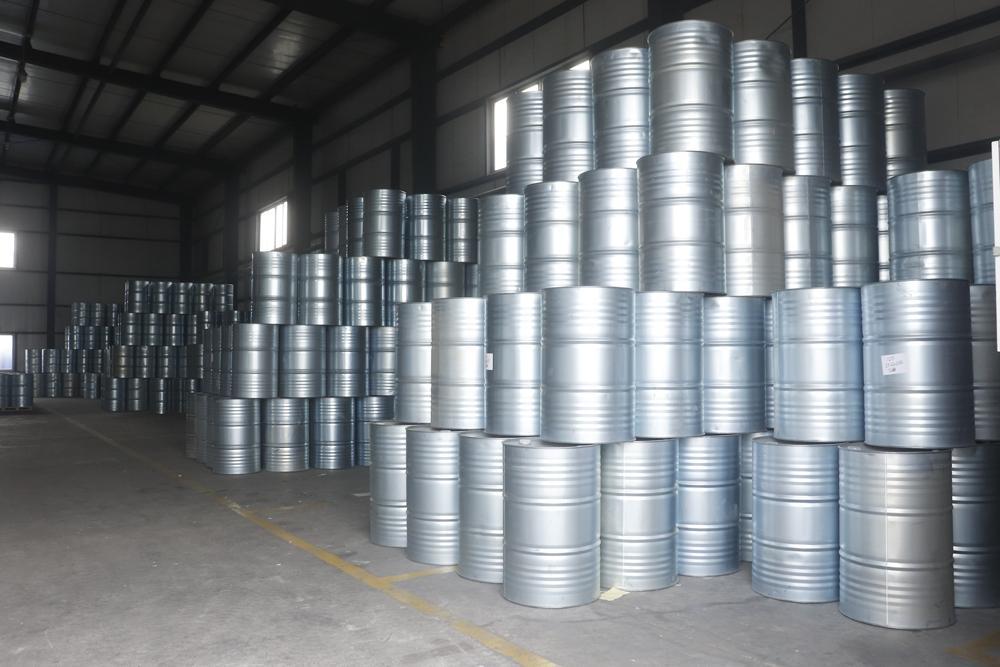
Coco amine combines a corrosive hazard with awkward physical behaviour. It solidifies near ambient temperature, must be moved molten, and degrades on contact with air, so logistics must solve temperature, atmosphere and corrosion simultaneously — heated and insulated equipment, nitrogen padding, and materials that resist hot fatty amine.
With skin-corrosion classification, coco amine is transported as a Class 8 corrosive: liquids are typically declared as UN 2735, amines, liquid, corrosive, n.o.s., and solid forms as UN 3259, amines, solid, corrosive, n.o.s., in Packing Group II or III under IMDG, ADR/RID and IATA rules with UN-specification packaging and segregation from acids and oxidisers. Because the aquatic classification usually triggers marine-pollutant status, IMDG marking and stowage must reflect it. Practical controls include heating continuity and temperature logging throughout the voyage and no co-loading with food or feed; customs treatment generally falls under nitrogen-function headings such as 29.21 or amine-function surfactant preparations, with the binding code confirmed by advance ruling.
Three capabilities determine who wins in this intermediate market.
Coco amine is a mature, high-volume intermediate whose commercial test has shifted from chemistry to provenance and handling. Its technical profile is well understood: a C12/C14 primary amine made through the nitrile route, specified on amine value, primary-amine content and chain distribution, and vulnerable to carbonation, colour formation and secondary-amine carry-over. Its hazards are equally clear — corrosive to skin, very toxic to aquatic life, and solid at ambient temperature.
For exporters, the 2026 agenda is to resolve and document botanical origin, secure RSPO and EUDR-ready evidence for any palm-derived share, hold derivative-ready specifications with secondary-amine control, and run Class 8 heated logistics without excursions. For buyers, the discipline is to sample under nitrogen and re-test amine value on arrival, to fix chain distribution in the contract, and to make certification a purchase condition.
Powered by Guidechem
This white paper is exclusively compiled by the Guidechem Intelligence Team based on global customs data, regulatory databases, and industry research. Guidechem is a leading global B2B chemical platform, dedicated to connecting global buyers with verified, high-quality manufacturers.
Relying on Guidechem's extensive global database, we have mapped the core participants in the current global Coco amine supply chain:
Disclaimer: The content of this white paper is compiled based on public market data and regulatory information available as of 2026. Global chemical regulations are subject to dynamic adjustments. In actual export operations, enterprises must consult professional regulatory advisors or relevant competent authorities to obtain the latest compliance guidance.
|
 |
 |
 |
 |
 EN
 Agricultural News
 Food News
 Industrial News
 Cosmetic News
 Pharmaceutical News
 Science News


 4YRS


