-
We detected your language preference as English. Would you like to switch to the English version for a better experience?
Switch to English
Stay here


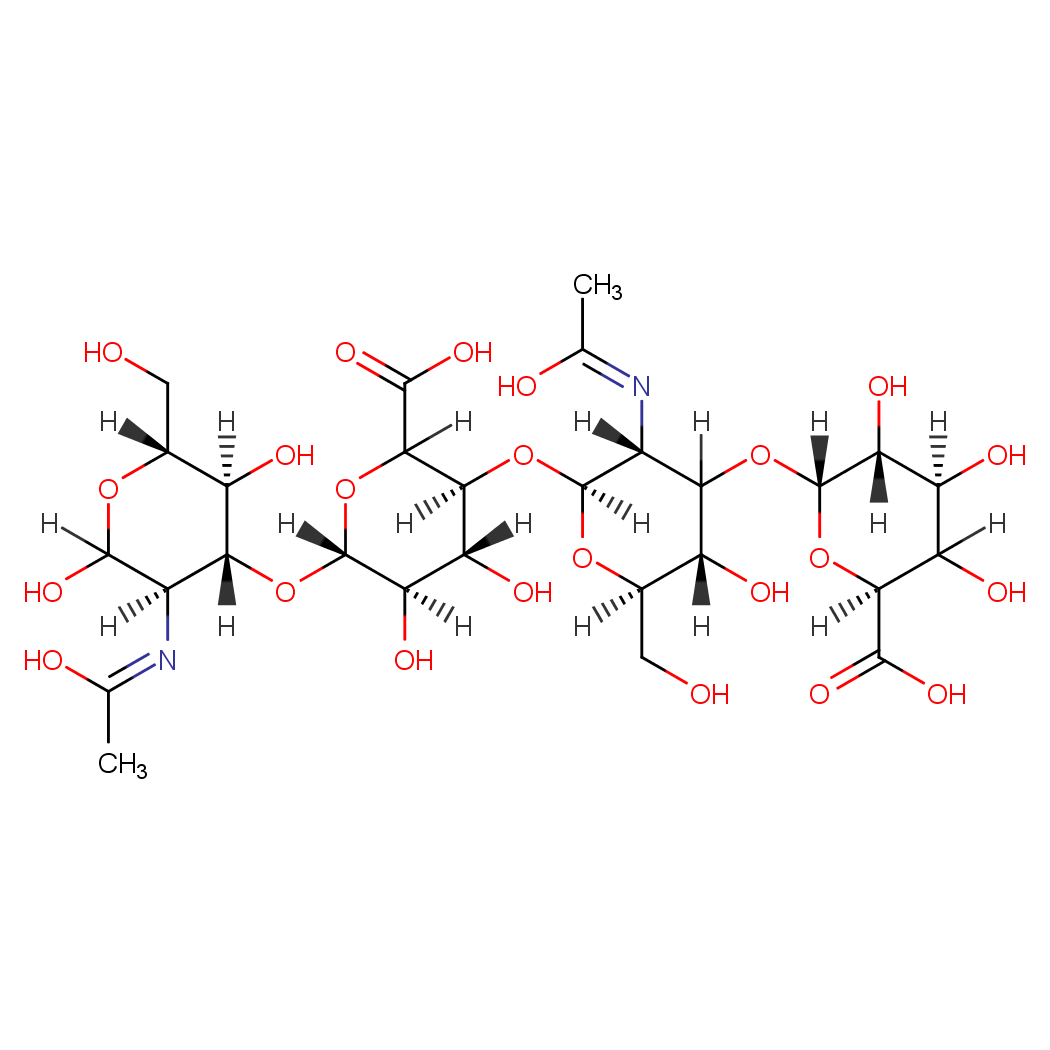
Hyaluronic acid (CAS 9004-61-9), also termed hyaluronan, is a high-molecular-weight linear glycosaminoglycan composed of repeating D-glucuronic acid and N-acetyl-D-glucosamine disaccharide units, ubiquitous in connective, epithelial, and neural tissues. As a naturally occurring biopolymer with exceptional water-binding capacity, it anchors a sprawling cross-sector market spanning aesthetic dermal fillers, ophthalmology, osteoarthritis viscosupplementation, advanced wound care, and cosmetic and nutraceutical formulations. The 2026 market is defined by robust, innovation-led growth across both aesthetic and therapeutic segments.
Commercial supply has shifted decisively from animal-tissue extraction toward microbial fermentation using Streptococcus zooepidemicus or, increasingly, recombinant non-pathogenic strains that eliminate endotoxin and animal-derived risk. Asian producers—led by China and Korea—command scale and cost leadership in raw and cosmetic grades, while specialized Western and Japanese firms dominate high-purity medical-device and pharmaceutical grades through proprietary cross-linking and purification. Regulatory posture diverges sharply by application, from MoCRA cosmetics to FDA/EMA medical-device and drug pathways.
For B2B participants, the strategic priority is grade-to-application alignment, molecular-weight specification, and unassailable purity, because the same polymer ranges from low-value cosmetic humectant to high-value cross-linked implant. This white paper analyzes hyaluronic acid's biochemistry, fermentation manufacturing, application matrix, global supply-demand dynamics, the layered regulatory barriers, and the ESG and logistics disciplines required for compliant, resilient commerce in 2026.
Hyaluronic acid is a non-sulfated anionic polysaccharide with molecular weights ranging from a few kDa in hydrolyzed cosmetic fractions to several MDa in native viscoelastic grades, its repeating disaccharide conferring strong hydrophilicity and the ability to retain up to 1000-fold its weight in water. It forms a viscoelastic gel matrix in the extracellular space, lubricating joints, maintaining tissue hydration, and modulating cell signaling via CD44 and RHAMM receptors. Stability is sensitive to elevated temperature, pH extremes, and hyaluronidase enzymatic degradation, necessitating controlled storage and, for implants, chemical cross-linking.
Industrial hyaluronic acid is predominantly produced by microbial fermentation of sucrose or glucose feedstocks, followed by recovery, enzymatic deproteinization, and multi-stage purification to the target molecular-weight profile. Modern processes increasingly use recombinant Bacillus or engineered non-pathogenic strains to avoid Streptococcus-derived endotoxins and animal-origin concerns, with downstream fractionation controlling MW via controlled hydrolysis or ultrafiltration. Medical and ophthalmic grades demand stringent endotoxin, nucleic-acid, and protein removal under cGMP and pharmacopeial controls.
Demand is propelled by the global aesthetic-procedure boom, aging populations seeking minimally invasive interventions, and the mainstreaming of skin-care actives and joint-health supplements. The post-pandemic recovery of elective aesthetics, coupled with Asia's rising beauty-consumption and medical-tourism growth, has reaccelerated volume, while diversification into wound care and drug-delivery sustains therapeutic demand. Elasticity is moderate, with brand and clinician loyalty supporting stable, premium-priced consumption in medical segments.
Fermentation capacity is concentrated in Asia-Pacific, with China and Korea supplying the bulk of raw, cosmetic, and increasingly medical-grade hyaluronic acid, while Japan retains leadership in high-purity and specialty grades. Europe and North America dominate value-added filler and viscosupplement finished devices, importing bulk polymer and adding proprietary cross-linking, filling, and regulatory clearance. Export flows run Asia-to-global for raw material, with finished high-margin devices re-exported worldwide, illustrating a clear upstream-downstream regional split.
Pricing is sharply bifurcated: commodity cosmetic-grade HA faces downward pressure from Chinese overcapacity, whereas cross-linked, endotoxin-controlled medical-device and ophthalmic grades command substantial premiums tied to purity, MW consistency, and regulatory clearance. Volatility arises from fermentation-feedstock costs, energy pricing, and periodic capacity additions that oversupply lower tiers. B2B buyers should implement grade-specific sourcing with defined MW and impurity clauses to stabilize both cost and performance.
Hyaluronic acid's regulatory complexity stems from its deployment across cosmetics, food supplements, drugs, and medical devices, each governed by distinct frameworks and market-authorization pathways. The decisive barrier is classifying the intended use correctly and meeting the corresponding quality, safety, and post-market surveillance obligations. Enterprises must align manufacturing and documentation to the strictest applicable regime, especially for implantable cross-linked products.
As a bio-fermented polymer, hyaluronic acid benefits from a renewable-origin narrative, yet B2B buyers increasingly require quantified ESG performance rather than assertions. Carbon disclosure spanning Scope 1-3 emissions from fermentation, purification, and global freight is now standard in Western supplier scorecards, and circular-economy practices such as feedstock reuse and solvent recovery strengthen preferred-supplier status. Traceability of non-animal fermentation origin and clean-energy use are differentiators in premium medical tenders.
Fermentative HA carries lower animal-welfare and zoonotic burden than rooster-comb extraction, but energy-intensive purification and ultrafiltration are material, so producers with renewable-powered plants and water/solvent recovery achieve lower carbon intensity. ISO 14001-certified sites documenting Scope 1-3 emissions and water-reuse ratios capture premium positioning, while valorizing fermentation streams supports circular-economy credits attractive to ESG-driven device and cosmetic brands. Process intensification further reduces mass intensity per kilogram.
Traceability from fermentation strain and feedstock through purification to finished grade is essential for non-animal, endotoxin-controlled assurance, with batch records and third-party audits expected by medical-device customers. Suppliers demonstrating transparent non-GMO, animal-free origin, ethical labor, and ISO 9001/13485 quality systems strengthen tender outcomes and protect against contamination or adulteration scandals. Verifiable documentation safeguards brands serving safety-critical aesthetic and clinical users.
Hyaluronic acid supply-chain resilience requires diversifying concentrated Asian fermentation supply and protecting molecular-weight integrity and bioburden during transit. The polymer is non-hazardous but hygroscopic and degradation-sensitive, demanding moisture-barrier packaging and controlled-temperature logistics for high-value medical grades. Enterprises should qualify alternate suppliers and maintain buffer inventory to absorb demand surges and port or regulatory disruptions without compromising specification.
Hyaluronic acid is not classified as a dangerous good under UN, ADR, IMDG, or IATA frameworks, simplifying global transit, but carriers require accurate SDS confirmation of non-hazard status and grade-appropriate handling. Controlled-temperature and low-humidity containers are recommended for medical and ophthalmic grades, and customs clearance benefits from certificates of analysis, free-sale or device-certificates, and GMP/ISO documentation. Importers must confirm grade-to-claim and device-registration alignment before shipment to avoid border refusal.
Expansion in the hyaluronic acid market rewards vertical integration, grade specialization, and regulatory mastery more than undifferentiated bulk supply. As applications proliferate from cosmetics to implantable devices, defensible value comes from controlled MW profiling, cross-linking IP, and compliant market access. The following strategic pillars guide B2B participants seeking durable global share.
Hyaluronic acid stands among the most versatile biopolymers in modern B2B commerce, bridging aesthetics, orthopedics, ophthalmology, and consumer wellness with a single, naturally derived molecule. Success in 2026 hinges on respecting the sharp regulatory and quality divides between grades, and on protecting molecular integrity through manufacturing and logistics discipline. Enterprises that pair specialized, audited supply with application science will capture premium, defensible share.
Looking ahead, the convergence of minimally invasive aesthetics, healthy-aging, and regenerative medicine will sustain hyaluronic acid demand across cycles. By coupling resilient dual-source supply, ESG-credible fermentation, and regulatory excellence, B2B participants can build enduring franchises aligned with global priorities for safe, effective, and sustainable biomaterials.
Powered by Guidechem
This white paper is exclusively compiled by the Guidechem Intelligence Team based on global customs data, regulatory databases, and industry research. Guidechem is a leading global B2B chemical platform, dedicated to connecting global buyers with verified, high-quality manufacturers.
Relying on Guidechem's extensive global database, we have mapped the core participants in the current global Hyaluronic acid supply chain:
Disclaimer: The content of this white paper is compiled based on public market data and regulatory information available as of 2026. Global chemical regulations are subject to dynamic adjustments. In actual export operations, enterprises must consult professional regulatory advisors or relevant competent authorities to obtain the latest compliance guidance.
|
 |
 |
 |
 |
 EN
 Agricultural News
 Food News
 Industrial News
 Cosmetic News
 Pharmaceutical News
 Science News


 3YRS

