-
We detected your language preference as English. Would you like to switch to the English version for a better experience?
Switch to English
Stay here


Tallow amine remains a strategic oleochemical intermediate for surfactants, mining reagents, agrochemical adjuvants, and quaternary ammonium compounds. However, global buyers in 2026 face widening regional price gaps, stricter dangerous goods regulations, and rising logistics compliance costs. This guide analyzes global tallow amine pricing, bulk procurement economics, IMDG transport requirements, supplier qualification standards, and hybrid sourcing strategies to help procurement teams reduce total landed cost while maintaining supply-chain resilience.

One of the most common procurement questions in 2026 is: Are imported tallow amine for sale options cheaper than local supply? The answer depends on feedstock origin, hydrogenation intensity, freight rates, and regulatory compliance costs.
Southeast Asia remains the most competitive production hub for fatty amines because of its proximity to global fatty acid and natural oil supply chains. Producers in Malaysia, Indonesia, and China benefit from integrated oleochemical infrastructure, lower utility costs, and large-scale fatty amine production facilities. In contrast, European and North American producers typically operate with higher labor, environmental compliance, and energy costs.
Hydrogenated Tallow Amine pricing deserves special attention. The hydrogenation process reduces unsaturation (iodine value), improves oxidation stability, and enhances storage performance. However, hydrogen consumption, catalyst costs, reactor residence time, and elevated processing temperatures can increase manufacturing costs by approximately 8–18% compared with conventional tallow amine grades.
Procurement teams should avoid comparing FOB prices alone. The true benchmark is:
Total Landed Cost = FOB Price + Ocean Freight + Dangerous Goods Surcharges + Insurance + Customs Duties + Inland Transportation + Inventory Carrying Cost
In many cases, imported material appears 10–15% cheaper on an FOB basis but loses most of the advantage once DG surcharges, heating requirements, and inventory financing are included.
Industrial buyers frequently ask: Who has tallow amine for sale in bulk? More importantly, they need to determine whether larger order volumes actually reduce production costs.
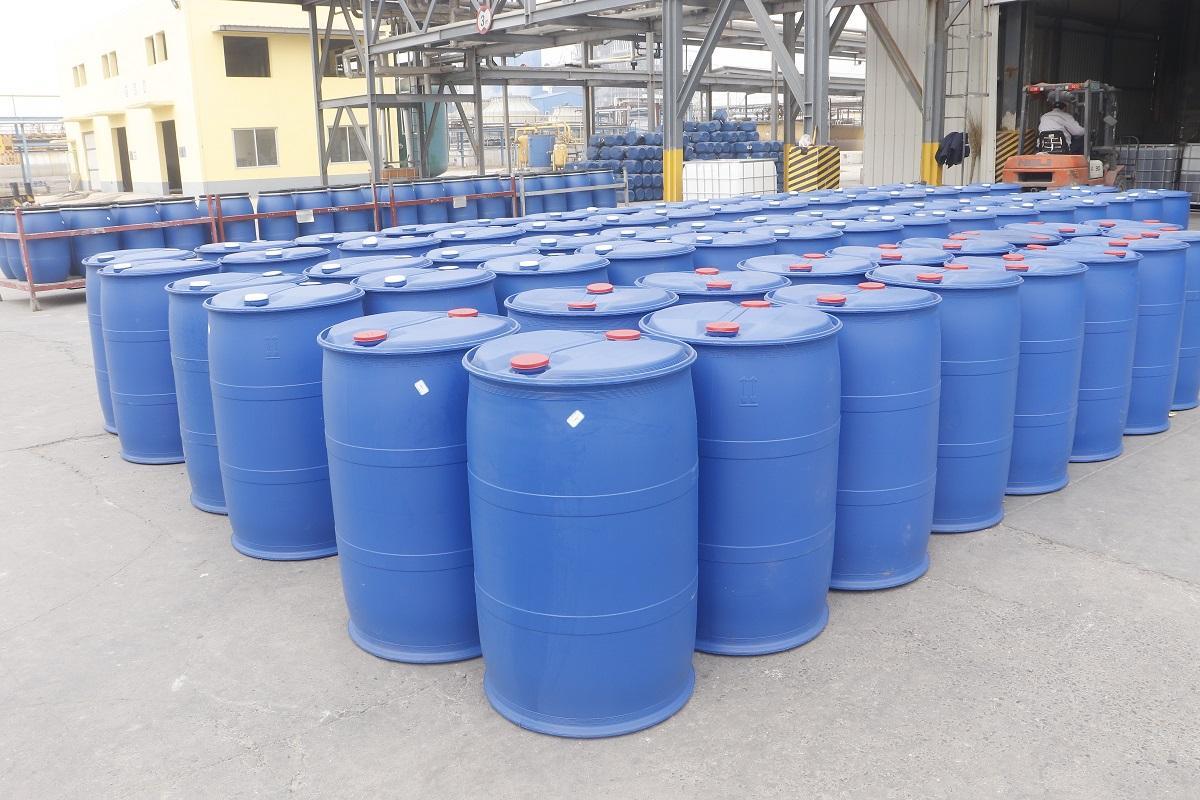
The answer depends on packaging format. Most suppliers offer:
ISO tank shipments generally deliver the lowest unit cost because they eliminate repeated filling operations, reduce packaging waste, and minimize repacking losses.
A typical procurement model shows that moving from drum packaging to ISO tanks can reduce total logistics cost by approximately 8–20% per metric ton. However, larger orders increase working capital requirements and inventory carrying costs.
The optimal strategy is to calculate the break-even point where logistics savings exceed inventory financing expenses.
This is one of the most critical compliance questions for international buyers.
Tallow amines and hydrogenated tallow amines exhibit corrosive properties and significant aquatic toxicity. Multiple SDS classifications identify serious eye damage potential and Acute/Chronic Aquatic Toxicity Category 1 hazards. Hydrogenated tallowamine SDS data specifically identifies H410 "Very toxic to aquatic life with long lasting effects."
Depending on concentration, formulation, and transport conditions, products may be classified under:
Importantly, classification must always be determined using the supplier's SDS and competent authority transport assessment. Misdeclaration can result in customs detention, carrier rejection, vessel fines, and insurance disputes.
International buyers should never assume that a non-flammable fatty amine is "non-hazardous." Transport classification is determined by hazard profile, not flammability alone.
Therefore, the answer to "Does tallow amine for sale need special transport?" is frequently yes for international shipments, especially when marine pollution classification applies.
Expert Commentary: David Bizley, former regulatory specialist and chemical transport advisor, has repeatedly emphasized that most DG violations occur during product classification rather than physical transportation. Buyers should require the latest SDS revision and transport classification declaration before issuing purchase orders.
Because tallow amine can exist as a waxy solid or semi-solid depending on temperature, packaging design directly affects unloading efficiency. Commercial specifications commonly report titer values between 30–45°C, meaning temperature management becomes critical during transport.
The most common export formats include:
For long-haul international shipments, heated ISO tanks often provide superior protection against solidification. This becomes especially important for hydrogenated grades with higher saturation levels.
Carriers should also demonstrate segregation procedures, spill response capabilities, and DG-certified handling personnel before shipment booking.
Cross-border chemical procurement requires rigorous document verification.
The answer to "Does tallow amine for sale include safety data sheets?" should always be yes.
The minimum documentation package should include:
For quality verification, buyers should review:
Commercial-grade tallow amine typically demonstrates ≥95–98% amine content and total amine values around 205–220 mgKOH/g.
Supplier qualification should move beyond simple price comparisons.
A comprehensive audit model should evaluate:
Before signing long-term contracts, buyers should always request representative production samples.
Sample evaluation should verify:
Typical specifications reported by leading manufacturers include primary amine content ≥98%, iodine value 40–56 gI₂/100g, moisture below 0.3%, and total amine value 210–220 mgKOH/g.
Hybrid Supply Chain Resilience: Navigating Tallow Amine for Sale Near Me vs Global Sourcing
When procurement professionals search for "Where is tallow amine for sale near me?", they are often attempting to reduce supply disruption risk rather than simply locating a nearby distributor.
The most resilient procurement model in 2026 combines:
This hybrid strategy can reduce landed cost while maintaining production continuity during shipping disruptions, geopolitical uncertainty, or regulatory changes.
Leading chemical manufacturers increasingly operate dual-source procurement programs. The objective is no longer lowest price alone—it is achieving the lowest risk-adjusted cost across the entire supply chain.
Organizations adopting global-primary and local-backup sourcing frameworks consistently outperform competitors during freight volatility and supply interruptions.
FAQs
Q1: Is imported tallow amine always cheaper than domestic supply?
Not necessarily. Buyers must compare total landed cost, including DG surcharges, freight, customs duties, storage, and inventory financing.
Q2: Does tallow amine require special transport arrangements?
In many cases yes. Depending on SDS classification, tallow amine may be shipped under Class 8 or Class 9 dangerous goods regulations and require specialized documentation and packaging.
Q3: What quality indicators should buyers review first?
Primary amine content, total amine value, iodine value, moisture content, color, and carbon-chain distribution (C16/C18) are among the most important quality parameters.
References
[1] International Maritime Organization (IMO). International Maritime Dangerous Goods (IMDG) Code, Amendment 42-24.
[2] European Chemicals Agency (ECHA). Guidance on Classification, Labelling and Packaging (CLP) Regulation, latest edition.
[3] CAS Registry No. 61790-33-8, Amines, Tallow Alkyl (Tallowamine).
[4] ISO 9001:2015 Quality Management Systems — Requirements.
[5] ISO 14001:2015 Environmental Management Systems — Requirements with Guidance for Use.
[6] Kao Corporation. FARMIN TD Product Specification Sheet (Amines, Tallow Alkyl).
[7] Hydrogenated Tallowamine Safety Data Sheet, hazard classification and aquatic toxicity information.
[8] Commercial Tallowamine Specifications, including purity, iodine value, and amine value data.
Looking for stable, high-purity Tallow Amine with full regulatory compliance, verified documentation, and reliable global logistics support? Discover why leading manufacturers and chemical distributors choose our premium sourcing solutions.
|
 |
 |
 |
 EN
EN
 Agricultural News
 Food News
 Industrial News
 Cosmetic News
 Pharmaceutical News
 Science News

 4YRS
4YRS


Expert Commentary: Procurement managers often focus excessively on quoted FOB prices. After auditing fatty amine procurement programs across Asia, Europe, and North America, we consistently find that logistics and inventory-related costs account for 18–35% of total ownership cost. Buyers should benchmark suppliers using Total Cost of Ownership (TCO) rather than unit price alone.