-
We detected your language preference as English. Would you like to switch to the English version for a better experience?
Switch to English
Stay here

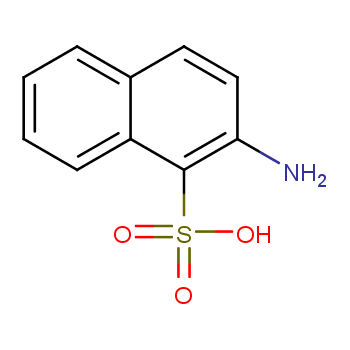
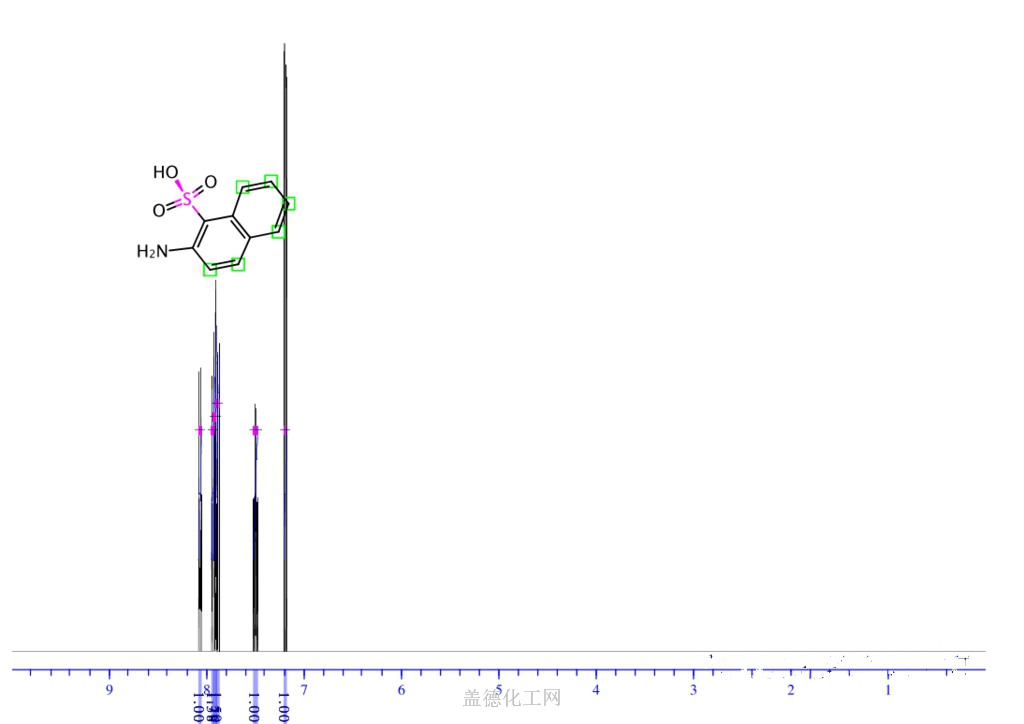
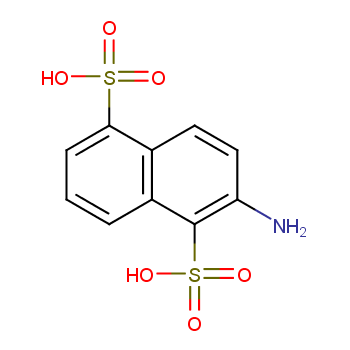
2-Amino-1-naphthalenesulfonic acid (C10H9NO3S) is an aromatic organic compound and a derivative of naphthalene, featuring both amino and sulfonic acid functional groups. At room temperature, it exists as a crystalline solid, typically appearing as light tan to brownish powder or needles. It is generally odorless or exhibits a faint characteristic odor, and it demonstrates limited solubility in cold water but dissolves more readily upon heating. This compound belongs to the class of sulfonated aromatic amines, which are commonly utilized as intermediates in dye synthesis due to their ability to form stable azo dyes through diazotization and coupling reactions.
2-Amino-1-naphthalenesulfonic acid was first synthesized in the late 19th century during the expansion of synthetic dye chemistry, although no single discoverer is widely credited; its development emerged from systematic studies on naphthalene sulfonation and amination conducted by German and French chemists. It is typically prepared through the sulfonation of 1-naphthylamine with concentrated sulfuric acid under controlled temperature conditions, usually between 80–100 °C, leading to selective substitution at the 2-position. Alternatively, it can be obtained via the reduction of 2-nitro-1-naphthalenesulfonic acid. Industrially, this compound serves primarily as a key intermediate in the production of azo dyes and pigments, particularly those used in textiles, leather, and paper industries. It plays a crucial role in forming chromophoric systems when coupled with phenols or aromatic amines after diazotization. No significant natural sources are known, as it does not occur naturally in plants, animals, or minerals, and is exclusively produced synthetically. Large-scale preparation involves batch reactors with careful pH and temperature control to maximize yield and purity, followed by crystallization for isolation.
The compound exhibits moderate to high toxicity upon inhalation, ingestion, or dermal contact. Short-term exposure may lead to irritation of the eyes, skin, and respiratory tract, while prolonged or repeated exposure has been associated with potential damage to the liver and kidneys. Although comprehensive carcinogenicity data are limited, certain aromatic amine derivatives of naphthalene are classified as possible human carcinogens by regulatory bodies such as the International Agency for Research on Cancer (IARC); however, 2-amino-1-naphthalenesulfonic acid itself has not been formally categorized by IARC or the U.S. EPA as a confirmed carcinogen. Nevertheless, due to structural alerts related to aromatic amines, it is handled with caution in industrial settings. Safe handling practices include use in well-ventilated areas, wearing appropriate personal protective equipment, and avoiding contact with strong oxidizing agents, bases, and heavy metal salts, which may lead to hazardous reactions. For storage, it should be kept in tightly sealed, light-resistant containers under cool, dry conditions, away from incompatible substances to prevent decomposition or unwanted chemical interactions.
View more+1H-6-Thia-13a-azabenzo(f)naphth(1,2,3-cd)azulene, 2,3,4,4a,7,8,12b,13-octahydro-, trans-(±)-1H-6-Thia-13a-azabenzo[f]naphth[1,2,3-cd]azulene, 2,3,4,4a,7,8,12b,13-octahydro-1-Naphthalenesulfonic acid, 2-amino-1-Naphthalenesulfonic acid, 2-amino-, ion(1-)1-Naphthalenesulfonicacid,2-amino-2 NAPHTHYLAMINE SULPHONIC ACID2,3,4,4a,7,8,12b,13-Octahydro-1H-6-thia-13a-azabenzo[f]naphtho[1,2,3-cd]azulene2-Amino-1-naphthalenesulfonate2-AMINO-1-NAPHTHALENESULFONIC ACID2-Amino-naphthalene-1-sulfonic acid2-Aminonaphthalene-1-sulfonic acid2-NAPHTHYLAMINE-1-SULFONIC ACID2-Naphthylamine-1-sulfonic acid (Tobias acid)2-Naphthylamine-1-sulphonic acidEINECS 201-331-5MFCD00003988SUPER J ACIDTOBIAS ACIDtrans-(±)-2,3,4,4a,7,8,12b,13-Octahydro-1H-6-thia-13a-azabenzo(f)naphth(1,2,3-cd)azulene
Safety Information of 2-Aminonaphthalene-1-sulfonic acid (CAS NO.81-16-3):
Risk Statements: 36/37/38-40
36/37/38:Irritating to eyes, respiratory system and skin
40:Limited evidence of a carcinogenic effect
Safety Statements: 26-36/37/39
26:In case of contact with eyes, rinse immediately with plenty of water and seek medical advice
36/37/39:Wear suitable protective clothing, gloves and eye/face protection
RIDADR: 2585
WGK Germany: 1
RTECS: QK1250000
HazardClass: 8
PackingGroup: III
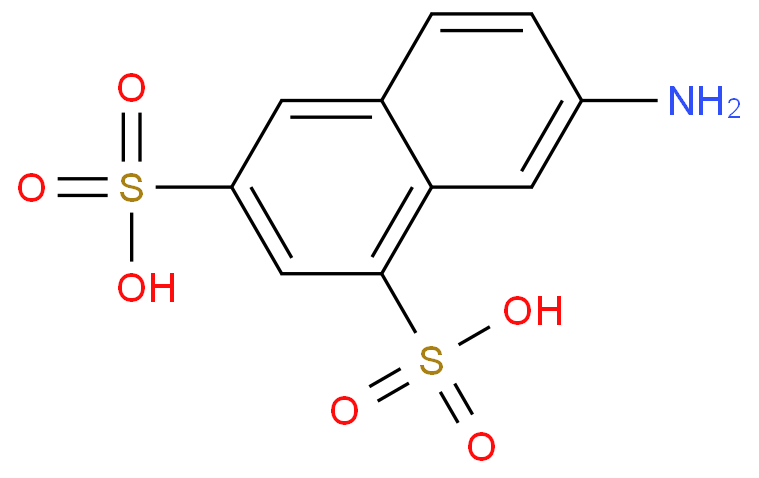
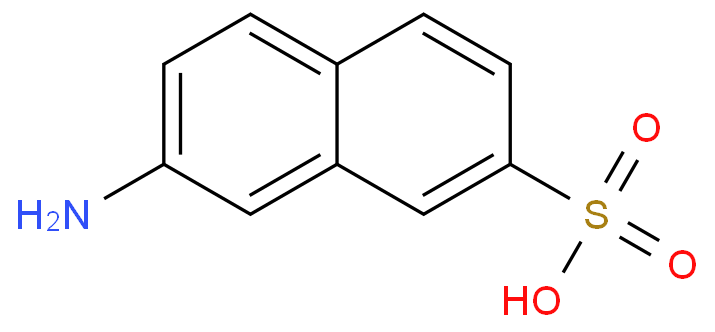
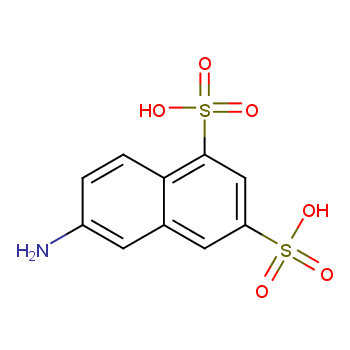
? 2-Aminonaphthalene-1-sulfonic acid , with CAS number of 81-16-3, can be called 1-naphthalenesulfonic acid, 2-amino- ; 2-Naphthylamine-1-sulfonic acid (Tobias acid) ; 2-Naphthylamine-1-sulfonic acid . 2-Aminonaphthalene-1-sulfonic acid (CAS NO.81-16-3) is used as intermediate for pigments, ci pigment 49, 6-amino-1-naphthalenesulfonic acid, 6-amino-1,3-naphthalenedisulfonic acid, eg.
Not classified.
| Pictogram(s) | No symbol. |
|---|---|
| Signal word | No signal word. |
| Hazard statement(s) | none |
| Precautionary statement(s) | |
| Prevention | none |
| Response | none |
| Storage | none |
| Disposal | none |
none
 |
Literatures:
DE392460 ; Fortschr. Teerfarbenfabr. Verw. Industriezweige, vol. 14, p. 405  Yield: null |
|

|
|
 |
 |
 |
 |
 |
 |
 |
Dictionary Language Options: English Deutsch Français Español 日本語 한국어 Português Pусский язык عربي 中文
About Us | Service | Contact Guidechem | Feedback | CAS Index | Chemical Index | Dictionary | New Products | FAQ | Mobile Site Follow Us:Service Tel: +86-571-87759611, Marketing Tel: +86-571-89739798  Whatsapp
Copyright©2010-2026 Guidechem

 EN
EN












 13YRS
13YRS


