-
We detected your language preference as English. Would you like to switch to the English version for a better experience?
Switch to English
Stay here


Acetone, with the chemical formula C3H6O and CAS number 67-64-1, is a widely used organic solvent recognized for its versatility in chemical synthesis and industrial applications. Its molecular structure consists of three carbon atoms, six hydrogen atoms, and one oxygen atom arranged in a characteristic ketone functional group.
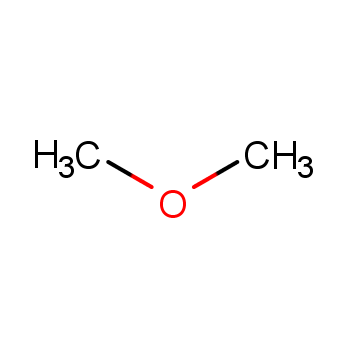
Dimethyl Ether (DME), with the chemical formula C2H6O and CAS number 115-10-6, is an ether compound used primarily as a fuel alternative and propellant. Its molecular structure comprises two carbon atoms, six hydrogen atoms, and one oxygen atom, arranged in a symmetrical ether configuration.
Some people will ask the acetone vs dimethyl ether chemical formula, which will be answered in the following article. Acetone and Dimethyl Ether are two distinct compounds, each with unique chemical and physical properties. The key difference between the two lies in their functional groups—acetone contains a ketone group, while dimethyl ether has an ether group. This distinction plays a crucial role in their respective applications and reactivity.


Acetone synthesis involves complex organic oxidation processes, whereas dimethyl ether production relies on relatively simple catalytic dehydration. These differing methods highlight the diversity in industrial chemical production.

Acetone is widely recognized as a highly effective solvent due to its ability to dissolve a wide range of organic compounds. It is extensively used in industries such as paint and coating manufacturing, where it acts as a primary solvent for removing paint or cleaning brushes. Additionally, acetone is crucial in the production of plastics, particularly in the synthesis of polymethyl methacrylate (PMMA), also known as acrylic.
In the pharmaceutical industry, acetone plays a vital role in drug formulation and synthesis. It is used as an intermediate in the production of medicines and as a solvent for recrystallization to purify compounds. Acetone’s rapid evaporation rate makes it a preferred choice for applications requiring quick drying, such as in cosmetic products like nail polish remover.
Dimethyl Ether (DME) is gaining popularity as an environmentally friendly alternative to conventional fossil fuels. Its clean combustion properties make it suitable for use in diesel engines, reducing emissions and promoting sustainability. DME is also used as a propellant in aerosol sprays, where its low toxicity and non-corrosive nature are advantageous.
Moreover, dimethyl ether serves as a feedstock in the production of chemicals like dimethyl sulfate and various plastics. Its growing role in energy storage and transportation highlights its importance in modern industrial processes.
Both acetone and dimethyl ether are essential in laboratory settings. Acetone is frequently used as a cleaning agent for laboratory glassware due to its ability to dissolve organic residues. In chromatography and other analytical techniques, acetone serves as a solvent for sample preparation and separation processes.
Dimethyl ether, on the other hand, is valuable in cryogenic research and chemical synthesis. Its volatility and reactivity make it a useful intermediate in laboratory experiments, especially those involving organic synthesis and catalysis studies.
Acetone vs dimethyl ether chemical formula has been solved in detail in this paper. Acetone and Dimethyl Ether, while sharing some chemical similarities, cater to distinct industrial needs. Acetone excels as a solvent and precursor in chemical synthesis, while dimethyl ether stands out for its role in sustainable energy and aerosol applications. Understanding these differences allows for optimal utilization in their respective fields.
| Drawback |
Acetone |
Dimethyl Ether |
|---|---|---|
| Flammability | Highly flammable, requiring careful storage and handling | Extremely flammable, especially in gaseous form |
| Toxicity | Low toxicity, but prolonged exposure can cause irritation | Minimal toxicity, but inhalation of high concentrations can be harmful |
If you're looking to purchase these compounds, Guidechem is your go-to platform for sourcing high-quality raw materials and reliable suppliers. With our extensive global network, we connect you to a wide range of Dimethyl Ether suppliers, ensuring you find the right products to meet your specific research or production requirements. Whether you're in pharmaceuticals, food additives, or other industries, Guidechem simplifies the sourcing process, offering verified supplier information, competitive pricing, and seamless communication.
[1]Industrial Applications of Acetone by A. L. Smith.
[2]Clean Energy Alternatives by R. T. Johnson.
[3]Organic Chemistry Principles by P. K. Gupta.
[4]Dimethyl Ether as a Fuel Source in Renewable Energy Journal.
|
 |
 |
 |
|
 EN
EN
 Agricultural News
 Food News
 Industrial News
 Cosmetic News
 Pharmaceutical News
 Science News

 13YRS
13YRS

