-
We detected your language preference as English. Would you like to switch to the English version for a better experience?
Switch to English
Stay here


Eyewear Frame and Lens Materials: Engineering Affordable, Durable Vision Correction
Over 2.2 billion people worldwide live with vision impairment, and in low-resource regions the overwhelming majority have no access to refraction services or affordable spectacles. Programs such as Global Vision 2020's USee kit — a self-refraction system deployable by non-specialists in minutes — demonstrate that closing this gap is not primarily an optical design problem: it is a materials engineering problem. A charitable eyewear program succeeds only when every pair of glasses combines cosmetic acceptance, mechanical durability, hypoallergenic skin contact, and a unit cost low enough for mass distribution. Those four constraints are resolved almost entirely at the level of polymer selection — the frame thermoplastic (cellulose acetate, nylon PA12, polycarbonate, TR-90, PMMA) and the lens substrate (CR-39, polycarbonate, high-index polyurethane).
This technical review examines the chemistry, manufacturing routes, comparative performance, and compliance landscape of modern ophthalmic materials, and explains why specific material choices — lightweight injection-molded frames paired with impact-resistant polycarbonate lenses — are the enablers behind scalable charitable vision programs such as USee, which has fitted users from Mozambique to Cambodia.
| Function | Target Applications | Key Specifications | Compliance Status |
|---|---|---|---|
| Frame material — cellulose acetate (CAS 9004-35-7) | Fashion and donation eyewear fronts, premium temple inserts, colorful zyl frames | Density 1.28–1.34 g/cm3; hardness to acetate spec; unlimited color/pearl effects; plant-derived feedstock | ISO 12870 frame standard; REACH-compliant plasticizers; nickel-free qualification |
| Frame material — engineering thermoplastics (PA12, PC, TR-90) | Mass-distribution charitable eyewear, safety glasses, sports and children's frames, USee-type kits | Density 1.01–1.20 g/cm3; injection-moldable; flex fatigue resistant; hypoallergenic; sub-one-dollar frame cost at volume | ANSI Z87.1 impact classes (PC); ISO 12312-1; FDA 21 CFR 801.410 impact-resistant lenses |
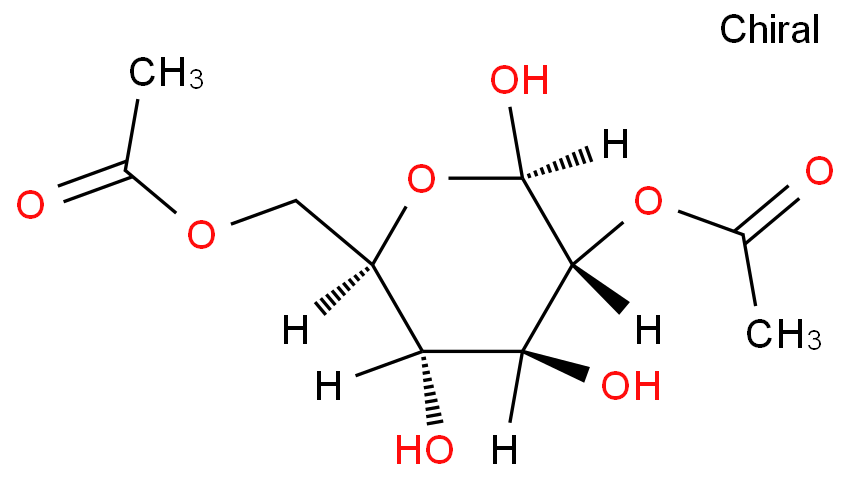
Cellulose acetate (CAS 9004-35-7), still called "zyl" in the trade, remains the benchmark for optical-frame aesthetics. It is produced by acetylating cellulose — most commonly derived from wood pulp or cotton linters — with acetic anhydride in the presence of sulfuric acid catalyst. Full substitution gives cellulose triacetate; controlled partial hydrolysis then adjusts the degree of substitution (DS 2.4–2.5) to yield the thermoplastic diacetate used in frames. The acetylation replaces the hydrophilic hydroxyl groups of cellulose with acetyl ester groups, transforming an infusible hydrogen-bonded network into a melt-processable, solvent-castable polymer with outstanding depth-of-color and gloss.
The residual –OH groups (roughly one per anhydroglucose unit at DS 2.4) give acetate a small but real moisture affinity: frames absorb 1.5–2.5% water at saturation, which plasticizes the material and is why acetate frames must be cold-formed under humidified conditions and why poorly cured acetate warps in tropical climates — a genuine concern for donation eyewear shipped to equatorial regions. Commercial acetate is supplied as laminated block or sheet, pigmented and pearlesced through the polymer mass so colors never peel, then cut, tumbled, and hand-polished into finished fronts.
Bisphenol-A polycarbonate (CAS 25037-45-0), synthesized by the interfacial phosgenation of bisphenol A, owes its legendary toughness to the bulky, rotationally free isopropylidene linkage and the rigid carbonate group along the backbone. This combination yields an amorphous polymer with a glass transition near 150 °C, exceptional ductility (notched Izod typically 650–900 J/m), and optical clarity (transmittance ~88–90%) — the reason polycarbonate is mandated for safety eyewear and dominates lens programs where impact hazard or rough handling is expected. For charitable distribution, where glasses may be dropped, sat on, or fitted to active children, PC lenses self-justify: they do not shatter like CR-39 or PMMA.
Polyamide 12 (nylon 12, CAS 25034-64-2) is built from laurolactam, whose long aliphatic chain (12 carbons) spaces the amide hydrogen-bonding sites far apart. The result is a polyamide with very low moisture uptake (~0.25% at saturation, versus ~9% for nylon 6), excellent flex-fatigue life, and near-density of 1.01 g/cm3 — the lightest ophthalmic frame polymer in common use. TR-90 (a grilamid-type nylon formulation) exploits this same chemistry plus comonomer toughening to deliver "memory" frames that bend and recover; it is the dominant material for sport and low-cost wrap frames. PMMA (CAS 9011-14-7), the original "plexiglass lens" material from the 1930s–40s, survives today mainly in budget readers and as the benchmark for optical clarity (Abbé value ~58, the highest of any lens polymer) but its brittleness has largely displaced it from primary lens duty.
On the lens side, CR-39 — the thermoset made by peroxide-curing diethylene glycol bis(allyl carbonate) (CAS 142-22-3) monomer — remains the world volume leader for prescription lenses thanks to an optimal balance of Abbé value (58), scratch resistance, and dyeability, while high-index thiourethane-based copolymers (n = 1.60–1.74) serve strong prescriptions where edge thickness matters. For an overview of the broader polymer family, see the engineering thermoplastics encyclopedia entry or explore current cellulose acetate supply listings.
Ophthalmic materials divide first by function (frame versus lens), then by polymer architecture: cellulosic semi-synthetics, polyamide thermoplastics, aromatic carbonate thermoplastics, acrylic thermoplastics, and crosslinked thermosets. Each family carries a distinct cost, processing, and performance envelope.
Semi-synthetic esters of natural cellulose. Acetate offers the richest aesthetics — translucency, tortoiseshell layering, pearlescence — and a warm, skin-friendly feel, but requires labor-intensive block cutting and polishing and is the heaviest of the common frame materials. Cellulose acetate propionate (CAP) is injection-moldable, bridging acetate's looks with engineering-polymer productivity. Limitations: moisture-driven dimensional change, plasticizer migration risk if low-grade formulations are used, and slower cycle economics that keep finished acetate frames out of the ultra-low-cost donation bracket.
Long-chain aliphatic polyamides and their amorphous comonomer-modified derivatives (TR-90). They are the workhorses of performance and humanitarian eyewear: 20–30% lighter than acetate, virtually immune to sweat and skin oils, hypoallergenic (no plasticizers, no nickel needed), and capable of thousands of flex cycles without white-creasing. Injection molding at 30–60 second cycles makes sub-one-dollar frames achievable at charitable-program volumes. Limitations: limited deep-color translucency versus acetate, and surface scratch susceptibility that coatings must address.
The default material for safety lenses, children's eyewear, and any application governed by impact standards. Exceptional toughness and heat deflection; moderate optical quality (Abbé ~30) corrected in premium products with aberration-optimized aspheric designs. Limitations: lower scratch resistance (hard-coat mandatory), birefringence from molded-in stress, and yellowing over long UV exposure unless stabilized.
PMMA delivers the best optical fidelity of any ophthalmic polymer but fails impact requirements and is now confined to budget readers and costume eyewear. CR-39 thermoset lenses, cast-cured in glass molds for 16–24 hours, own the global prescription-lens volume: dyeable, scratch-resistant, and inexpensive, but 30–40% heavier than PC and shatter-prone — which is why USee-style and school-screening programs standardize on PC lenses for kids. High-index thiourethane copolymers (n up to 1.74) cut edge thickness for strong prescriptions but carry premium pricing that excludes them from most donation programs.
| Material | CAS / Type | Density (g/cm3) | Impact / Durability | Cost & Processability | Typical Eyewear Use |
|---|---|---|---|---|---|
| Cellulose acetate | 9004-35-7, semi-synthetic ester | 1.28–1.34 | Good; humidity-sensitive, can warp | High unit cost; block-cut, tumble-polished | Fashion fronts, premium donation frames |
| Nylon PA12 | 25034-64-2, long-chain polyamide | 1.01 | Excellent flex fatigue; chemical resistant | Injection moldable; low cost at volume | Lightweight frames, temples, hinges |
| TR-90 (grilamid-type nylon) | Proprietary amorphous PA blend | 1.10–1.14 | Excellent shape-memory, bend-recover | Injection moldable; mid cost | Sports, children's, wrap-style frames |
| Polycarbonate | 25037-45-0, aromatic carbonate | 1.20 | Outstanding (safety-lens class) | Very high-productivity molding | Impact lenses, kids' and safety eyewear |
| PMMA | 9011-14-7, acrylic glass | 1.18–1.19 | Poor (brittle, crazes on impact) | Cheapest optical polymer | Budget readers, costume lenses |
| CR-39 lens thermoset | 142-22-3 monomer, cured ADC | 1.32 | Moderate; shatters under sharp impact | Cast curing 16–24 h; low material cost | Adult prescription lenses |
| High-index thiourethane | Copolymer thermoset, n 1.60–1.74 | 1.30–1.47 | Good, grade-dependent | Premium pricing; excludes most donation use | Strong prescriptions, thin-edge lenses |
For procurement teams evaluating supply chains for a distribution program, current producer and trading listings are available for cellulose acetate suppliers and polycarbonate suppliers.
Whether the target is a boutique acetate collection or a million-pair charitable rollout, the process chain is decided by the frame polymer. The two dominant routes:
Laminated acetate block is sliced into slabs, milled to rough frame blanks, CNC-shaped, barrel-tumbled with wood chips and polishing compounds for 24–72 hours, hand-polished, then fitted with hinges and assembled. Frames must be conditioned at 55–65% relative humidity before cold bending of temples, and curing/annealing for several days after forming stabilizes internal stresses. Cycle time is measured in days; cost per frame in dollars to tens of dollars.
Dried polymer granulate (PA12 dried to below 0.1% moisture; PC dried 2–4 h at 120 °C) is molded at melt temperatures of roughly 200–260 °C for PA12/TR-90 and 280–320 °C for PC, into multi-cavity tools producing frame front and temples in 30–60 second cycles. PC lenses are simultaneously injection-compression molded or cut from sheet, hard-coated by dip or spin application of a siloxane lacquer, thermally or UV cured, then snapped or screwed into frames. Assembly — lens insertion, temple attachment, alignment check — can be performed by trained non-specialists, which is exactly what field-deployable kits like USee exploit: a refraction and fitting in under five minutes per recipient.
| Jurisdiction / Body | Instrument | Scope for Eyewear Materials | Key Requirement |
|---|---|---|---|
| USA — FDA | 21 CFR 801.410 | Impact-resistant lenses (all dress eyewear) | Lenses must withstand a 5/8-inch steel ball drop test or be impact-exempt glass/ plastic per the regulation |
| USA — ANSI | ANSI Z80.1 (dress) / ANSI/ISEA Z87.1 (safety) | Prescription ophthalmic lenses; occupational eye protection | Optical, dimensional, and impact performance classes; high-velocity/high-mass testing for Z87 |
| International — ISO | ISO 12870 / ISO 12312-1 / ISO 21987 | Spectacle frames; sunglasses & climate-series filters; mounted spectacle lenses | Frame fatigue, torsion, and nickel-release limits; sunglass UV and transmittance categories |
| EU | Regulation (EC) 1907/2006 (REACH); EN 166; EN ISO 12312-1 | Chemical safety of frame/lens polymers, coatings, plasticizers; personal eye protection | SVHC declarations, phthalate restrictions, nickel release from metal parts (EN 1811) |
| USA — CPSC | CPSIA (15 U.S.C. 2051 et seq.) | Children's eyewear distributed in US-linked programs | Lead and phthalate content limits in child-contact plastic components |
Program note: charitable eyewear imported into or distributed within a regulated market is not exempt from these instruments; humanitarian kits that pair molded TR-90/PA12 frames with hard-coated PC lenses clear FDA impact, ISO 12312-1, and REACH requirements simultaneously, which is a major reason that material pairing dominates the sector. For background on polymer compliance categories, see the Guidechem materials encyclopedia.
CR-39 (cured allyl diglycol carbonate from CAS 142-22-3 monomer) is an excellent adult lens material but is a thermoset that shatters into sharp fragments under sharp impact. Polycarbonate (CAS 25037-45-0) is inherently ductile and passes high-velocity impact tests required by FDA 21 CFR 801.410 and ANSI Z87.1-class applications. For active children in field settings — and for the liability profile of school-based distribution — PC's toughness plus 30–40% lower weight outweigh its slightly lower scratch and Abbé performance, especially when a siloxane hard-coat is applied.
Qualified yes. Acetate absorbs 1.5–2.5% moisture at saturation, which plasticizes the frame and can relax cold-bent temple curvature over time. Well-cured, high-grade acetate with a DS around 2.4–2.5 and proper annealing performs acceptably; low-grade, under-cured sheet is the classic source of warped donation eyewear. For equatorial deployments, injection-molded PA12 or TR-90 frames with moisture uptake near 0.2% are the safer engineering choice.
TR-90 is a proprietary family of grilamid-type amorphous nylon formulations based on long-chain polyamide chemistry (related to PA12, CAS 25034-64-2). Comonomer modification suppresses crystallinity, producing a transparent, ultra-light (≈1.1 g/cm3), shape-memory thermoplastic that injection molds at high productivity. That combination — acetate-like aesthetics at engineering-polymer cycle times and cost — is why it dominates sport frames and high-volume humanitarian eyewear.
Roughly in order of impact: polymer family (acetate block processing costs dollars per frame; multi-cavity PA12/TR-90 molding achieves sub-one-dollar frames at volume), lens substrate and coating (hard-coated PC is the cheapest compliant impact lens), SKU count (each additional frame size or color multiplies tooling and logistics), and assembly model (snap-fit designs let trained non-specialists fit glasses in the field in under five minutes, as demonstrated by the USee kit). Standardizing one frame family, one lens material, and a minimal size/color palette is the single largest cost lever.
 |
 |
|
 EN
EN
 Agricultural News
 Food News
 Industrial News
 Cosmetic News
 Pharmaceutical News
 Science News

 1YR
1YR


