 EN
EN


Permethrin (CAS 52645-53-1, molecular formula C21H20Cl2O3) is a potent insecticide used in a variety of applications, including pest control for agricultural and veterinary purposes. It is the active ingredient in many insecticide products, including Permectrin II.
While "Permectrin" and "Permethrin" refer to the same chemical compound, the slight variation in spelling typically reflects different brand names or regional differences in nomenclature. Both refer to the same active ingredient, Permethrin, which is widely used in pest control formulations.
Permethrin is a powerful insecticide that affects the nervous system of insects, leading to paralysis and death. It's commonly used to control a wide range of pests, including lice, ticks, fleas, and various agricultural pests. When used as directed, Permethrin is effective in controlling pest infestations in livestock, crops, and homes.
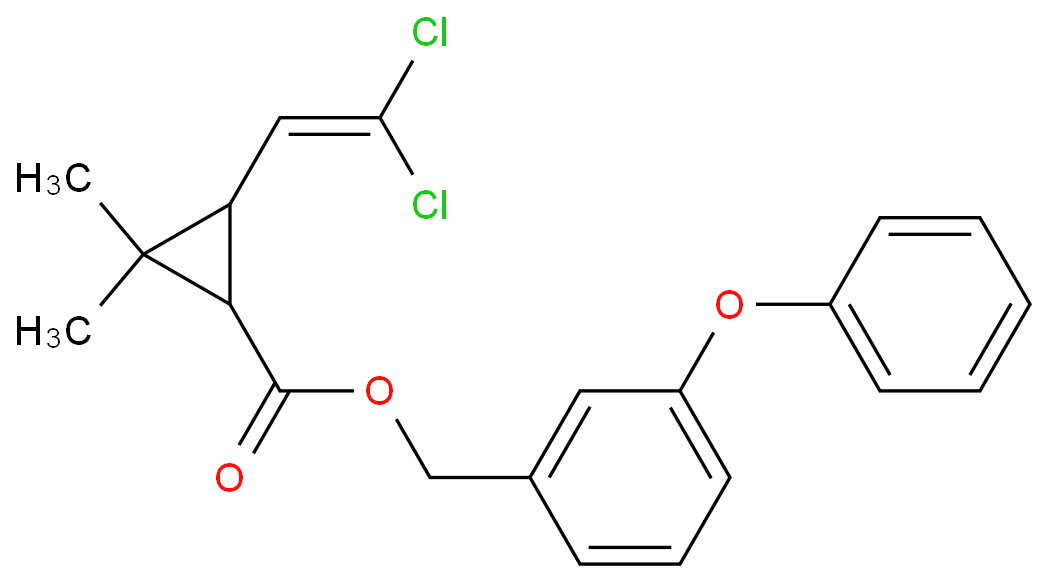
Permethrin (CAS 52645-53-1) is a synthetic pyrethroid, a class of chemicals inspired by the natural insecticidal properties of pyrethrins derived from chrysanthemums. It has a complex chemical structure that consists of a phenyl group, a chlorine atom, an ester functional group, and an alcohol functional group attached to a cyclohexane ring. The chemical formula of Permethrin is C21H20Cl2O3. This structure gives it its insecticidal activity, as it interferes with the nervous system of pests, causing paralysis and death.

Permethrin's structure allows it to interact with the sodium channels in the nerves of insects. When applied, it prevents the normal closing of the channels, causing prolonged nerve signal transmission, which ultimately leads to paralysis in the insect. The presence of two chlorine atoms in its structure enhances its potency and stability as an insecticide. Its ester group contributes to its lipophilicity, allowing the compound to penetrate the lipid membranes of the insect's body.
Permectrin, which contains 10% Permethrin, shares the same structural features as Permethrin itself. It is simply a commercial formulation designed for use in veterinary and agricultural applications. The structural integrity of Permectrin remains the same as that of Permethrin, and the difference between the two lies in the formulation's concentration and intended use.
The chemical stability and efficacy of Permethrin are crucial in ensuring that it remains effective over time, especially in applications such as livestock pest control. Its structure allows it to act as a broad-spectrum insecticide, affecting various pests, including lice, fleas, ticks, and flies.
Permethrin and Permectrin are essentially the same compound, but Permectrin refers to a specific formulation that is commonly used in agricultural and veterinary applications. While Permethrin is the active ingredient in various insecticides, Permectrin II is a commercially available product containing 10% Permethrin. The distinction lies primarily in the concentration of Permethrin and the intended use of the products. Permethrin is a broad-spectrum insecticide, effective against a wide range of pests, while Permectrin II is formulated to target specific parasites that affect livestock and poultry.

Permethrin II is a specialized product that contains 10% Permethrin, designed primarily for use in veterinary and agricultural settings. This formulation is specifically tailored to protect livestock from a wide range of external parasites that can harm animal health and reduce productivity. It is commonly applied to beef cattle, dairy cattle (including lactating cows), swine, sheep, and poultry. The insecticide provides up to 30 days of residual protection against a variety of pests, including horn flies, houseflies, face flies, stable flies, lice, mites, ticks, and other pests listed on the product label.
The application of Permethrin II is essential in managing the health and welfare of livestock. These pests not only cause direct harm to animals but also act as vectors for diseases that can affect both animals and humans. By reducing pest infestations, Permethrin II contributes to improved animal comfort, higher productivity in livestock farming, and a decrease in the spread of zoonotic diseases. Furthermore, its ability to offer long-lasting protection ensures that animals remain safe from pests for extended periods, reducing the need for frequent reapplications.
Permethrin II is designed to be used on and around cattle, horses, and other farm animals, making it versatile in its application. It is often sprayed directly onto the animal's coat, where it can provide effective protection against both flying and crawling insects. It can also be applied to the surroundings, such as barns, stables, and feeding areas, to create an insect-free environment that promotes healthier living conditions for livestock.

As a potent insecticide, Permethrin must be used with caution. Proper handling and application are critical to ensure the safety of both the user and the environment. It is essential to carefully follow all label instructions provided by the manufacturer, which detail the appropriate dosage, method of application, and safety precautions. These instructions are designed to minimize the risks associated with the use of Permethrin while maximizing its effectiveness.
Improper use of Permethrin can lead to various adverse effects, including harm to human health, livestock, and non-target species. For example, Permethrin is toxic to aquatic organisms, so care must be taken to avoid contamination of water sources. Additionally, it is essential to prevent exposure to sensitive individuals, such as pregnant women, children, or pets, as the chemical may cause skin irritation or other health issues in these groups.
To ensure safe and effective use, users should wear protective clothing such as gloves, masks, and goggles while handling Permethrin. It is also recommended to apply the product in well-ventilated areas to avoid inhalation of fumes. After application, hands should be washed thoroughly to remove any residual chemical.
In addition to protecting human health, the use of Permethrin should also account for environmental impact. As a responsible pesticide user, it is crucial to consider its effects on ecosystems, including beneficial insects like bees and pollinators. Using Permethrin according to the manufacturer's guidelines will help minimize any negative consequences, ensuring its safe integration into pest management programs for agriculture and livestock care.
In conclusion, Permethrin and Permectrin refer to the same chemical compound, with Permethrin being the active ingredient in a range of insecticides, including Permectrin II. Both products are widely used to control pests in agricultural and veterinary settings, with Permethrin providing up to 30 days of protection against various pests. It is important to use these products according to safety guidelines to minimize potential risks.
| Side Effect |
Permethrin |
Permectrin |
|---|---|---|
| Skin Irritation | Occasionally, may cause skin irritation or allergic reactions when used improperly | Rare, may cause skin irritation or allergic reactions in sensitive individuals |
| Toxicity to Aquatic Life | Potentially toxic to aquatic life if used excessively or improperly | Potentially toxic to aquatic life if used excessively or improperly |
| Environmental Impact | May have negative environmental effects if not used responsibly | May have negative environmental effects if not used responsibly |
If you're looking to purchase these compounds, Guidechem is your go-to platform for sourcing high-quality raw materials and reliable suppliers. With our extensive global network, we connect you to a wide range of Permethrin suppliers, ensuring you find the right products to meet your specific research or production requirements. Whether you're in pharmaceuticals, food additives, or other industries, Guidechem simplifies the sourcing process, offering verified supplier information, competitive pricing, and seamless communication.
[1]The Chemistry and Toxicology of Permethrin by L. M. Harrington.
[2]Permethrin Use in Agricultural Pest Management in Journal of Agricultural Safety.
[3]Veterinary Applications of Permethrin II by A. K. Nelson.
[4]Effects of Permethrin on Livestock and Environmental Impact in Journal of Veterinary Science.
 |
 |
|
 Agricultural News
 Food News
 Industrial News
 Cosmetic News
 Pharmaceutical News
 Science News

 2YRS
2YRS


