 EN
EN


Tetramethrin, with the chemical formula C19H25NO4 and CAS number 7696-12-0, is a synthetic pyrethroid insecticide commonly used for rapid knockdown of flying and crawling insects. It is widely utilized in household insecticides due to its effectiveness and low toxicity to mammals.
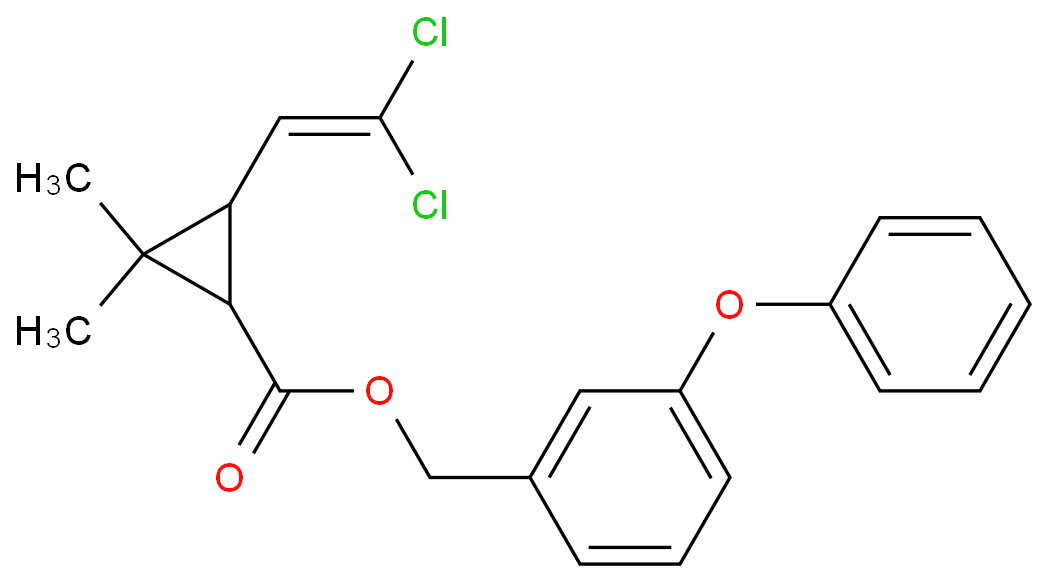
Permethrin, with the chemical formula C21H20Cl2O3 and CAS number 52645-53-1, is another synthetic pyrethroid insecticide, known for its residual activity. It is frequently used in agriculture, public health, and veterinary applications to control pests and as a treatment for lice and scabies in humans.
Tetramethrin and Permethrin are both part of the pyrethroid family, offering effective pest control solutions. The main difference between these two compounds lies in their modes of action and applications—Tetramethrin provides a rapid knockdown effect, while Permethrin offers prolonged residual activity.


The primary difference in their synthesis lies in the choice of acid and alcohol components, which determine the insecticide's volatility and longevity. These structural variations make Tetramethrin ideal for quick action and Permethrin better suited for sustained pest control.
Tetramethrin and Permethrin are widely used synthetic pyrethroids, each serving distinct purposes in pest control and public health. Their applications span across various industries, providing solutions to insect infestations and improving sanitation in both domestic and commercial environments.

Tetramethrin is widely used in aerosol insecticides to achieve quick knockdown effects against flying insects like mosquitoes, flies, and wasps. Its high volatility allows it to act rapidly, disrupting the nervous systems of pests upon contact. This makes Tetramethrin an excellent choice for immediate relief from insect infestations in homes, offices, and commercial spaces.
In addition to its role in household pest control, Tetramethrin is also used in public health campaigns to combat mosquito-borne diseases. Its rapid action helps to reduce vector populations effectively, making it an essential tool in managing outbreaks.
Permethrin is renowned for its long-lasting residual effect, making it a versatile insecticide for various applications. It is widely used in agriculture to protect crops from pests, including aphids, mites, and beetles, ensuring higher yields and reducing the need for frequent pesticide applications. Permethrin's effectiveness in agricultural settings lies in its ability to provide prolonged protection against insect infestations.
In addition to its agricultural uses, Permethrin is extensively employed in public health campaigns for mosquito control. It is a key ingredient in insecticide-treated nets (ITNs) and indoor residual sprays (IRS), both of which are critical tools in combating malaria and other mosquito-borne diseases. Permethrin's residual action ensures sustained insecticidal activity, reducing the frequency of reapplication and improving compliance in disease control programs.
Permethrin is also used in veterinary medicine to control ectoparasites on animals, including fleas, ticks, and lice. Its application in pet shampoos, sprays, and collars helps protect domestic animals from infestations while contributing to improved animal health and hygiene.
While both Tetramethrin and Permethrin are effective insecticides, their applications differ significantly based on their properties. Tetramethrin excels in providing rapid knockdown, making it ideal for immediate insect control in domestic and urban settings. Permethrin, on the other hand, offers long-lasting residual protection, making it a preferred choice for agricultural, public health, and veterinary applications. The complementary nature of these compounds often leads to their combined use in pest control strategies, leveraging the strengths of each for maximum efficacy.
In summary, understanding the specific applications of Tetramethrin and Permethrin allows for their strategic use in pest management. Their distinct properties cater to various needs, from rapid insect knockdown to prolonged protection, ensuring effective solutions across diverse industries.
| Aspect |
Tetramethrin |
Permethrin |
|---|---|---|
| Residual Activity | Limited, requires frequent reapplication | Prolonged, provides long-term protection |
| Environmental Stability | Less stable, degrades quickly in sunlight | Highly stable, withstands environmental conditions |
| Application Range | Effective for indoor use | Suitable for both indoor and outdoor use |
In conclusion, Tetramethrin is best suited for rapid knockdown of pests in residential settings, while Permethrin provides extended control in agricultural, structural, and health-related applications. Selecting the appropriate compound depends on the specific pest management requirements.
If you're looking to purchase these compounds, Guidechem is your go-to platform for sourcing high-quality raw materials and reliable suppliers. With our extensive global network, we connect you to a wide range of Tetramethrin suppliers and Permethrin suppliers, ensuring you find the right products to meet your specific research or production requirements. Whether you're in pharmaceuticals, food additives, or other industries, Guidechem simplifies the sourcing process, offering verified supplier information, competitive pricing, and seamless communication.
[1] Pyrethroid Chemistry and Application by M. Elliott.
[2] Insecticides: Properties and Uses by T. Matsumura.
[3] Advances in Pest Control Technologies in Journal of Agricultural Sciences.
[4] Comprehensive Guide to Synthetic Pyrethroids in Environmental Toxicology Reviews.
 |
|
 |
 Agricultural News
 Food News
 Industrial News
 Cosmetic News
 Pharmaceutical News
 Science News

 2YRS
2YRS


