-
We detected your language preference as English. Would you like to switch to the English version for a better experience?
Switch to English
Stay here


Polycarbonate, with the CAS number 25766-59-0, is a thermoplastic polymer known for its exceptional impact resistance, high transparency, and heat resistance. It's widely used in applications requiring durability and clarity.
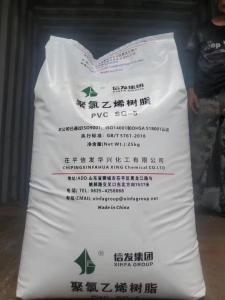
PVC (Polyvinyl Chloride), with the chemical formula (C2H3Cl)n and CAS number 9002-86-2, is a widely used thermoplastic known for its rigidity, chemical resistance, and cost-effectiveness. It finds applications in construction, plumbing, and various other industries.
Polycarbonate and PVC are both versatile thermoplastics, but they possess distinct properties that make them suitable for different applications. The key difference between polycarbonate vs pvc lies in their impact resistance, transparency, and temperature resistance. Understanding these differences is crucial for proper material selection.


Both polycarbonate and PVC are produced through polymerization, but the starting materials and reaction mechanisms are different. The synthesis of polycarbonate often involves hazardous chemicals, while PVC production requires careful handling of vinyl chloride monomer.
The distinct properties of polycarbonate and PVC dictate their usage across various industries. A thorough understanding of these differences, as highlighted in discussions of pvc vs polycarbonate, is paramount for optimal material selection. Examining polyvinyl chloride vs polycarbonate provides key insights for different engineering needs.

Polycarbonate excels in applications demanding high impact strength and optical clarity. Its use in safety glasses, face shields, and riot gear stems from its exceptional resistance to shattering, protecting users from projectiles and impacts. This property is crucial in demanding environments like construction sites and industrial settings. Furthermore, polycarbonate’s high transparency allows for clear visibility, a critical factor in optical applications like lenses for eyeglasses and camera lenses. Its ability to withstand extreme temperatures also allows it to be used for automotive headlight lenses.
Polycarbonate is also prevalent in data storage technology. CDs, DVDs, and Blu-ray discs utilize polycarbonate as their substrate due to its optical clarity and dimensional stability, ensuring accurate data reading. In construction and architecture, polycarbonate sheets are employed for roofing, skylights, and greenhouses. Its high light transmittance allows for natural illumination while providing exceptional impact resistance, protecting against hail and other weather elements. This makes structures safer and more energy efficient. The wide range of polycarbonate use highlights its importance in high-performance applications.
Some additional prominent uses include:
PVC shines in applications where cost-effectiveness, chemical resistance, and durability are key factors. The extensive use of PVC pipes in plumbing and drainage systems showcases its excellent resistance to chemicals and corrosion. It is resistant to acids, bases, and various other substances commonly found in wastewater and industrial effluents, making it an ideal material for underground piping networks and chemical processing plants. PVC's smooth inner surface also minimizes friction, promoting efficient flow of liquids and gases.
In the construction industry, PVC is extensively used for window and door frames, providing excellent insulation and resistance to weathering. It does not rot, corrode, or degrade under harsh weather conditions, making it a low-maintenance choice for building exteriors. PVC siding offers further weather protection and comes in various styles and colors, enhancing the aesthetic appeal of buildings. PVC’s flexibility, especially with the addition of plasticizers, broadens its use in applications such as cable insulation, flooring (vinyl flooring), and even inflatable products like pools and toys. This diverse range proves how invaluable PVC is across many sectors and underscores what to consider when comparing pvc vs polycarbonate in more cost-sensitive or large-scale projects.
Examples also include:
In summary, polycarbonate is preferred for applications requiring high impact resistance, transparency, and heat resistance, while PVC is chosen for its cost-effectiveness, rigidity, and chemical resistance. The choice between polycarbonate vs pvc depends on the specific requirements of the application. When comparing pvc vs polycarbonate, or polyvinyl chloride vs polycarbonate, the application requirements will be the deciding factor.
| Consideration |
Polycarbonate |
PVC |
|---|---|---|
| Cost | Higher | Lower |
| Chemical Resistance | Susceptible to some solvents and alkalis | Good resistance to most chemicals |
| Scratch Resistance | Lower, requires coatings for scratch resistance | Moderate |
| UV Resistance | Can yellow with prolonged UV exposure unless stabilized | Good with additives |
| Environmental Concerns | BPA leaching concerns | Dioxin release during incineration and plasticizer leaching |
If you're looking to purchase these compounds, Guidechem is your go-to platform for sourcing high-quality raw materials and reliable suppliers. With our extensive global network, we connect you to a wide range of Polycarbonate suppliers and PVC suppliers, ensuring you find the right products to meet your specific research or production requirements. Whether you're in pharmaceuticals, food additives, or other industries, Guidechem simplifies the sourcing process, offering verified supplier information, competitive pricing, and seamless communication.
 |
 |
|
 |
 |
 |
 EN
EN
 Agricultural News
 Food News
 Industrial News
 Cosmetic News
 Pharmaceutical News
 Science News


 1YR
1YR

