-
We detected your language preference as English. Would you like to switch to the English version for a better experience?
Switch to English
Stay here


Polypropylene, with the chemical formula (C3H6)n and CAS number 9003-07-0, is a versatile thermoplastic polymer known for its chemical resistance, durability, and relatively low cost. It is widely used in various applications, from packaging to automotive parts.
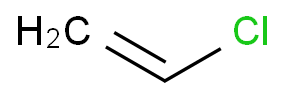
PVC (Polyvinyl Chloride), with the chemical formula (C2H3Cl)n and CAS number 9002-86-2, is another widely used thermoplastic polymer known for its rigidity, durability, and resistance to chemicals and weathering. It is commonly used in pipes, flooring, and window frames.
Polypropylene and PVC are two distinct thermoplastic polymers with different properties and applications. The key difference between polypropylene vs pvc lies in their flexibility, temperature resistance, and applications—polypropylene is more flexible and has a higher melting point, while PVC is more rigid and often used in construction. This polypropylene vs pvc comparison is crucial for material selection.


Both compounds are synthesized through polymerization processes, but the key difference lies in the monomers used—propylene for polypropylene and vinyl chloride for PVC. The synthesis of polypropylene involves carefully controlling the polymerization conditions to achieve the desired polymer properties, while PVC synthesis requires careful handling of the hazardous vinyl chloride monomer.
Polypropylene and PVC are widely used in various industries due to their distinct properties. The choice between polypropylene vs pvc depends on the specific application requirements. Considering polypropylene vs plastic broadly highlights the diverse applications of this specific plastic type.

Polypropylene's exceptional chemical resistance, low density, and fatigue resistance make it a prime choice for numerous packaging applications. In food packaging, polypropylene is used to create containers for yogurt, margarine, and other food products. Its ability to withstand repeated flexing without breaking makes it ideal for hinged containers and bottle caps. Additionally, polypropylene films are used for packaging snack foods and confectionery, providing a moisture barrier and maintaining product freshness. The microwave safe characteristic of some polypropylene grades further extends its utility in food packaging. In industrial packaging, polypropylene is used for crates, pallets, and drums due to its high strength-to-weight ratio and impact resistance.
In the automotive sector, polypropylene's lightweight nature significantly contributes to fuel efficiency. It is used extensively in interior components such as dashboards, door panels, and trim parts. Its resistance to chemicals and moisture makes it suitable for under-the-hood components like battery cases and fluid reservoirs. Furthermore, polypropylene's impact resistance is crucial for exterior parts such as bumpers and fender liners. Its ability to be colored and textured easily provides design flexibility for automotive manufacturers. This detailed look at polypropylene vs plastic clearly shows polypropylene's versatility in key industries. Polypropylene also contributes to automotive recycling efforts as it is commonly marked for recycling programs.
Other notable applications of Polypropylene includes:
PVC's rigidity, durability, and cost-effectiveness make it a staple in the construction industry. PVC pipes are essential for potable water distribution, wastewater management, and irrigation systems. Their smooth interior surfaces minimize friction, ensuring efficient fluid flow. PVC's resistance to corrosion and chemical degradation provides a long service life for piping systems. In building construction, PVC is used for window and door profiles, providing excellent insulation and weather resistance. PVC siding offers durability and low maintenance for building exteriors. Electrical conduit made from PVC protects wiring and provides flame retardancy.
In plumbing applications, PVC is prevalent in drainage and venting systems, thanks to its resistance to chemicals and moisture. PVC fittings, such as elbows and tees, allow for easy assembly and customization of plumbing layouts. The affordability and ease of installation of PVC contribute to its widespread use in residential and commercial plumbing. In comparison, when comparing polypropylene vs pvc for plumbing, PVC often wins due to the pressure tolerance required.
Other key PVC applications:
In summary, polypropylene is most suitable for applications requiring flexibility, chemical resistance, and low cost, such as packaging and automotive interiors. Its ease of processing and versatility make it a widely used material in various industries. On the other hand, PVC is the preferred option for applications demanding rigidity, durability, and resistance to weathering and chemicals, such as pipes and window frames. Both polypropylene vs pvc are valuable materials with distinct properties that cater to different needs.
| Consideration |
Polypropylene |
PVC |
|---|---|---|
| Environmental Impact | Recyclable, but can contribute to plastic waste if not properly managed | Recyclable, but concerns exist regarding the release of dioxins during incineration and plasticizers leaching |
| Temperature Resistance | Higher melting point, suitable for higher temperature applications | Lower melting point, less suitable for high temperature applications |
| Flexibility | More flexible | More rigid |
| Cost | Generally lower cost | Generally higher cost |
If you're looking to purchase these compounds, Guidechem is your go-to platform for sourcing high-quality raw materials and reliable suppliers. With our extensive global network, we connect you to a wide range of PVC suppliers and Polypropylene suppliers, ensuring you find the right products to meet your specific research or production requirements. Whether you're in pharmaceuticals, food additives, or other industries, Guidechem simplifies the sourcing process, offering verified supplier information, competitive pricing, and seamless communication.
[1] Brydson, J. A. (1999). Plastics Materials. Butterworth-Heinemann.
[2] Ehrenstein, G. W. (2001). Polymeric Materials: Structure, Properties, and Applications. Hanser Gardner Publications.
[3] Callister, W. D., & Rethwisch, D. G. (2018). Materials Science and Engineering: An Introduction. John Wiley & Sons.
[4] Strong, A. B. (2006). Plastics: Materials and Processing. Pearson Education.
[6] Folkes, M. J. (2007). Processing of Thermoplastic Polymers. Hanser Gardner Publications.
 |
 |
 |
 EN
 Agricultural News
 Food News
 Industrial News
 Cosmetic News
 Pharmaceutical News
 Science News


 1YR

