Here, the canvas of science is painted with strokes of ingenuity, where the artistry of chemical application flourishes like a vibrant garden in full bloom. Each article and news piece illuminates the path of innovation, casting light upon the ever-evolving landscape of chemical applications.
Nafarelin usesNafarelinNafarelin uses encompass a range of applications, including treatment for various endocrine disorders and certain types of cancer. Understanding these uses helps patients grasp the medication's significance and its potential applications in medical management.
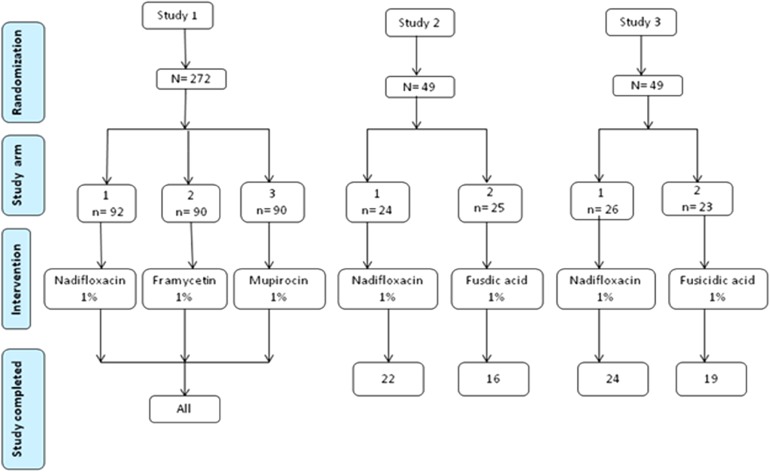
Nadifloxacin: Effective Treatment for Acne and Skin InfectionsNadifloxacinNadifloxacin is a novel topical antibiotic specifically used for treating bacterial skin infections and acne. With its superior antibacterial activity and good tolerability, Nadifloxacin has gradually gained widespread attention in clinical applications.
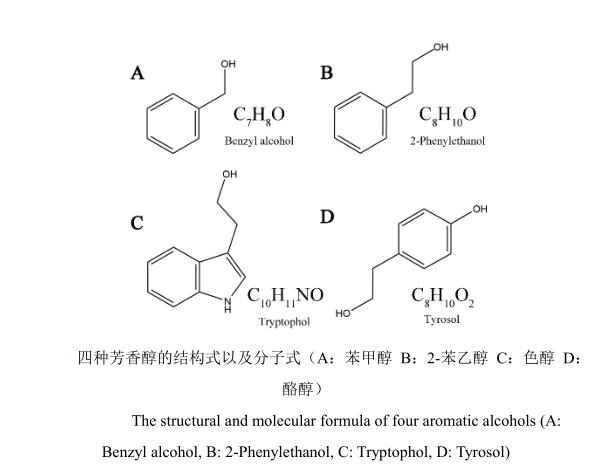
What is Tryptophol used for?TryptopholWhat is Tryptophol used for? Tryptophol is an important organic compound, widely used in chemical, pharmaceutical, and food industries. Its unique chemical properties and biological activity make it play a key role in synthesis and industrial production.
Sodium Tungstate: Uses and ToxicitySodium tungstateSodium tungstate uses as the starting point, Sodium tungstate, an important inorganic compound, plays an indispensable role in industrial production. Its unique chemical properties grant it extensive application prospects, from traditional metallurgy to emerging materials' science.
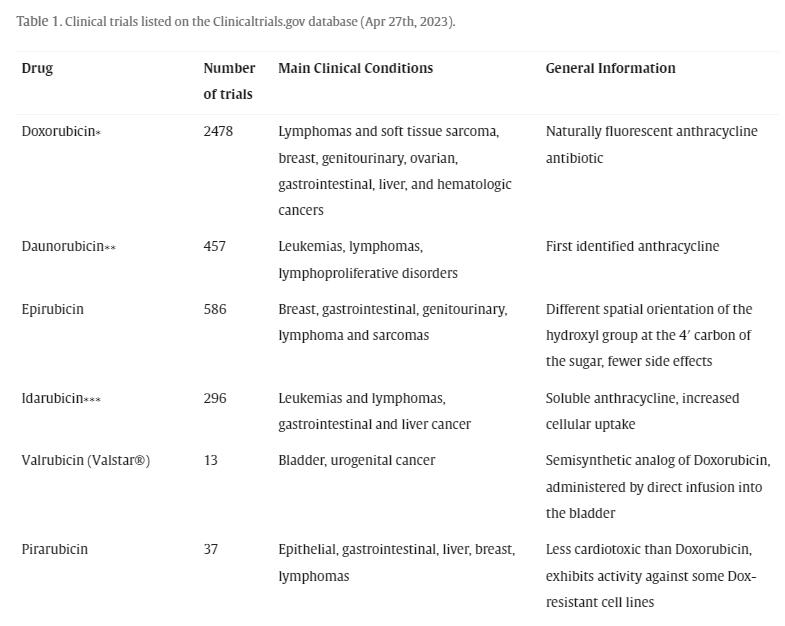
What is Valrubicin used for?ValrubicinWhat is Valrubicin used for? Valrubicin is an antitumor drug used mainly for treating bladder cancer, especially in patients receiving intravesical chemotherapy. Additionally, it is being explored as a potential therapy for other types of cancer due to its ability to inhibit tumor growth.
Tstu mechanism and applicationTSTUTSTU mechanism involves utilizing its unique structural features to react with carboxylic acids, forming highly reactive active ester intermediates. These intermediates then rapidly interact with amines, enabling efficient amide bond coupling.
What is N-Acetylsulfanilyl chloride used for?N-Acetylsulfanilyl chlorideWhat is N-Acetylsulfanilyl chloride used for? N-Acetylsulfanilyl chloride is an intermediate in organic synthesis, playing a crucial role in pharmaceutical synthesis, dye manufacturing, and other industries. Its strong reactivity makes it potentially hazardous and requires careful handling.
What does N-Acetyl-L-Glutamine do?N-Acetyl-L-glutamineWhat does N-Acetyl-L-Glutamine do? N-Acetyl-L-Glutamine (NAG) is a key amino acid derivative gaining attention for its benefits in athletic performance, weight management, antioxidant and anti-inflammatory effects, gut health, and immune support.
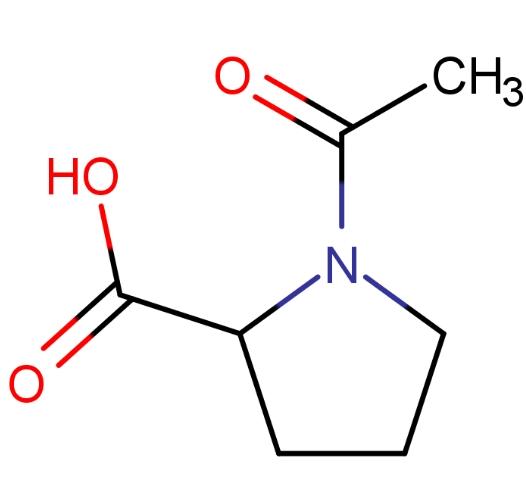
N acetyl l proline usesN-Acetyl-L-prolineN-acetyl-L-proline uses span across multiple fields, demonstrating its potential as an important organic compound. The versatility and broad application prospects of N-acetyl-L-proline have made it a compound that has garnered significant attention in numerous scientific disciplines.
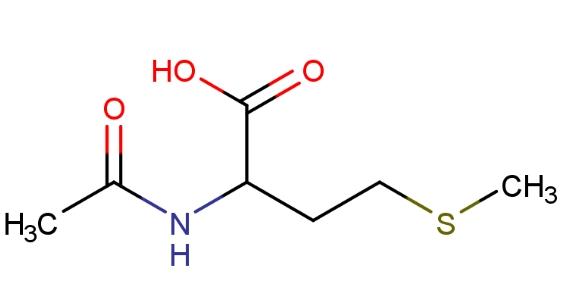
N acetyl l methionine benefitsN acetyl l methionineN-acetyl L-methionine benefits include its role as a functional amino acid that has gained prominence in modern nutrition. Research indicates that it not only promotes liver detoxification also positively impacts the nervous system.







 EN
EN
 Agricultural News
 Food News
 Industrial News
 Cosmetic News
 Pharmaceutical News
 Science News
