-
We detected your language preference as English. Would you like to switch to the English version for a better experience?
Switch to English
Stay here


Acetone, with the chemical formula C3H6O and CAS number 67-64-1, is a powerful solvent that is commonly used for removing nail polish. It is highly effective in dissolving many substances, including nail polish, making it a popular choice for cosmetic and industrial applications.
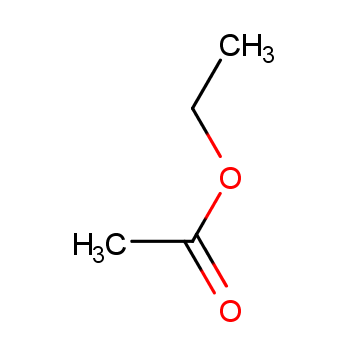
Non-Acetone Nail Polish Remover typically contains ingredients such as ethyl acetate (C4H8O2) or isopropyl alcohol (C3H8O), with ethyl acetate being a common solvent in non-acetone formulations. Ethyl acetate vs acetone, this remover has a gentler effect on nails and skin, but may take longer to remove nail polish effectively.
Acetone and Non-Acetone Nail Polish Remover are two distinct options for removing nail polish, each with its own advantages and disadvantages. The key difference between acetone and non-acetone removers lies in their solvent composition and how they interact with nail polish and the skin.


While both acetone and non-acetone removers contain organic solvents, the key difference lies in their compositions—acetone is a ketone, while non-acetone removers typically rely on esters like ethyl acetate. These structural differences result in variations in their solvent strength and compatibility with different types of nail polish.
Acetone and non-acetone nail polish removers have distinct applications based on their chemical properties and how they interact with the nails, skin, and nail polish. Understanding the differences between the two can help users make the right choice for their specific needs.

Acetone is widely recognized for its quick and powerful action in removing nail polish. It is particularly effective for removing thick or stubborn polish, including gel and acrylic nails. Due to its strong solvent properties, acetone is able to break down the components of the nail polish rapidly, making it the go-to choice for professional nail technicians and those who need to change their nail polish frequently.
However, the strength of acetone comes with a downside—its drying effect on both the nails and the surrounding skin. Prolonged exposure to acetone can cause nails to become brittle and may lead to skin irritation. This makes it less suitable for individuals with sensitive skin or nails that are prone to damage. Acetone should be used with caution, and it is recommended to follow up with a moisturizing treatment for the nails and skin after use.
Non-acetone nail polish removers, often formulated with ethyl acetate, provide a milder approach to nail polish removal. These removers are ideal for individuals with sensitive skin or those who prioritize nail health. While they may take longer to dissolve nail polish, they are less likely to cause dryness or damage to the nails and surrounding skin.
The gentler nature of non-acetone removers makes them particularly suitable for natural nails, as they preserve the nail's integrity over time. These removers are also a safer option for children or individuals with allergies to harsher chemicals. Additionally, they can be used on artificial nails without degrading the material, making them versatile for various nail types.
Non-acetone removers are not limited to nail care; they are often used in household cleaning and as solvents in light-duty applications. Their reduced environmental impact compared to acetone makes them an eco-friendlier choice for conscious consumers.

In summary, acetone is the preferred option for fast and effective nail polish removal, especially when dealing with stubborn or multiple layers of polish. However, its harsh nature can dry out nails and skin, requiring careful aftercare. Non-acetone removers, on the other hand, offer a more gentle alternative, ideal for individuals with sensitive skin or those seeking a less aggressive formula. While they may not work as quickly or effectively on thicker polishes, non-acetone removers are suitable for regular use without causing damage to the nails or skin.
| Side Effect |
Acetone |
Non-Acetone |
|---|---|---|
| Digestive Issues | Rare, may cause mild irritation if ingested | Unlikely to cause digestive issues |
| Skin Irritation | Common, may cause dryness, peeling, or irritation | Rare, less likely to cause skin irritation |
| Effectiveness | Highly effective on stubborn or multiple layers of nail polish | Effective, but slower and less powerful for thick polishes |
| Nail Damage | Can cause nail dryness and brittleness with prolonged use | Unlikely to cause significant nail damage |
| Environmental Impact | May contribute to air and water pollution due to its volatility | Relatively lower environmental impact |
If you're looking to purchase these compounds, Guidechem is your go-to platform for sourcing high-quality raw materials and reliable suppliers. With our extensive global network, we connect you to a wide range of Ethyl Acetate suppliers, ensuring you find the right products to meet your specific research or production requirements. Whether you're in pharmaceuticals, food additives, or other industries, Guidechem simplifies the sourcing process, offering verified supplier information, competitive pricing, and seamless communication.
[1]Acetone and Its Uses in Industry and Cosmetics by R. J. Stevens.
[2]Non-Acetone Removers: A Comparative Study of Solvent Properties by M. A. Roberts.
[3]Health Impacts of Nail Polish Removers: A Comprehensive Review in Journal of Cosmetic Chemistry.
[4]Environmental Effects of Acetone-Based Products in Environmental Science and Technology.
 |
 |
 |
 |
 |
 |
 EN
EN
 Agricultural News
 Food News
 Industrial News
 Cosmetic News
 Pharmaceutical News
 Science News

 1YR
1YR


