-
We detected your language preference as English. Would you like to switch to the English version for a better experience?
Switch to English
Stay here


Carbomer, also known as acrylic acid polymer, Acrysol and Carbopol 940, is a family of synthetic high molecular weight polymers made from acrylic acid. Supplied as lightweight fluffy powders, carbomers swell in aqueous solution after neutralization to build viscosity and give products a highly pseudoplastic rheology, a smooth feel and a clean, transparent appearance.

For cosmetic formulators, the practical questions are not simply whether carbomer can thicken a formula, but how its neutralization requirement, electrolyte sensitivity and pH response interact with the rest of a system, and where it outperforms the alternatives. This guide consolidates those considerations into a practical B2B formulation framework.
| Function | Suitable Users | Core Technical Indicators | Compliance Framework |
|---|---|---|---|
| Thickener and gelling agent | Skincare, hair care and sun care formulators building gels, lotions and serums with clear texture | CAS 9003-01-4 and related numbers; fluffy white powder; neutralized viscosity 40,000–60,000 mPa·s at 0.5% | Considered safe by CIR and regarded as safe to use above 0.5% in the EU |
| Emulsion stabilizer | Formulators preventing water and oil from separating in lotions and creams that must remain uniform over shelf life | Acts as an emulsifier to stabilize and thicken solutions; helps prevent breakdown of emulsion and gel formulas | Counted within the total solids of the formula; no specific cosmetic restriction beyond normal safety review |
| Suspending agent | Developers of pigmented or particulate products such as face packs, sheet masks and toothpaste where solids must stay evenly distributed | Distributes and suspends insoluble solids into liquid, preventing the oil and liquid parts from separating | Applicable to oral care as well as cosmetic formats, subject to the relevant category rules |
| Rheology modifier | Formulators needing highly pseudoplastic flow that thins under shear, aiding spreadability and a rich, creamy feel | Thickens over a broad pH range of about 4.0 to 12.0 and offers excellent suspension in acidic or electrolyte-containing systems | No specific restriction; performance rather than compliance is the limiting factor in challenging systems |
Carbomer is a collective name used for a series of synthetic polymers made of acrylic acid. These lightweight powders turn into a clear gel or liquid when neutralized. They are popular as thickening agents because of their ability to swell, but they cannot swell until they are neutralized by a base that converts them to their salt form, and this is the single most important characteristic a formulator must respect. The base can be added as NaOH, NH4OH or KOH depending on the intended system.
In a finished product, carbomer is valued not just for viscosity but for the quality of the rheology it creates. It imparts highly pseudoplastic behaviour, meaning the gel thins when shear is applied and recovers when the shear stops, which gives products a pleasant spreadability and a rich, creamy sensory profile. Carbomers also provide stain protection and water resistance to materials, and as acid-based polymers they display strong mucoadhesion, particularly at low pH values.
The term "carbomer" should not be read as describing a single chemical entity. It covers a family of related cross-linked polymers that differ in molecular weight, cross-link density and electrolyte tolerance, so two grades bearing the same generic name can behave quite differently. The carbomer polymers are typically compatible with most surfactants, including cationics, but most of them retain some electrolyte and pH sensitivity that must be managed in the formula.
Explore the carbomer technical encyclopedia for additional chemical and application information.
| Parameter | Specification / Description |
|---|---|
| Chemical name | Polyacrylic acid (cross-linked) |
| Common names | Carbomer, acrylic acid polymer, Acrysol, Carbopol |
| Molecular weight | Variable due to cross-linking; the reported repeat-unit figure of 713.1 reflects polymer complexity |
| CAS Numbers | 9003-01-4; also 9007-20-9, 76050-42-5, 9007-16-3, 9007-17-4, 9062-04-8 |
| EC number | 618-347-7 (EINECS 618-435-5) |
| Appearance at 25 °C | Fluffy white, odorless powder |
Carbomer is not used because it performs a single task. Its value is the combination of viscosity building, emulsion stabilization and suspension, and those effects operate through distinct mechanisms that a formulator should understand separately.
As three-dimensional cross-linked microgels, carbomers do not dissolve in water. Instead they swell remarkably after neutralization to form a gel. The unneutralized polymer has a pH of about 2.5 to 3.5, and adding a base such as NaOH, NH4OH or KOH converts the acid groups to their salt form, causing the network to expand and entangle until viscosity rises sharply. This is why a carbomer formula is a two-stage design: dispersion first, then neutralization to the target pH of about 6.5 to 7.
The gelled network gives the product a highly pseudoplastic rheology, thinning under shear and recovering at rest. This behavior supports the suspension of insoluble solids so that pigments remain uniformly distributed and do not sediment over time, and it prevents the oil and liquid parts of an emulsion from separating. It is the reason a carbomer gel can hold particles evenly while still spreading smoothly on application.
Beyond rheology, carbomers provide stain protection and water resistance to materials, and their acid-based chemistry gives strong mucoadhesion, particularly at low pH. These properties underpin applications such as artificial tears and hydrogels studied for wound healing, where the polymer must both hold a shape and interact with a moist surface.
Carbomer polymers are synthesized by free radical precipitation polymerization conducted in organic solvents. The solvents for this process are selected so that the monomers, initiators and other additives are soluble in the reaction medium, but the resulting polymer product is not, which allows the polymer to precipitate cleanly as it forms.
Producing carbomers involves suspending the acrylic acid monomers in water and adding a reactive initiator, which triggers the polymerization and forms the polyacrylic acid chains. These chains are then cross-linked with either a polyfunctional monomer or a polyfunctional crosslinking agent. The resulting product is purified, dried and milled into small particles, and it is supplied as the fluffy white powder familiar to formulators. The cross-linked microstructure that results is the reason the material swells rather than dissolves.
For buyers, the qualification points are the grade and cross-link type, particle size and bulk density, the unneutralized and neutralized pH behavior, and the viscosity yield at a defined solids level. Because two carbomer grades can share a generic name but differ in electrolyte tolerance, the purchasing specification should reference the specific grade rather than the family name alone.
From a formulation perspective, the most relevant comparison is among carbomer and the other rheology modifiers it is commonly substituted for or blended with, rather than among unrelated polymer families. The three commonly discussed groups are the synthetic acrylic thickeners, the natural and semi-synthetic gums, and the associative and inorganic thickeners.
Carbomer belongs to the synthetic acrylic thickener family, which also includes related acrylate-based polymers such as the acrylates/C10-30 alkyl acrylate crosspolymers. Members share the neutralization-driven swelling mechanism and a clean, transparent gel appearance. Carbomer is the traditional workhorse, while the associative acrylates are often selected when greater electrolyte tolerance is needed.
Natural and semi-synthetic gums such as xanthan, guar and cellulose derivatives form a second category. These are typically more electrolyte tolerant and can be used at low pH without neutralization, but they generally give a different, sometimes less transparent and less clean-feeling texture than carbomer. Formulators frequently blend a gum with carbomer to combine the gum's electrolyte robustness with the carbomer's clarity and sensory quality.
Inorganic thickeners such as clays and associative thickeners such as certain polyurethane systems occupy a third category. These work by different mechanisms and are usually selected for very specific effects, such as a matte finish or shear-thinning behavior in surfactant-rich systems. They are complementary to carbomer rather than direct substitutes, and the choice depends on the target aesthetics and the tolerance of the overall formula.
| Parameter | Carbomer | Xanthan Gum | Acrylates/C10-30 Crosspolymer |
|---|---|---|---|
| CAS number | 9003-01-4 | 11138-66-2 | 176429-87-1 |
| Chemical type | Synthetic cross-linked polyacrylic acid; requires neutralization | Natural high molecular weight polysaccharide gum; works without neutralization | Synthetic associative acrylate copolymer; more electrolyte tolerant |
| Gel clarity | High clarity and smoothness after neutralization | Can appear cloudy or slightly opaque depending on the system | Good clarity, often with a slightly different tactile finish |
| Typical dosage | 0.2–1%; as low as 0.1–0.2 wt% in electrolyte-free systems | Usually 0.2–1% depending on the target viscosity | Typically 0.2–1%, often usable in electrolyte-rich systems |
| Electrolyte tolerance | Limited; higher polymer levels needed in electrolyte systems | Good; tolerates salts without loss of thickening | Good; designed to thicken electrolyte-containing systems |
| pH working range | Thickens over about pH 4.0 to 12.0 | Broad, including low pH without neutralization | Broad, with better behavior at low pH in electrolyte systems |
| Key limitation | Requires correct neutralizer and careful dispersion; electrolyte sensitive | Less clean sensory feel and lower clarity than carbomer gels | Different sensory profile; not a drop-in for every carbomer chassis |
| Property | Typical Description |
|---|---|
| Appearance at 25 °C | Fluffy white powder, solid form, odorless |
| pH (undispersed) | 2.5–3.5, reflecting the acidic polymer before neutralization |
| pH (neutralized) | 6.5–7 depending on the amount of alkali added |
| Bulk density | 19.5–23.5 g/100 mL, a light powder that disperses readily when sprinkled |
| Viscosity (0.5%, neutralized) | 40,000–60,000 mPa·s at 20 rpm and 25 °C |
| Solubility | Absorbs water readily, becomes hydrated and swells; swellable in water, glycerin and ethanol |
| Shelf life | About 2 years when stored dry, well ventilated, away from direct light and freezing |
| Function | Typical Applications | Key Formulation Objective |
|---|---|---|
| Emulsion stabilizing and moisturizing | Body lotions, creams, face gels, face packs and sheet masks in skincare | Keep water and oil from separating and absorb moisture for richer, creamier textures |
| Consistency control | Hair styling gels, shampoos and hair serums in hair care | Control stickiness and consistency and make products more spreadable |
| Oral-care thickening | Tooth gel and transparent toothpaste in oral care | Thicken while imparting appropriate rheology and stabilizing other ingredients |
| Sunscreen gelling | Sunscreen gels and other sun care formats where clarity and spreadability matter | Build a clear gel that spreads evenly and holds UV actives in suspension |
Beyond the cosmetic categories, carbomer is also used as artificial tears in ophthalmic products, and hydrogels derived from carbomer have attracted substantial study for use as bandages and aids for wound healing. Formulators should note that carbomer can swell up to 1000 times its original volume when dispersed in water, which underlies both its efficiency at low use levels and the care required during dispersion.
Add the required amount of water to a suitably sized vessel, mix well while creating a vortex if possible, and slowly sprinkle the carbomer into the water. Carbomer polymers wet rapidly on contact with water, so the powder must be sprinkled rather than dumped in, because adding it too quickly causes lump formation and heterogeneous, unusable samples.
Continue mixing until the dispersion is uniform and free of lumps, then reduce the mixing speed to avoid aeration. Entrained air is a common defect in carbomer gels and is difficult to remove once the viscous network has formed, so the mixing protocol should be designed to disperse the powder without whipping air into it.
Continue mixing and add the remaining Phase A ingredients, then the Phase B ingredients, and finally the Phase C ingredients, mixing until uniform between additions. Following the phase order shown in the worked formulation below keeps each component fully incorporated before the next is introduced.
Choose the neutralizer in accordance with the monograph appropriate for the specific carbomer polymer, because an incorrect choice can cause polymer precipitation and gel failure. Triethanolamine and sodium hydroxide are widely used as neutralization media, and the amount added determines the final neutralized pH of about 6.5 to 7 and the resulting viscosity.
The following formulation is an illustrative technical example rather than a universal commercial recipe. Actual ingredient levels must be recalculated according to the stability, sensory and preservation requirements of each project.
| Ingredient | Illustrative Quantity | Technical Role |
|---|---|---|
| Deionized water | Up to 100% | Continuous phase in which the carbomer is dispersed and neutralized |
| Carbomer (Carbopol-940) | 1.00% | Primary thickener and gelling agent, building the pseudoplastic network after neutralization |
| PVP (Luviskol K 30) | 1.80% | Film-forming styling polymer that supports hold in a hair styling gel |
| Triethanolamine (25%) | q.s. | Neutralizer that converts the acid polymer to its salt form and triggers swelling |
| Hydrolyzed jojoba protein | 3.00% | Conditioning agent improving body, gloss and smoothness of hair |
| Polysorbate 20 | 1.50% | Solubilizer aiding incorporation of the oil-soluble Phase B ingredients |
| Ethylhexylglycerin & phenoxyethanol | 0.75% | Preservative system protecting the aqueous gel over shelf life |
Regulatory treatment of carbomer depends on its identity as a high molecular weight polymer and on the intended use of the finished product. A supplier's statement that a material is "cosmetic grade" does not by itself establish compliance in every destination market.
| Market / Framework | Technical Relevance | Compliance Action |
|---|---|---|
| United States FDA | Carbomers are considered safe for use in cosmetics and personal care products and are generally recognized as safe by the FDA. | Confirm the grade and use level are appropriate to the product category and that labelling is accurate. |
| European Union | Carbomer is considered safe to use above 0.5% in cosmetic products, with no specific restriction beyond the general safety framework. | Check the current Cosmetic Regulation Annexes and the INCI declaration for the specific grade used. |
| Cosmetic Ingredient Review (CIR) | CIR considers carbomer safe as an ingredient in cosmetics and personal care products. | Use the CIR assessment as supporting evidence in the product safety dossier. |
| ECHA substance information | Carbomer is registered under the EC number 618-347-7, and multiple CAS numbers correspond to the family of related polymers. | Verify the current registration status and hazard classification for the specific grade before relying on it in supply documents. |
| Occupational handling | Although the finished polymer is safe, carbomer powder is very fine and is toxic when inhaled, so it presents a dust hazard during manufacturing. | Provide local exhaust ventilation and require gloves, eye protection and a mask when handling the powder. |
| Oral-care and ophthalmic uses | Carbomer is used in toothpaste-format oral care products and as artificial tears, which fall under separate product-specific frameworks. | Treat cosmetic, oral and ophthalmic applications as distinct compliance routes rather than one approval. |
Carbomers are safe for use in cosmetics and personal care products and are generally recognized as safe by the US FDA, and the Cosmetic Ingredient Review considers them safe as an ingredient in cosmetics and personal care products. The finished polymer has demonstrated low potential for phototoxicity, photo-contact allergenicity, skin irritation and sensitization at concentrations up to 100%.
The principal hazard is not the finished ingredient but the powder as handled in manufacturing. Carbomer powder is very fine and toxic when inhaled, so wearing gloves, glasses and a mask is recommended when handling carbomer powder during manufacturing. This is an occupational-hygiene issue rather than a consumer-safety concern, and it should be addressed through ventilation, containment and personal protective equipment.
Reported side effects are uncommon and, where they occur, are associated with specific application sites rather than systemic exposure. Eye-related effects such as eye swelling, eye pain, itchy eye, eye redness and increased tear production may affect up to about 1 in 100 people, which is relevant chiefly to ophthalmic or periocular applications. As with any cosmetic ingredient, the product should be evaluated as a whole rather than by the thickener alone.
The two most common causes are insufficient or incorrect neutralization and excessive electrolyte loading. Carbomer cannot swell until it is neutralized to its salt form with the correct base, and even then its viscosity yield falls in systems with high salt or acid-ash content. Verify the neutralizer against the polymer monograph and consider a higher polymer level or an electrolyte-tolerant grade.
Sprinkle the powder slowly onto water that is being agitated, ideally with a vortex, rather than dumping it in. Carbomer wets rapidly on contact, so fast addition traps dry pockets that become lumps. Mix until uniform, then lower the speed to avoid aeration, because entrained air is difficult to remove once the gel has formed.
Commonly 0.2–1% depending on the target viscosity, but in electrolyte-free systems carbomer thickens efficiently at only 0.1–0.2 wt%, which makes it ideal for simple chassis. Skin creams and gels often use 0.5–1%, while hydrating lotions and serums may use 0.2–0.75%, so the exact level should be established by trial on the actual formula.
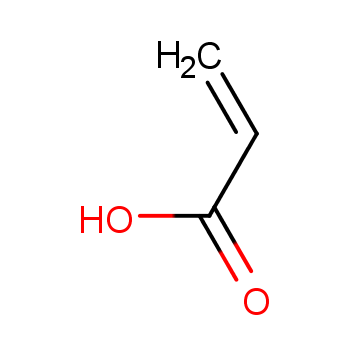
No. Carbomer is a family of high molecular weight cross-linked polyacrylic acid polymers, whereas acrylic acid is the monomer from which it is built. The cross-linked polymer behaves very differently from the monomer: it does not dissolve but swells into a gel, and it is the finished polymer rather than the monomer that is assessed as safe for cosmetic use.
| Identifier | Value | Resource |
|---|---|---|
| Chemical name | Polyacrylic acid (cross-linked) | Technical encyclopedia |
| CAS Number | 9003-01-4 | Chemical dictionary |
| CAS product lookup | 9003-01-4 | Supply search |
| Supplier / trade search | 9003-01-4 | Supplier search |
1. Cosmetic Ingredient Review. Safety assessment of carbomer and related polyacrylic acid polymers.
2. European Parliament and Council. Regulation on cosmetic products and the associated INCI substance framework.
3. U.S. Food and Drug Administration. Guidance on cosmetic ingredients and generally recognized as safe substances.
4. European Chemicals Agency. Substance information for polyacrylic acid and the EC number 618-347-7.
5. European Union. EUR-Lex CELEX:32023R0440 and related cosmetic regulatory updates.
6. Prabhakar Panzade and Prashant K. Puranik. Carbopol Polymers: A Versatile Polymer for Pharmaceutical Applications. Research Journal of Pharmacy and Technology, 2010.
7. PubChem. Compound record for carbomer and related polyacrylic acid grades.
8. ScienceDirect. Technical overview of carbomer chemistry and rheology.
|
 |
 |
 |
|
 EN
 Agricultural News
 Food News
 Industrial News
 Cosmetic News
 Pharmaceutical News
 Science News


 1YR

