-
We detected your language preference as English. Would you like to switch to the English version for a better experience?
Switch to English
Stay here


Chemical Comparison | B2B Procurement Guide
A technical and commercial comparison for procurement, R&D, quality assurance, and formulation teams working with Hyaluronate (salt) and Hyaluronic acid.

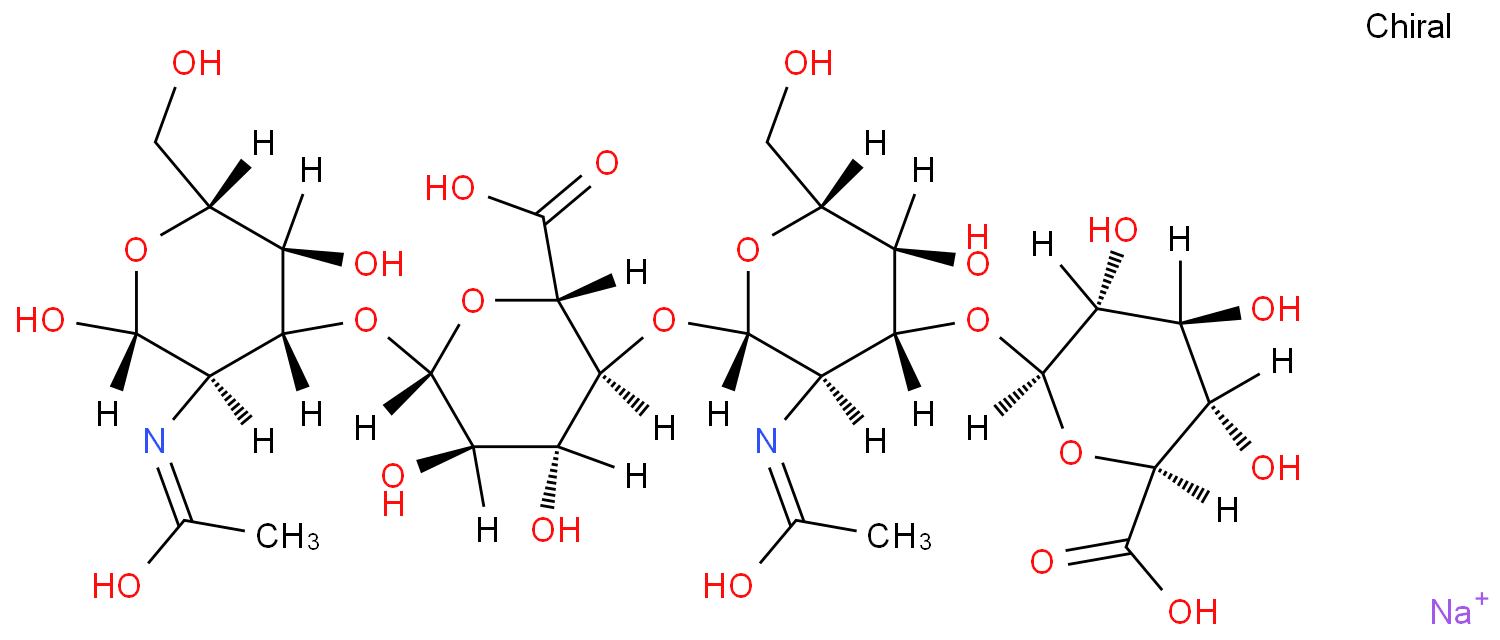
Hyaluronic acid (CAS 9004-61-9) is fermentation (Streptomyson) vs rooster-comb extraction source; molecular weight and rheology define grade (dermal filler vs topical vs oral)., whereas Hyaluronate (salt) (CAS 9067-32-7) is sodium salt of hyaluronic acid; ophthalmic/viscosupplementation grades require endotoxin and protein controls.. The two are distinct entries in purchasing systems and specifications, and the differences below drive how each should be tested, stored and ordered.
The practical difference is one of definition scope: both terms describe related but distinct categories. For ordering and specification purposes, treat each side with its own description, acceptance criteria and documentation set rather than as interchangeable labels.
| Comparison Parameter | Hyaluronate (salt) | Hyaluronic acid |
|---|---|---|
| Identity basis | Defined commercial material: CAS 9004-61-9 | Defined commercial material: CAS 9067-32-7 |
| CAS Registry Number | 9067-32-7 | 9004-61-9 |
| Molecular formula | (C14H21NO11)n disaccharide repeat | (C14H20NNaO11)n |
| Molecular weight | from <10 kDa (hydrolyzed) to several MDa (natural fermentation) | grade-dependent (kDa range is the spec) |
| Distinguishing features | F | S |
| Typical procurement focus | functional grade parameters (MW/viscosity/spec numbers) | functional grade parameters (MW/viscosity/spec numbers) |
Molecular weights are average molar masses rounded for procurement use; descriptor values (TPSA, logP) are computed and vary slightly with software. Complex materials are controlled by functional grade parameters rather than a single molecular weight.
Hyaluronic acid (CAS 9004-61-9) is a commercial material whose identity is defined by its production process and functional grade parameters rather than a single molecular structure: f. Procurement specifications therefore center on the controlling numbers (molecular weight or viscosity, functional group values, composition) and on contaminant limits matched to the use.
Behavior at use: functional performance (viscosity, gel strength, thermal response, activity) replaces molecular constants as the acceptance basis; document the target parameter range before ordering.
Hyaluronate (salt) (CAS 9067-32-7) is a commercial material whose identity is defined by its production process and functional grade parameters rather than a single molecular structure: s. Procurement specifications therefore center on the controlling numbers (molecular weight or viscosity, functional group values, composition) and on contaminant limits matched to the use.
Behavior at use: functional performance (viscosity, gel strength, thermal response, activity) replaces molecular constants as the acceptance basis; document the target parameter range before ordering.
Both terms trace to the same naming root ("hyaluron..."), which is precisely why procurement systems can confuse them. Identity must be fixed by CAS number, molecular formula and an orthogonal confirmatory test — never by name similarity.
Specification implication
A quotation line naming one side while the acceptance criteria belong to the other is the most common mismatch in this comparison; fix the description, the test method and the limit in the same document.
Hyaluronic acid cannot be swapped for Hyaluronate (salt) merely because both appear in the same market segment: identity checks, acceptance numbers and the downstream performance must all be re-validated on the new material.
Hyaluronate (salt) cannot be swapped for Hyaluronic acid merely because both appear in the same market segment: identity checks, acceptance numbers and the downstream performance must all be re-validated on the new material.
Neither side of this comparison should be assumed fit for pharmaceutical, food-contact, cosmetic or regulated uses on the strength of a general grade name. Each regulated application needs its own evidence: a defined specification, exposure assessment, toxicological or compositional dossier, and a manufacturer willing to support the claim with documentation.
Grade names mean nothing without a defined specification, intended use and documented controls; a certificate image on a quotation does not demonstrate compliance for the application you are buying for.
| Industry / Use | Target Grade | Essential Documentation and Checks |
|---|---|---|
| API or regulated drug-substance use (where applicable) | Applicable pharmacopoeial or justified in-house specification | Current specification and batch certificate, GMP evidence, site details, change control, stability, impurity controls and DMF/CEP status where applicable. |
| Pharmaceutical or fine-chemical intermediate | Process-qualified chemical grade | Identity, assay, related substances, residual solvents, traceability and risk-based qualification under confidentiality where needed. |
| Food, feed or cosmetic ingredient (where listed) | Use-specific qualified grade | Ingredient identity confirmation (INCI/food listing), SDS, specification, contaminants assessment and destination-market regulatory review. |
| Research-grade / laboratory use | Defined research grade with stated limits | Identity and assay, relevant bioburden or endotoxin data only where required, lot consistency and documented suitability for the specified assay. |
| Industrial / technical use | Technical grade matched to process tolerances | Key functional numbers (pH, assay, moisture, viscosity/activity), packaging integrity, and supply reliability rather than compendial language. |
Regulatory note: where a pharmaceutical file (DMF/CEP) or compendial monograph applies, it is referenced by a drug application or certifies scope-limited conformity respectively; neither is general proof of quality for research or industrial purchase.
Review the actual methods, reporting limits and acceptance criteria behind every certificate line, selected against the production route and intended use — a generic report tests neither every listed impurity nor every relevant risk.
| QC Attribute | Hyaluronate (salt): Audit Focus | Hyaluronic acid: Audit Focus | Recommended Verification |
|---|---|---|---|
| Identity | the declared material description (CAS 9004-61-9) | the declared material description (CAS 9067-32-7) | Orthogonal identity methods such as FTIR plus a validated chromatographic or spectrometric method, or the marker test named in the specification. |
| Assay & related substances | process-derived contaminants and the functional grade numbers (MW/viscosity/spec values) declared for the product | process-derived contaminants and the functional grade numbers (MW/viscosity/spec values) declared for the product | Validated assay with reporting limit, impurity identification and quantitation justified by route or process. |
| Residual solvents / process residues | declared processing solvents or extraction residues | declared processing solvents or extraction residues | Headspace GC-FID or GC-MS against ICH Q3C limits plus a process-specific solvent risk assessment. |
| Water and inorganic residue | water content, sulfated ash/residue on ignition, counterion balance where ionic | water content, sulfated ash/residue on ignition, counterion balance where ionic | Karl Fischer where appropriate; compendial or validated residue test. |
| Elemental impurities | risk-based metals from catalysts, reagents and equipment | risk-based metals from catalysts, reagents and equipment | ICP-MS/ICP-OES where risk assessment and applicable standards warrant testing. |
| Microbiological / allergen quality | as required by intended application | as required by intended application | Bioburden, endotoxin, pathogen or allergen controls only where justified by the intended use and product specification. |
For regulated purchase, ICH Q3C governs solvent residues: Class 1 solvents (e.g., benzene) should be avoided unless justified and controlled; Class 2 solvents (methanol, acetonitrile, dichloromethane, THF) carry permitted-daily-exposure limits. The correct panel is route-determined — demand a process-based solvent declaration and verify by validated headspace GC.
Process impurities follow the same logic: carryover from earlier steps appears only where the route was disclosed, so the impurity list is a negotiation document, not a formality.
These are risk-based audit targets, not claims about any specific lot; the producer’s validated methods and limits govern.
Procurement warning: a shared "hyaluron" naming root invites substitution errors.
A high-purity lot of the wrong side can arrive when the process actually required the other; quotation review and master-data entry skim over the difference, producing a wrong molar charge, a failed assay or a formulation that cannot perform.
Prevention: put the exact name, identifier (CAS where applicable), grade, specification and intended application on the PO; at incoming inspection reconcile label, certificate, identity test and material master. Never release on a single attribute.
Manufacturing origin alone does not establish capability, compliance or reliability. Qualify the actual production site and distinguish it from a distributor, exporter or repackaging location.
Qualify a second source only after comparing descriptions, methods, impurity/marker profiles, packaging and lead times: a supplier change can alter exactly the characteristics this comparison warns about.
| Control | Procurement Recommendation |
|---|---|
| Primary packaging | Supplier-qualified, tightly closed containers compatible with the material and destination use: HDPE or glass where moisture/light justification exists, with validated liners and tamper-evident closures. |
| Moisture and light | Follow documented protection requirements; do not infer amber-glass or desiccant needs without stability justification. |
| Temperature | Use the specification/label storage range; excursion tolerance should rest on stability data, not on habit. |
| Traceability | Sealed original packaging, batch identification, shipping-condition records where specified, and a documented excursion assessment; for sterile or biologically sensitive uses, qualify additional controls separately. |
Include the following in every request for quotation to reduce mismatches and qualification delays.
B2B Chemical Sourcing
Compare suppliers, request quotations and evaluate batch documentation before committing to a purchase. Fix the identifier and required grade first, then qualify the supplier against your technical and regulatory requirements.
Request current certificates, specifications, impurity methods and regulatory documents directly from shortlisted suppliers. Availability and listing details must be independently verified.
For the molecular side, the CAS number and approved specification define identity; for the category side, the written description and marker test do. A quotation line quoting the other level is the root cause of most disputes in this comparison.
Make incoming inspection test the level the PO named: identity plus assay for substances; description, marker and contaminant limits for categories.
Only if the acceptance test produces the same result for both, which in practice they never do: one term is verified by identity/assay of a substance, the other by description and marker.
Write the specification around the outcome you need to test for, then name exactly one side of this comparison as the contract term.
Use the documented label range and packaging spec as the baseline; apply to the substance side. Treat nitrogen, cold chain and amber containers as claims to be evidenced by stability data, not defaults to be purchased.
Record excursion handling in the shipping agreement: what is acceptable, what is reportable, and what voids acceptance.
A current certificate of analysis from the actual manufacturing site (not a template), the specification with methods and limits, the safety data sheet for the destination market, and identity confirmation by an orthogonal test. For regulated uses add the relevant registration, listing or dossier authorization and a change-notification commitment in writing.
Confirm that the documents cover the exact material, grade and site you are buying; certificates that describe a sister product are the most common near-miss in this comparison.
Editorial and compliance note
This article provides technical and procurement guidance, not a substitute for an approved product specification, regulatory assessment or validated analytical procedure. Cited databases support identification; they do not independently establish a supplier’s grade, compliance status, batch purity or commercial availability. Verify all certificates, listings and current requirements before purchase or publication.
 |
 |
 |
 |
 EN
 Agricultural News
 Food News
 Industrial News
 Cosmetic News
 Pharmaceutical News
 Science News


 13YRS

