In electrical power systems, dibenzyl disulfide (DBDS) is sometimes used as an additive in insulating oil to enhance its antioxidative and anticorrosive properties. However, the decomposition products of DBDS can have adverse effects on the performance of insulating oil, leading to corrosion and deposit formation. Therefore, the detection of dibenzyl disulfide content in insulating oil is crucial to take timely measures to prevent oil degradation.
Background:
Insulating oil is an important insulation medium for oil-filled electrical equipment. The corrosive sulfur in the oil reacts with metal materials such as transformer windings to form Cu2S deposits, affecting the local discharge performance of insulation and shortening the lifespan of electrical equipment such as transformers, seriously affecting the safe operation of the equipment.
With the rapid development of power transmission and transformation projects, domestic scholars have begun to pay attention to oil sulfur corrosion issues and have carried out some valuable research work, such as quantitative detection of corrosive sulfur in transformer oil by copper powder corrosion method, comparative study of GC-MS and High-Performance Liquid Chromatography (HPLC) methods for detecting dibenzyl disulfide (DBDS) in transformer oil, and correlation analysis of charged oil flow and corrosive sulfur concentration. Currently, domestic and foreign quantitative research on corrosive sulfur in insulating oil mainly focuses on the study of the major active substance DBDS in corrosive sulfur. It is believed that quantitative detection of DBDS in transformer oil can accurately reflect the corrosive sulfur content in transformers.
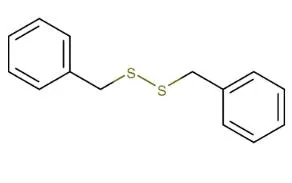
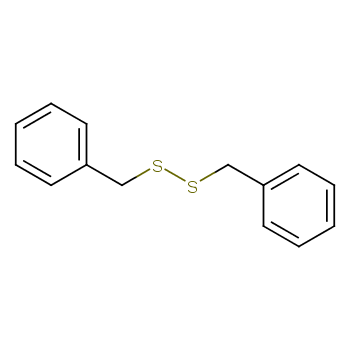
The methods currently used for quantitative detection of DBDS mainly include copper powder corrosion method, gas chromatography, and liquid chromatography. The structure of DBDS is as follows:
How to detect dibenzyl disulfide in insulating oil
Report One:
Yu Dongyang et al. proposed chromatographic conditions for determining the content of DBDS in insulating oil by reverse-phase high-performance liquid chromatography. They established sample pretreatment methods and sample solution detection methods and determined the detection limit and repeatability of the method. Using sample pretreatment methods and sample solution detection methods, they detected insulating oil in 105 operating transformers and reactors with a voltage of 500 kV and found that 12 of them had strong sulfur corrosion in the insulating oil, with DBDS content ranging from 3545 mg/kg. The research results show that reverse-phase high-performance liquid chromatography is suitable for detecting DBDS content in insulating oil, with high sample recovery rate, accurate detection results, and good repeatability.
The instruments and materials used are a high-performance liquid chromatograph from Dionex, equipped with a UV detector; a C18 chromatographic column, 150 mm in length and 4.6 mm in diameter; an electronic balance with an accuracy of 0.0001 g; an electric heating plate, with a temperature range from room temperature to 300°C; a 1 ml glass syringe, with a graduation value of 0.02 ml; 5 ml capacity bottle; 2 ml pipette; 250 ml conical flask; 50 ml beaker, 100 ml beaker; 0.025 ml microsyringe; 1 ml SPE filter plate, thickness 0.2 cm, pore size 10 μm. The optimal chromatographic conditions are a wavelength of 215 nm, a ratio of water to methanol in the mobile phase of 1:4, and a flow rate of 1.0 ml/min.
Report Two:
Xu Ting et al. developed a method for quantitatively detecting corrosive sulfur (dibenzyl disulfide) in insulating oil using high-performance liquid chromatography, which can provide more basis for the condition evaluation of insulating electrical equipment. By using two sample pretreatment methods, methanol extraction and solid-phase extraction, impurities in the oil sample can be effectively separated, resulting in a good linear relationship between the mass concentration of dibenzyl disulfide and the range of 0 to 500 mg/L, with accurate and reliable measurement results, high sensitivity, and good precision. However, the recovery rate of sample pretreatment is relatively low, and specific experimental conditions need further optimization.
The instruments used include a high-performance liquid chromatograph (Waters' 1525 binary pump, 2489 UV detector), a silica gel chromatographic column (Waters, 150 mm × 6 mm, 5 μm), an ultrasonic cleaner (Elmasonic P, Elma), a multi-tube vortex mixer, an electronic analytical balance, an oven, and a solid-phase extraction column (Waters Sep-Pak Vac 1g Alumina-N Cartridges). Chromatographic analysis conditions are as follows: mobile phase: 100% hexane; detection wavelength: 215 nm; flow rate: 1 ml/min; column temperature: 40°C; injection volume: 10 μL.
Report Three:
Wang Yi et al. used the method of IEC 62697-1:2012 "Quantitative determination of dibenzyl disulfide (DBDS) in unused and used insulating liquids - Part 1" to quantitatively determine the DBDS content in commonly used mineral insulating oils at home and abroad. The test results show that except for two imported oil products with DBDS content greater than 5 mg/kg, no DBDS content was detected in other oil products; all test results meet the repeatability requirements of IEC 62697-1:2012 standard. The method concentration test range is 5600 mg/kg, and the detection limit is 2 mg/kg.
References:
[1] Yu Dongyang. Research on the determination method of dibenzyl disulfide content in insulating oil[J]. Heilongjiang Electric Power, 2017, 39(04): 331-334. DOI:10.13625/j.cnki.hljep.2017.04.011.
[2] Xu Ting, Yu Naihai, Zhao Ruxiang, et al. Quantitative detection method for corrosive sulfur in insulating oil[J]. Shandong Electric Power Technology, 2015, 42(12): 50-54.
[3] Zhang Li, Qian Yihua, Su Wei, et al. Research on quantitative detection method of corrosive sulfur dibenzyl disulfide in insulating oil[J]. Insulating Materials, 2015, 48(08): 61-66. DOI:10.16790/j.cnki.1009-9239.im.2015.08.013.
[4] Wang Yi, Ma Lihua, Wang Peng, et al. Determination of dibenzyl disulfide content in mineral insulating oil by gas chromatography[J]. Petroleum Commerce Technology, 2014, 32(02): 73-77.


 EN
EN
 Agricultural News
 Food News
 Industrial News
 Cosmetic News
 Pharmaceutical News
 Science News

 3YRS
3YRS


