-
We detected your language preference as English. Would you like to switch to the English version for a better experience?
Switch to English
Stay here


Dimethyl methylphosphonate (DMMP) is an important organophosphorus compound with widespread applications in various fields such as chemical industry, pharmaceuticals, and materials. By delving into the applications of DMMP, we can better understand its value in different sectors, providing insights and possibilities for further research and applications.
Dimethyl methylphosphonate (DMMP) is a versatile organophosphorus compound with the dimethyl methylphosphonate CAS number 756-79-6. It serves primarily as a flame retardant, adding an additional layer of safety to various materials like furniture and textiles. However, its uses extend beyond fire prevention. In industrial processes, it acts as a defoaming agent, an additive to enhance performance in gasoline, and even as a plasticizer to improve plastic elasticity. These diverse properties make it a valuable industrial tool across many sectors. DMMP is considered a substance of low to moderate hazard, with risks associated with adverse health effects for occupational and consumer use being low to moderate, given proper handling.
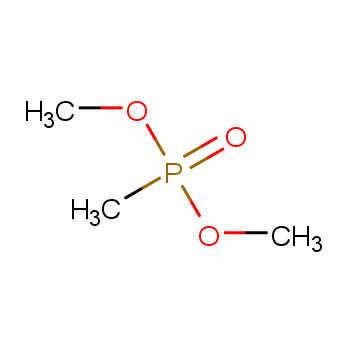
DMMP finds wide-ranging industrial applications. What is dimethyl methylphosphonate used for? Here are some of its most common uses:
These are just a few of the many applications of DMMP. It is also used as a stabilizer, textile finishing agent, antistatic agent, solvent, and low-temperature hydraulic fluid.
While dimethyl methylphosphonate has found good industrial applications, information on upcoming super innovative or breakthrough uses is limited. However, there are some trends worth considering:
(1) Environmentally friendly flame retardants: Research is underway to develop flame retardants with lower toxicity, where DMMP may be part of the solution. Studies on modifying DMMP are ongoing to create versions that are equally effective in fire prevention but with lower environmental impact and health risks.
(2) Multi-functional materials: Scientists are exploring applications where DMMP's flame retardant properties can be combined with other functionalities. For example, incorporating DMMP into fabrics with antimicrobial properties can create self-disinfecting textiles for medical applications.
(1) Consumers: DMMP is primarily used as a flame retardant in consumer products. Consumer exposure to DMMP is likely limited to very low levels in product formulations.
(2) Workers: In industrial settings, production and handling of DMMP are conducted in closed processes as much as possible, minimizing risks to workers' exposure. When exposure is possible, such as during loading, sampling, or maintenance operations, the use of personal protective equipment further reduces DMMP exposure.
(3) Human hazard assessment: DMMP has moderate acute toxicity when inhaled but is not toxic when ingested or applied to the skin. It does not cause skin irritation but can cause severe eye irritation. It is not classified as carcinogenic; however, evidence from extensive genetic toxicity/mutagenicity studies suggests that exposure to it may cause genetic defects. Based on effects observed in male rats after oral and inhalation exposure, DMMP is considered a suspected human reproductive toxicant. It has no effect on developing fetuses.
(1) Consumers: As DMMP is primarily used as a flame retardant in consumer products, the risk of direct consumer exposure to the chemical is negligible, resulting in low risk.
(2) Workers: In industrial settings, where production and handling of DMMP occur mainly in closed processes to limit exposure, occupational health risks associated with DMMP are expected to be low given good manufacturing practices and industrial hygiene standards.
(1) Environmental exposure: DMMP may be released into the environment from plants. While it is handled in a closed, continuous process, occasional controlled exposures may result in its release into the environment. DMMP is primarily used as an intermediate under tightly controlled conditions, thus the possibility of environmental exposure is minimal.
(2) Environmental hazard assessment: DMMP is stable in aquatic environments with low potential for bioaccumulation. Based on its vapor pressure, DMMP is not expected to volatilize from dry soil but is expected to be highly mobile in soil and aquatic environments. It is not expected to adsorb to suspended solids and sediment but is expected to evaporate from water surfaces.
Dimethyl methylphosphonate itself is not a nerve agent. It is a precursor chemical, meaning it can be used to manufacture nerve agents such as sarin and soman. DMMP is associated with infamous events like the 1995 Tokyo subway sarin gas attack, where a cult used sarin to cause mass casualties. These events prompted stricter international regulations. The Chemical Weapons Convention (CWC) is a global treaty that now strictly controls the production, storage, and use of nerve agents and their precursors like DMMP. Countries are obligated to declare and destroy existing stocks, and the CWC has stringent verification mechanisms to prevent proliferation. DMMP does have some toxicity, and exposure through inhalation or skin absorption can be harmful: (1) Exposure to DMMP can cause headaches, nausea, vomiting, diarrhea, and difficulty breathing. (2) In severe cases, contact with high levels of DMMP can lead to respiratory failure and death. (3) If you suspect you have been exposed to DMMP, it is important to seek medical attention immediately.
Due to its toxicity and potential for use in chemical weapons, strict safety measures are crucial when handling DMMP. Here are subdivisions of best practices:
When working with DMMP, wear full-body chemical splash protective suits, chemical splash-resistant gloves made of butyl rubber or Viton (preferred), safety goggles with chemical splash protection, and an approved respirator capable of preventing organic vapor and particulate inhalation. Always check the condition of PPE before use.
Operate DMMP only in well-ventilated chemical fume hoods. Keep containers sealed to minimize dust or mist in the air. All containers should be labeled clearly, and handle with care during transportation. Avoid skin and eye contact, and never ingest DMMP. Thoroughly wash hands after handling PPE and before removing or breaking it.
Develop spill and emergency response plans. Store DMMP in a designated, cool, dry, and secure area, away from heat sources and incompatible materials. In case of a leak, evacuate the area immediately and notify emergency responders. Trained personnel should wear full PPE to handle leaks and use spill kits designed for hazardous substances. If exposed to DMMP, remove contaminated clothing, flush skin or eyes with water for at least 15 minutes, and seek medical attention immediately.
Dimethyl methylphosphonate is a chemical substance with enormous potential and inherent hazards. While its primary function as a flame retardant offers undeniable safety benefits, its versatility extends to various industrial applications. However, its role as a precursor to nerve agents requires strict regulations and responsible use. Looking ahead, continued research to improve the safety of DMMP and explore its potential in novel, sustainable applications such as multifunctional materials is crucial. Through responsible development and stringent safeguards, DMMP can continue to play a valuable role across sectors, with safety and prevention of misuse prioritized.
[1] https://en.wikipedia.org/wiki/Dimethyl_methylphosphonate
[2]https://www.ashland.com/file_source/Ashland/Documents/Sustainability/rc_dimethyl_methylphosphonate_pss.pdf
[3]https://www.researchgate.net/publication/223430762_Dimethyl_methylphosphonate_DMMP_as_an_efficient_flame_retardant_additive_for_the_lithium-ion_battery_electrolytes
[4] https://www.opcw.org/chemical-weapons-convention
[5] https://pubchem.ncbi.nlm.nih.gov/compound/Dimethyl-methylphosphonate
 |
|
 |
|
 |
 EN
EN
 Agricultural News
 Food News
 Industrial News
 Cosmetic News
 Pharmaceutical News
 Science News

 1YR
1YR

