-
We detected your language preference as English. Would you like to switch to the English version for a better experience?
Switch to English
Stay here


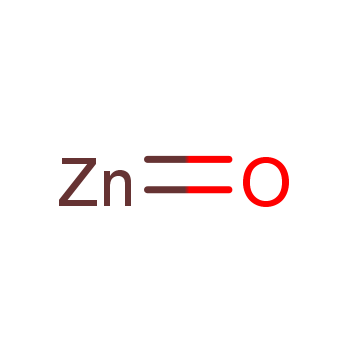
Zinc oxide is a white inorganic compound that plays a crucial role in skincare due to its unique properties and remarkable chemical stability. It has several features and advantages:
(1) Zinc oxide has strong hygroscopic properties, effectively retaining skin moisture and enhancing skin hydration.
(2) It possesses antioxidant and anti-inflammatory properties, improving skin quality, inhibiting the growth of bacteria and fungi, and relieving symptoms of skin conditions like acne and chickenpox.
(3) Zinc oxide promotes wound healing, effectively prevents UV damage to the skin, and guards against sunburn. Therefore, zinc oxide exhibits significant advantages and irreplaceability as a skincare ingredient in improving skin condition, inhibiting the growth of bacteria and fungi, and alleviating symptoms of skin diseases like acne and chickenpox.
Contrary to common misconceptions, zinc oxide itself does not dry out the skin; its interaction is more complex. Although zinc oxide is often associated with sunscreen and skin irritation treatments, its impact on skin hydration depends on various factors such as formulation, concentration, and accompanying ingredients.
Research has revealed zinc oxide's multifaceted role in maintaining skin health by exploring its interaction with the skin barrier. While its sunscreen properties are well-recognized, its benefits extend beyond UV protection.
Studies indicate that zinc oxide also possesses inherent properties that support skin barrier function, aiding in moisturization and overall skin hydration. By elucidating zinc oxide's mechanisms of action, research emphasizes its potential as a versatile ingredient in skincare formulations, enhancing skin elasticity and hydration.
The skin barrier is the protective layer of the skin, shielding it from external irritants and damage. Zinc oxide can reduce moisture evaporation and loss by forming a thin film on the skin surface, while also minimizing external irritants and damage, helping maintain skin's moisture-oil balance and stability.

Skin hydration is crucial for maintaining skin health, and zinc oxide, as a common ingredient in topical skincare products, functions in moisturizing, repairing damaged skin barrier, anti-inflammatory, analgesic, antimicrobial, antiviral, antioxidant, and anti-free radical effects. One of its most significant effects is absorbing moisture from the air, forming a protective film over damaged skin, reducing frictional irritation, and keeping the skin moist, thus exhibiting significant effects in repairing the skin and maintaining skin moisture.
Zinc oxide's effects vary depending on different skin types. For example, when treating conditions like atopic dermatitis, chronic eczema, senile pruritus, and psoriasis, it may lead to mild dehydration. Additionally, zinc oxide may cause slight irritation for certain skin types, such as sensitive skin. Therefore, it's essential to determine the dosage and usage based on individual skin types and medical advice to avoid unnecessary side effects.
Zinc oxide, commonly found in products like sunscreens and diaper rash creams, indeed has drying effects for some individuals. This is because zinc oxide has astringent properties, meaning it can absorb excess oil and moisture from the skin, leaving it feeling dry and tight. Additionally, zinc oxide particles can form a protective barrier on the skin, effectively preventing moisture from penetrating or escaping, leading to dehydration. Although zinc oxide effectively provides sun protection and treats various skin conditions, its drying effects may concern some users.
To minimize the drying effects when using zinc oxide products, several techniques can be adopted:
- Choosing formulations containing moisturizing ingredients alongside zinc oxide can help counteract its drying properties. Look for products containing humectants such as hyaluronic acid, glycerin, or natural oils to maintain skin moisture balance.
- Applying a moisturizer before using zinc oxide products can create a barrier between the skin and the compound's potential drying effects.
- Ensuring adequate hydration by drinking enough water daily can also support skin health and alleviate dryness caused by zinc oxide. By implementing these strategies, individuals can continue to enjoy the benefits of zinc oxide while minimizing its adverse effects on skin hydration levels.
In addition to being a sunscreen ingredient, zinc oxide also provides significant anti-inflammatory, skin-improving, and antimicrobial effects, making it highly beneficial for human health. For instance, zinc oxide aids wound healing and accelerates the repair and regeneration of skin tissues. It is particularly suitable for treating dry skin, especially for patients with dry skin conditions. Zinc oxide can promote wound healing by regulating various aspects of epidermal wound healing, such as inflammation, fibroblast proliferation, and tissue remodeling. It also inhibits the damage caused by Staphylococcus aureus and Candida to the skin. Furthermore, zinc oxide can treat pruritus, which is especially useful for patients with dry skin. Using skincare products containing zinc oxide can help maintain skin moisture, reducing discomfort caused by dryness. Zinc oxide has many health benefits that warrant further research and utilization.
Zinc oxide has astringent properties and can cause mild dehydration to the skin, making it unsuitable for prolonged large-area use. Although zinc oxide's widespread application in cosmetics and sunscreen products offers many benefits, it also poses some potential drawbacks, including skin damage, skin dryness, and even compromising the UV protection function of other ingredients under sunlight. Research suggests that nano-sized zinc oxide can enter the follicular structure through pores, causing damage to the skin. To address these issues, we can optimize zinc oxide skincare routines by:
- Minimizing zinc oxide dosage: Overusing zinc oxide may lead to skin dryness and sensitivity. Especially when using sunscreens, excessive use of products containing nano-sized zinc oxide can compromise the UV protection function of other ingredients, reducing sunscreen efficacy.
- Avoiding the use of nano-sized zinc oxide: Nano-sized zinc oxide may cause greater skin damage. Therefore, when using skincare products containing zinc oxide, it's advisable to choose products without nano-sized zinc oxide.
- Selecting appropriate types of zinc oxide: Zinc oxide comes in two types: regular zinc oxide and active zinc oxide. Regular zinc oxide is not easy to clean and may clog pores, potentially worsening skin issues. Active zinc oxide has better skin absorption and is easier to clean without clogging pores.
- Maintaining cleanliness: After using zinc oxide, proper cleansing is crucial. Especially when using zinc oxide ointments, failure to clean them promptly may lead to pore blockage and worsen skin problems. Therefore, we need to use appropriate cleansers to remove zinc oxide residue.
When using zinc oxide products, adopting proper application techniques is crucial to maximize hydration and efficacy. Firstly, ensure the skin is clean and dry before application to facilitate better absorption. When using zinc oxide-based moisturizers or sunscreens, gently massage the product onto the skin with upward and outward motions, ensuring even coverage. Pay special attention to areas prone to dryness or exposed to sunlight, such as the face, neck, and hands. Additionally, consider layering zinc oxide products with supplemental skincare products (such as hydrating serums or moisturizers) to enhance their moisturizing effects.
Incorporating zinc oxide-containing skincare products into your daily routine can provide additional protection and hydration, making them a recommended choice for maintaining skin health and nourishment.
Zinc oxide is a commonly used chemical substance in cosmetics and skincare products, such as zinc oxide ointment, which is a Class B non-prescription drug mainly composed of zinc oxide and petrolatum. It is mild in nature, hormone-free, and can be used for scenarios like neck rash, diaper rash in children, etc., to inhibit bacteria and relieve itching. However, dermatologists' opinions on the use of zinc oxide are not as "universal" as advertised in skincare product promotions. Zinc oxide cannot truly whiten, exfoliate, remove blackheads, or prevent infections as claimed in advertisements. In the process of using zinc oxide, attention should be paid to some details.
Dermatologists suggest that if you want to use zinc oxide to help treat some skin issues, such as neck rash or diaper rash in children, attention should be paid to the dosage and frequency of use. When using it, follow the doctor's advice, use it reasonably, and avoid excessive long-term use, which may exacerbate skin dryness or even damage the stratum corneum. During the use of zinc oxide, it's also essential to avoid large open wounds or skin lesions with a large amount of exudate and prevent contact with eyes or other mucous membranes.
If your skin tends to be dry or you already have dry skin issues, dermatologists suggest that alongside using zinc oxide, attention should also be paid to moisturizing the skin. For example, before using zinc oxide, basic hydration should be done, such as using moisturizing lotions or creams, which can avoid excessive absorption of moisture by zinc oxide and increase skin tolerance.
Understanding the effects of zinc oxide on the skin is crucial for maintaining skin health and hydration. In this article, we discussed how zinc oxide can cause dryness for some individuals due to its astringent and barrier properties. To mitigate these effects, selecting products containing moisturizing ingredients is crucial, applying moisturizer before zinc oxide products, and ensuring adequate hydration through proper water intake. By making wise choices regarding skincare products containing zinc oxide, readers can better control its potential drying effects, promoting overall skin health and hydration.
[1] MD Newman, Stotland M, Ellis J I. The safety of nanosized particles in titanium dioxide- and zinc oxide-based sunscreens. Journal of the American Academy of Dermatology, 2009: 685-692.
[2] Qi Xin, Wang Lingjie, An Danghua, Xie Jingsheng. Analysis of the efficacy of different treatment methods in early dental fissure. Gansu Science and Technology, 2021, 37(07): 158-160+151.
[3] https://pubchem.ncbi.nlm.nih.gov/compound/14806
[4] Shu Chang. Zinc oxide ointment is not a "panacea" for dermatology. Jiangsu Health Care, 2016, (19): 30.
[5] Shu Chang. Zinc oxide ointment is a "versatile" skin cream. Health Expo, 2016, (06): 50-51.
 |
 |
 |
 |
 |
 |
 EN
EN
 Agricultural News
 Food News
 Industrial News
 Cosmetic News
 Pharmaceutical News
 Science News

 1YR
1YR

