This article will delve into the side effects of dofetilide, helping individuals understand the potential risks associated with this medication. While dofetilide is effective in managing certain arrhythmias, a comprehensive exploration of its negative effects is crucial. By fully understanding the potential side effects of dofetilide, individuals can make informed decisions regarding their treatment and mitigate the risks associated with its use.
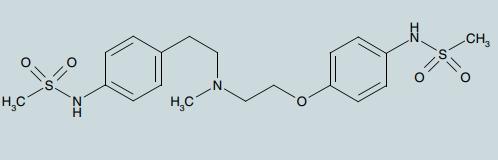
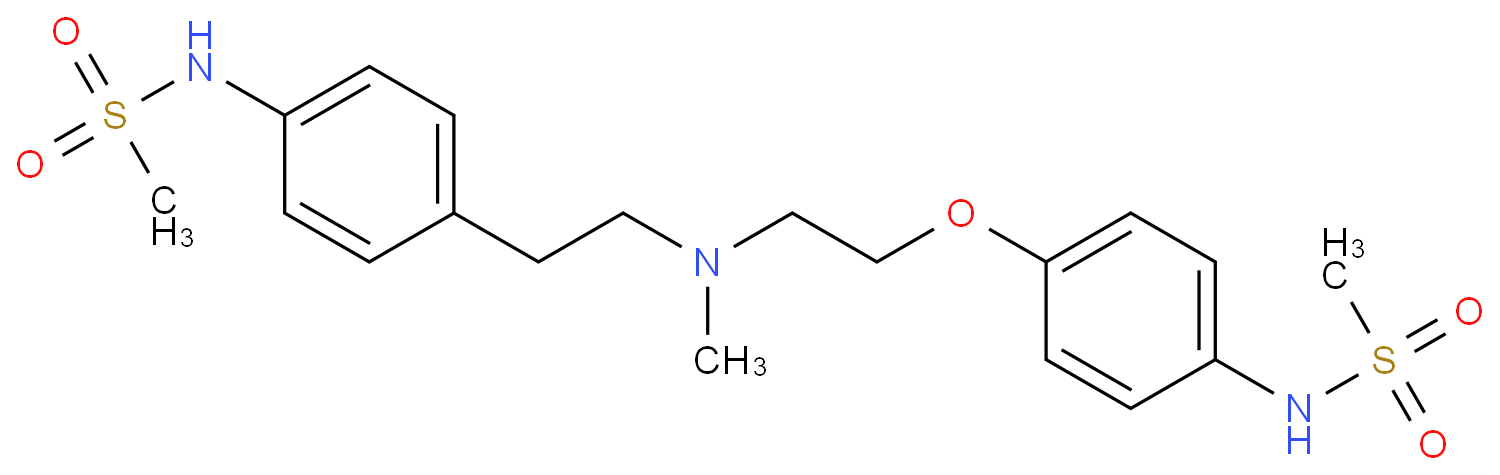
Dofetilide is a class III (prolongation of cardiac action potential duration) antiarrhythmic drug used to maintain normal sinus rhythm. Dofetilide increases the monophasic action potential duration in a predictable, concentration-dependent manner primarily due to delayed repolarization. Across several orders of magnitude of concentration, dofetilide blocks only IKr without associated blocking of other repolarizing potassium currents (e.g., IKs, IK1). Clinically relevant concentrations of dofetilide have no effect on sodium channels (associated with class I). The structure of dofetilide is as follows:
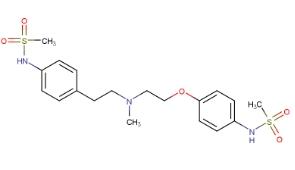
Dofetilide acts by selectively blocking the rapid component of the delayed rectifier outward potassium current (IKr). This leads to an increase in the refractory period of atrial tissue, thereby demonstrating efficacy in treating atrial fibrillation and atrial flutter.
Dofetilide does not affect dV/dTmax (phase 0 depolarization upstroke slope), conduction velocity, and resting membrane potential.
QT interval and corrected QT interval (QTc) are increased dose-dependently. Therefore, many practitioners initiate dofetilide therapy only in patients undergoing telemetry monitoring or those who can undergo continuous electrocardiographic measurements of QT and QTc.
Headache (11%)
Chest pain (10%)
Dizziness (8%)
Insomnia (4%)
Respiratory tract infection (7%)
Shortness of breath (6%)
Rash (3%)
Flu-like syndrome (4%)
Back pain (3%)
Ventricular tachycardia (3-4%)
Torsades de pointes (3% in heart failure patients, 0.9% in recent myocardial infarction patients)
Nausea (5%)
Diarrhea (3%)
Atrioventricular block, QTc prolongation, Torsades de pointes, Ventricular arrhythmia
Difficulty sleeping
Hepatic impairment
Cough
Abnormal sensation
Vasogenic edema
This is not an exhaustive list of side effects, and other side effects may occur. Call your doctor for medical advice about side effects.
Torsades de pointes is the most severe side effect of dofetilide therapy. The incidence of torsades de pointes ranges from 0.3-10.5% and is dose-related, with higher doses associated with increased incidence. Most torsades de pointes episodes occur within the first three days of initial dosing. Patients should be hospitalized and monitored during the first three days after initiating dofetilide.
Preventive measures at the start of treatment, such as hospitalization for at least three days with continuous creatinine measurement, telemetry, and cardiac resuscitation, can reduce the risk of inducing torsades de pointes.
Approximately 80% of a single dose of dofetilide is excreted in urine, with about 80% being excreted unchanged and the remaining 20% composed of inactive or minimally active metabolites. Renal elimination involves glomerular filtration and active tubular secretion (via the cation transport system, a process inhibited by cimetidine, methimazole, prochlorperazine, metoclopramide, ketoconazole, and trimethoprim). In vitro studies on human liver microsomes suggest that CYP3A4 can metabolize dofetilide, but with low affinity for this isoenzyme. The following drugs are known to have significant interactions with dofetilide by inhibiting renal elimination:
- Cimetidine
- Verapamil
- Ketoconazole
- Methimazole used alone or in combination with sulfamethoxazole
- Prochlorperazine
- Metoclopramide
- Trimethoprim
- Hydrochlorothiazide used alone or in combination with other drugs
Do not consume grapefruit or grapefruit juice while using this medication. Grapefruit and grapefruit juice may alter the amount of this medication absorbed in the body.
Avoid taking other medications unless discussed with your doctor. This especially includes potassium supplements or potassium-containing salt substitutes, or certain diuretics (such as amiloride, spironolactone, triamterene).
Other drugs may interact with dofetilide, including prescription and over-the-counter medicines, vitamins, and herbal products. Inform every healthcare professional of all medications you are currently taking, as well as any you start or stop.
Dofetilide is a medication used long-term to maintain normal heart rhythms (sinus rhythm) and prevent irregular heartbeats such as atrial fibrillation or atrial flutter from recurring. During your dofetilide regimen, your doctor will closely monitor your condition as this medication can potentially cause a serious side effect called torsades de pointes, an abnormal heart rhythm. Here are a few other points to consider about long-term use of dofetilide:
(1) The duration of dofetilide use depends on your individual circumstances and how the medication affects you.
(2) Your doctor may need to perform regular blood tests to check your electrolytes and kidney function as these can affect how dofetilide works in your body.
(3) It's important to inform your doctor of all other medications you are taking, including over-the-counter medications and supplements, as some drugs may interact with dofetilide.
If you have any questions or concerns about long-term dofetilide use, be sure to consult your doctor.
Due to its potential side effects, particularly torsades de pointes, dofetilide may be considered a high-risk medication. This is why it is typically monitored in a hospital setting.
Anxiety is not a common side effect of dofetilide. However, dizziness, a listed side effect, may sometimes be mistaken for anxiety. If you experience anxiety during dofetilide use, consult your doctor.
Gastrointestinal bloating is a less common side effect of dofetilide.
It is not currently known, but liver damage is not a reported side effect of dofetilide.
This depends on individual circumstances. Both amiodarone and dofetilide are effective medications for treating arrhythmias, but they have different side effects and modes of action. Your doctor will determine which medication is best suited based on specific needs and medical history.
In conclusion, while dofetilide plays a significant role in treating arrhythmia diseases such as atrial fibrillation and atrial flutter, it also carries some potential side effects and risks. Some common side effects of dofetilide include worsening arrhythmias, dizziness, and fatigue, while severe side effects may include cardiac arrest or sudden cardiac death. When using dofetilide, patients should closely monitor their body's response and promptly report any adverse symptoms to their doctor. If severe side effects or adverse reactions occur, seek immediate medical attention and consult a professional doctor. Close collaboration with medical experts is crucial in treating arrhythmia conditions. If you have any questions about dofetilide side effects or need further information, be sure to consult your doctor.
[1] https://www.cigna.com/knowledge-center/hw/medications/dofetilide-d04459a1
[2] https://labeling.pfizer.com/
[3] https://www.ncbi.nlm.nih.gov/books/NBK459154/
[4] https://go.drugbank.com/drugs/DB00204
[5] https://reference.medscape.com/drug/tikosyn-dofetilide-342298
|
 |
 |



 3YRS
3YRS