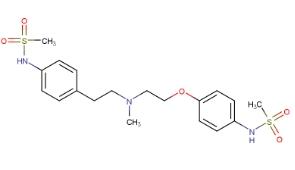
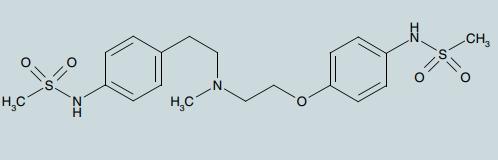
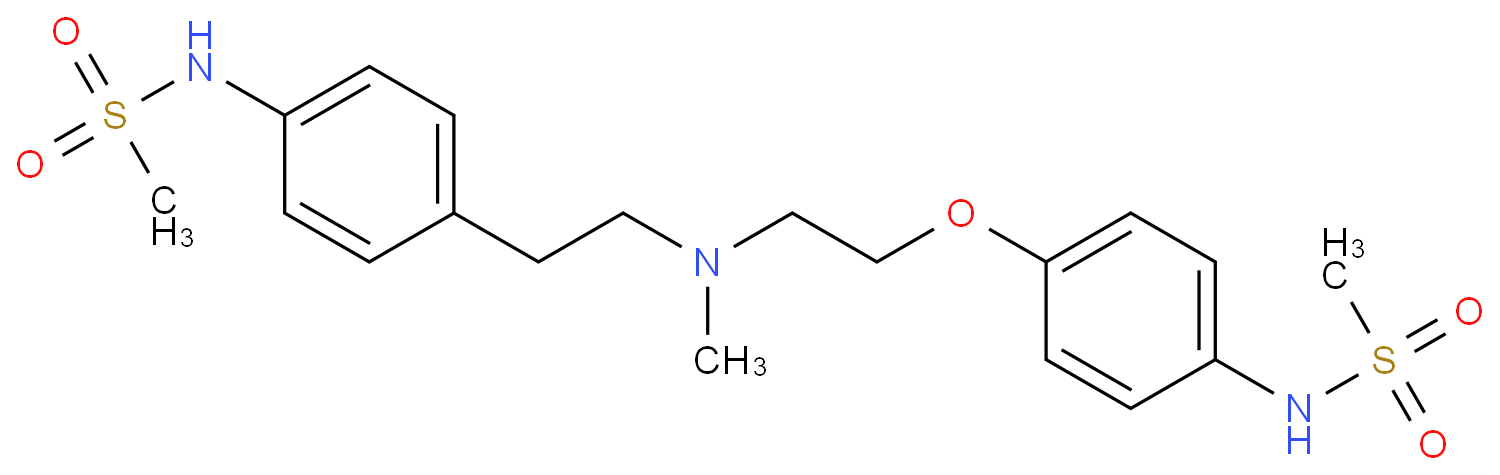
Dofetilide is an antiarrhythmic medication commonly used to treat arrhythmias such as atrial fibrillation and atrial flutter. It works by regulating cardiac electrical activity to restore normal rhythm, helping patients alleviate symptoms and improve quality of life. In this article, we will explore the primary uses of dofetilide and its clinical applications.
Dofetilide is a relatively new class III antiarrhythmic drug that selectively blocks the rapid component of delayed rectifier potassium ion channels in the heart. This results in prolonged action potential duration and effective refractory period, terminating reentrant ventricular tachycardias and preventing their reinduction. Oral dofetilide effectively converts atrial fibrillation and flutter to sinus rhythm and can maintain sinus rhythm after conversion. The drug is generally well tolerated, but like other similar antiarrhythmic drugs, treatment may lead to torsades de pointes. This risk can be minimized by adjusting the dose based on creatinine clearance and QTc interval, selecting patients without known torsadogenic risk factors, and starting treatment in a monitored hospital setting for the first 3 days. Unlike other antiarrhythmic drugs, oral dofetilide does not increase the mortality rate of patients with recent myocardial infarction or congestive heart failure, making it significant as an alternative for pharmacologic conversion of atrial fibrillation and flutter and for maintaining sinus rhythm in high-risk patients post-conversion. The medication should be stored in a tightly closed container at room temperature, away from heat, moisture, and direct light, and should not be frozen.
What type of antiarrhythmic is dofetilide? Dofetilide (brand name Tikosyn) is classified as a class III antiarrhythmic drug. Class III antiarrhythmic drugs act by prolonging the action potential duration of myocardial cells. The action potential is the electrical signal that causes your heart muscle to contract. By prolonging this signal, class III drugs make it more difficult for abnormal electrical impulses to trigger chaotic heartbeats. Here is a comparison of dofetilide (class III) with drugs of other classes:
(1) Class I (sodium channel blockers): These drugs are effective against a wider range of arrhythmias but may weaken the pumping ability of the heart.
(2) Class II (beta-blockers): Primarily used to control heart rate and reduce cardiac workload. They can help treat arrhythmias triggered by hypertension or increased adrenaline.
(3) Class IV (calcium channel blockers): Similar to beta-blockers, they help regulate heart rate and are sometimes used for arrhythmias.
Choosing the right antiarrhythmic drug depends on the specific type of arrhythmia and the patient's individual health factors. The effectiveness of dofetilide in treating atrial fibrillation/flutter requires careful use and close monitoring.
What is dofetilide used for? Dofetilide is used to maintain sinus rhythm in individuals prone to atrial fibrillation and flutter and is employed for chemical cardioversion from atrial fibrillation/flutter to sinus rhythm.
According to the results of the Danish Investigations of Arrhythmia and Mortality ON Dofetilide (DIAMOND) study, dofetilide does not affect the mortality rate of patients with left ventricular dysfunction after myocardial infarction, but it can reduce all-cause hospital readmissions and those related to CHF. Due to the findings of the DIAMOND study, some physicians use dofetilide to suppress atrial fibrillation in patients with left ventricular dysfunction. However, its use seems limited: after initially receiving marketing approval in Europe in 1999, Pfizer voluntarily withdrew the approval in 2004 for commercial reasons and did not register it in other first-world countries.
It has clinical advantages over other class III antiarrhythmic drugs in chemical cardioversion of atrial fibrillation and maintenance of sinus rhythm, and lacks the pulmonary or hepatic toxicity of amiodarone. However, while atrial fibrillation is generally not considered life-threatening, dofetilide increases the incidence of potentially life-threatening arrhythmias compared to other treatments.
Combining verapamil, hydrochlorothiazide (alone or in combination with amiloride), cimetidine, methimazole (alone or in combination with sulfamethoxazole), or ketoconazole with dofetilide is prohibited because each of these drugs significantly increases dofetilide's peak plasma concentration (Cmax). Cimetidine 400 mg twice daily reduces dofetilide renal and hepatic clearance. Similarly, ketoconazole (400 mg/day) and verapamil increase Cmax by 53% and 42%, respectively. Additionally, verapamil increases dofetilide's absorption rate (by increasing gastrointestinal blood flow), thus shortening the time to peak concentration. Patients receiving dofetilide therapy should not use other known renal cation transporter system inhibitors (such as prochlorperazine and metoclopramide) (as shown in the table below). Moreover, CYP3A4 isoenzyme inhibitors should be used cautiously with dofetilide as they may potentially increase dofetilide levels. Dofetilide is not an inhibitor of the P450 isoenzymes and is not expected to increase levels of drugs metabolized by CYP3A4. Dofetilide has no significant effect on the pharmacokinetics of digoxin, warfarin, propranolol, theophylline, phenytoin, or oral contraceptives.

Take this medication exactly as directed by your doctor. Do not take more or less of it, and do not take it more often than your doctor ordered. This medication works best when there is a constant amount in the body. To help keep the amount constant, it is best to take the dose at the same time every day. The amount of medicine that you take depends on the strength of the medicine. Also, the number of doses you take each day, the time allowed between doses, and the length of time you take the medicine depend on the medical problem for which you are using the medicine. If you miss a dose of this medicine, skip the missed dose and go back to your regular dosing schedule. Do not double doses. What if you accidental extra dose of dofetilide?
Accidentally overdosing on dofetilide can be serious. Dofetilide is a medication used to treat certain heart rhythm problems. Overdosing can lead to a serious arrhythmia called torsades de pointes (TdP), which is an irregular heartbeat. Symptoms of overdosing on dofetilide may include:
Fast or slow heart rate
Feeling lightheaded or fainting
Dizziness
Shortness of breath
Chest pain
If you think you or someone you know has taken an extra dose of dofetilide, what should you do:
Call your local emergency number immediately.
If possible, remain calm and gather as much information about the medication as possible, including the dosage and amount taken.
Do not give the person any food or drink.
Stay with the injured person until help arrives.
In summarizing the uses of dofetilide, we can see its important role in treating arrhythmia diseases such as atrial fibrillation and atrial flutter. However, using dofetilide requires caution as it may cause serious arrhythmias and other adverse reactions. Before considering dofetilide, it is essential to consult a cardiologist or physician for personalized treatment advice and monitoring. By collaborating with medical experts, you can better understand the applicability and potential risks of dofetilide, ensuring the safe and effective management of arrhythmia conditions. If you or your loved one experience symptoms of arrhythmia or need further information on the uses of dofetilide, be sure to seek advice and guidance from a professional doctor.
[1] https://en.wikipedia.org/wiki/Dofetilide
[2] Roukoz H, Saliba W. Dofetilide: a new class III antiarrhythmic agent. Expert review of cardiovascular therapy, 2007, 5(1): 9-19.
[3] https://www.mayoclinic.org/drugs-supplements/dofetilide-oral-route/precautions/drg-20063516
[4] https://www.drugs.com/drug-interactions/dofetilide,tikosyn.html
 |
|
 |



 3YRS
3YRS