-
We detected your language preference as English. Would you like to switch to the English version for a better experience?
Switch to English
Stay here


While dorzolamide is effective, it also comes with side effects. Let's explore these potential drawbacks to help you make informed treatment decisions. In this review, we'll break down the side effects of dorzolamide to give you a clear understanding of its risks and benefits.
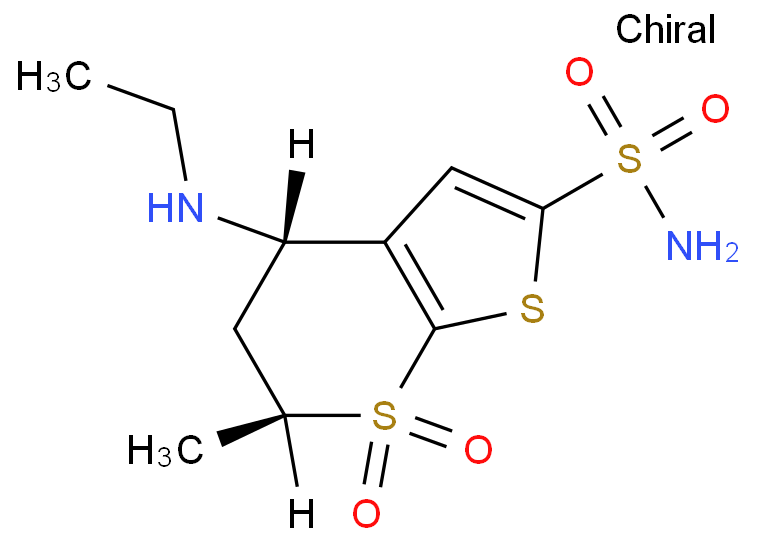
Dorzolamide is used to treat glaucoma (open-angle) or other eye conditions (such as ocular hypertension) that cause high pressure inside the eye. Lowering high eye pressure helps prevent blindness. This medication works by reducing the amount of fluid in the eye. It belongs to a class of drugs called carbonic anhydrase inhibitors.
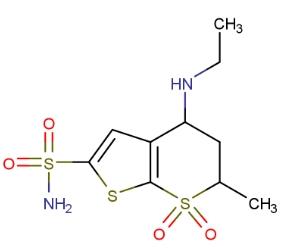
Dorzolamide is a medication, but like many other medications, it can cause side effects. Here are the most commonly reported issues:
Eye burning, stinging, discomfort (33%)
Bitter taste (25%)
Superficial punctate keratitis (10-15%)
Eye allergic reactions (10%)
There are some ways to manage these side effects:
Eye irritation: Use artificial tears after dorzolamide to soothe and lubricate the eyes.
Blurred vision: Briefly close your eyes after administration, and engage in activities requiring sharp vision once your vision has recovered.
Dry eyes: Consider using artificial tears more frequently throughout the day, especially when your eyes feel dry and irritated.
While these side effects are common and typically mild, it's important to know when to seek medical advice:
If eye irritation becomes severe or persists for an extended period.
If your blurred vision does not improve after a reasonable wait time.
If you experience any other side effects related to you.
Remember, open communication with your doctor is key. By understanding the common side effects of dorzolamide and how to manage them, you can ensure smoother, more comfortable medication therapy.
If you experience any serious side effects, inform your doctor immediately, including: changes in vision, signs of kidney stones (such as back/side/abdominal pain, nausea/vomiting, blood in urine), yellowing eyes or skin, dark urine, unusual tiredness or weakness, easy bruising/bleeding, signs of infection (such as persistent sore throat, fever, chills).
If you experience any very serious side effects, seek medical help immediately, including: redness or discharge from the eyes stops, swelling of the eyes or eyelids, eye pain.
Severe allergic reactions to this medication are rare. However, if you notice any symptoms of a serious allergic reaction, including: rash, itching/swelling (especially of the face/tongue/throat), severe dizziness, difficulty breathing, seek medical help immediately.
Dorzolamide and timolol eye drops are used to treat diseases caused by increased eye pressure, such as open-angle glaucoma or ocular hypertension. Both of these eye conditions are caused by high eye pressure and may lead to eye pressure-induced pain, ultimately damaging your vision. This medication can help you maintain your vision by lowering eye pressure and stopping eye pain. This medication is available only with your doctor's prescription. Besides the desired effects, the medication may also cause some adverse effects. While not all of these side effects may occur, if they do occur, they may require medical attention. If any of the following side effects occur, consult your doctor immediately:
Vision
Eye burning or stinging (when using the medication)
Feeling like something is in the eye
Eye itching
Redness of the eyes and inner eyelids
Sensitivity to light
Back, stomach, or stomach pain
Changes in vision
Cough, shortness of breath, difficulty breathing, chest tightness, or wheezing
Eye discharge
Dizziness
Eye or eyelid pain, swelling, discomfort, or irritation
High blood pressure
Increased urination frequency or painful urination
Eyelid itching
Seeing flashes or sparks
Seeing floaters in front of the eyes
Swelling of the inner eyelid
Small lumps on the inner eyelid
Dorzolamide is applied directly to the eyes in the form of liquid drops. Wash your hands before using this medication. Do not let the tip of the dropper touch the surface of the eye or any other surface. Separate this medication from other eye medications by at least 5 minutes.
This medication should take effect within 1 to 2 hours; however, you may not feel or notice any difference in your vision.
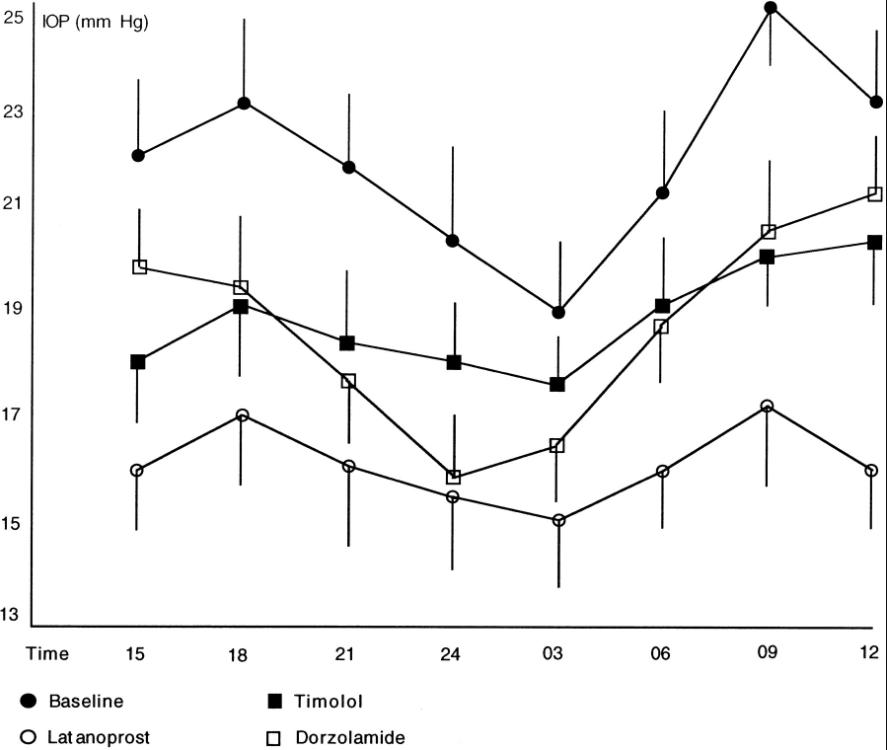
It works by reducing the production of aqueous humor to lower eye pressure. IOP refers to the fluid pressure inside the eye. Aqueous humor is a fluid that nourishes the eye. Excess fluid increases eye pressure, leading to glaucoma. Your doctor will measure your IOP with a tonometer to see if dorzolamide is effective. A tonometer is a device that gently inflates the eye to measure eye pressure. They may also perform other tests to check the health of your eyes.
Dorzolamide is a prescription medication that can be used long-term to treat glaucoma and high eye pressure. There is no limit to how long you can use it as long as it is effective and well tolerated. Your doctor will monitor your eye pressure and adjust your treatment regimen as needed.
Continuing to use dorzolamide under the guidance of your doctor is important, even if you feel well. Glaucoma is a chronic condition that, if left untreated, can lead to vision loss.
The dosage of this medication varies for different patients. Follow your doctor's instructions or the instructions on the label. The amount of medicine that you take depends on the strength of the medicine. Also, the number of doses you take each day, the time allowed between doses, and the length of time you take the medicine depend on the medical problem for which you are using the medicine. If someone overdoses and experiences severe symptoms like fainting or difficulty breathing, call emergency services. Otherwise, call the poison control center immediately.
Electrolyte imbalance, development of an acidotic state, and potential effects on the central nervous system may also occur. Serum electrolyte levels (especially potassium) and blood pH should be monitored. Seek immediate help if any of the following overdose symptoms occur:
Arrhythmias
Muscle spasms or pain
Numbness, tingling, pain, or weakness in the hands or feet
Tremors
Weakness and heaviness in the legs
While shortness of breath is not a common side effect of dorzolamide, it is important to note any abnormal changes in breathing after starting this medication. If you experience this symptom, consult your doctor to determine the cause and ensure it is not a sign of a more serious condition.
Dorzolamide can cause some side effects affecting the heart, although these are typically mild. These symptoms may include bradycardia (slowed heart rate) or palpitations (feeling like your heart is racing or pounding). If you experience any of these symptoms, talk to your doctor promptly to adjust the dosage or try a different medication.
Dorzolamide, as a medication for treating glaucoma and high eye pressure, is highly effective in reducing eye pressure. However, it may also cause some side effects and adverse reactions. Common side effects include eye irritation, dry eyes, and eye burning. During the use of dorzolamide, individual responses should be closely monitored, and any discomfort should be promptly reported to the doctor. In case of severe side effects or persistent discomfort, seek medical attention immediately and consult a healthcare professional for guidance. Close collaboration with medical experts is essential during treatment. If you have any questions about the side effects of dorzolamide or need further information, be sure to consult your doctor to ensure your eye health and safety.
[1] https://vcahospitals.com/know-your-pet/dorzolamide--ophthalmic
[2] https://www.mayoclinic.org/drugs-supplements/dorzolamide-ophthalmic-route/side-effects/drg-20063524
[3] https://www.mayoclinic.org/drugs-supplements/dorzolamide-and-timolol-ophthalmic-route/side-effects/drg-20061826
[4] https://www.webmd.com/drugs/2/drug-6076/dorzolamide-ophthalmic-eye/details
[5] https://www.drugs.com/pro/dorzolamide.html
 |
|
 |
 |
 |
 |
 EN
EN
 Agricultural News
 Food News
 Industrial News
 Cosmetic News
 Pharmaceutical News
 Science News

 4YRS
4YRS

