-
We detected your language preference as English. Would you like to switch to the English version for a better experience?
Switch to English
Stay here


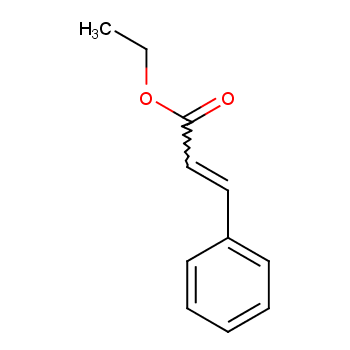
Ethyl cinnamate is an organic compound with a sweet aroma widely used in various fields. Its aromatic properties make it an essential component in food flavorings, perfumes, and cosmetics, imparting unique fragrance and allure to products. This article will delve into the diverse ethyl cinnamate uses across multiple domains, showcasing ethyl cinnamate uses and significance in industry and scientific research.
Ethyl cinnamate is an aromatic compound with a pleasant cinnamon scent, and its versatility is highlighted by its extensive range of applications.

In the food and beverage industry, it serves as a flavoring agent, enhancing the fruity and spicy characteristics of candies, chewing gum, sodas, and juices. In the perfume and cosmetics industry, ethyl cinnamate is a precious fragrance ingredient, providing gentle, spicy, and cinnamon tones to perfumes, soaps, and lotions. In scientific research, ethyl cinnamate has also been found to act as a clearing agent for biological tissues.
Ethyl cinnamate possesses a sweet fruity aroma reminiscent of cinnamon and strawberries, making it an ideal ingredient in perfumes, flavorings, and cosmetics.
Its multifunctional and practical nature is evident in its diverse applications across industries such as spices, flavorings, pharmaceuticals, cosmetics, and industrial processes.
Research suggests that ethyl cinnamate may offer certain health benefits, including antioxidant, antibacterial, and anti-inflammatory properties. However, further studies are needed to fully understand its therapeutic potential:
Incorporating ethyl cinnamate into various products enhances their sensory appeal by imparting delightful aroma and flavor, thereby increasing consumer satisfaction and product acceptance.
Ethyl cinnamate is a key ingredient in perfumes, colognes, and other fragrances due to its pleasing fruity scent. It adds depth and sweetness to perfumes, often used in floral, fruity, and oriental compositions. Additionally, ethyl cinnamate serves as a fixative, helping to bind other fragrance ingredients together for longer-lasting scent.
In addition to its use in perfumes, ethyl cinnamate is employed in spices. It naturally occurs in some spices, especially cinnamon.
Ethyl cinnamate is sometimes used as a synthetic flavoring agent in food and beverages. It possesses sweet, aromatic, and fruity flavors, enhancing the taste of cinnamon-flavored products. In the food industry, ethyl cinnamate is utilized as a flavoring agent, imparting a sweet cinnamon flavor to various products. It is commonly used in candies, baked goods, chewing gum, and beverages. Ethyl cinnamate is also found in dairy products such as ice cream, yogurt, and flavored milk.
Ethyl cinnamate exhibits antibacterial properties, making it a valuable ingredient in pharmaceutical formulations. It is used in topical creams, ointments, and lotions, showing potential antifungal and antibacterial effects.
While ethyl cinnamate is not currently FDA-approved for any medical purposes, recent studies suggest it may have some potential health benefits. For instance, a study published by Siyu Wang et al. in May 2024 found that ethyl cinnamate could inhibit tumor growth in rectal cancer by suppressing the signaling pathway crucial for angiogenesis (the formation of new blood vessels). Wang et al.'s research mentioned:
Kaempferia galanga Linn. is an aromatic medicinal herb extensively used for thousands of years in South Asian countries such as India, China, and Malaysia. It has been mentioned for its potential in treating abdominal tumors. Ethyl cinnamate (EC) is one of the major chemical constituents of the rhizomes of Kaempferia galanga, possessing anthelmintic, sedative, and vasorelaxant activities. The study utilized a VEGF-induced HUVECs model and a zebrafish in vivo model to evaluate the in vitro anti-angiogenic effects of EC. The impact of EC on VEGFR2 and its downstream signaling pathway phosphorylation was assessed via Western blotting. Molecular docking was employed to explore the interaction between EC and VEGFR2. SPR assay detected the binding affinity of EC to VEGFR2. To further elucidate the molecular mechanism of EC in VEGFR2 knockdown HUVECs and its impact, colony formation assays and apoptosis assays were conducted to evaluate the anti-tumor activity of EC. The inhibition of tumor growth by EC was explored using HT29 colorectal cancer xenograft model.
The results indicated that EC significantly inhibited proliferation, migration, invasion, and tube formation of VEGF-induced HUVECs. EC also induced apoptosis in HUVECs. Moreover, it suppressed the development of blood vessels in zebrafish. Further investigations revealed that EC could inhibit the phosphorylation of VEGFR2 and alter its downstream signaling pathway in VEGF-induced HUVECs. EC formed hydrogen bonds with the ATP binding site of VEGFR2, and SPR assays demonstrated the interaction between EC and VEGFR2. The inhibitory effect of EC on angiogenesis was abolished upon VEGFR2 knockdown in HUVECs. EC inhibited colony formation of colorectal cancer cells and induced apoptosis. Furthermore, EC suppressed tumor growth in the colorectal cancer xenograft model without detectable hepatotoxicity and nephrotoxicity. Additionally, it inhibited the phosphorylation of VEGFR2 and its downstream signaling pathway in tumors.
However, more research is needed to confirm these findings and determine the safety and efficacy of ethyl cinnamate as a medical treatment.
Ethyl cinnamate finds its way into cosmetics such as creams, lotions, and soaps for its pleasing aroma and potential skincare benefits. It enhances fragrance profiles while possibly imparting antioxidant and antibacterial properties to skincare formulations. Serving as a fixative, it aids in prolonging the longevity of scents.
However, the safety of ethyl cinnamate in cosmetics remains somewhat controversial. Some individuals may experience skin irritation or allergic reactions. The Environmental Working Group (EWG), a nonprofit organization assessing the safety of cosmetic ingredients, has assigned ethyl cinnamate a low-risk rating but with low data availability. This indicates insufficient data to conclusively determine its safety for everyone.
Ethyl cinnamate finds utility across various industrial processes, including synthesis of other chemicals and as a solvent in different reactions. It's also employed in the production of plasticizers and flavoring agents in tobacco products.
Additionally, ethyl cinnamate serves as a raw material in pharmaceutical manufacturing and as a pharmaceutical intermediate.
Research is underway to understand the properties of ethyl cinnamate and its potential role in developing novel drug delivery systems.
Studies suggest that ethyl cinnamate can be utilized in the development of new biocompatible materials.
Ethyl cinnamate can irritate the skin and eyes. Avoid direct contact and immediately wash any exposed areas thoroughly with soap and water.
Some individuals may be allergic to ethyl cinnamate. Be mindful of potential allergic reactions and seek medical attention if necessary.
When handling ethyl cinnamate, wear appropriate PPE such as gloves, safety goggles, and lab coats to minimize skin contact.
Utilize a ventilation hood to prevent inhalation of concentrated vapors, especially during large-scale operations.
Ethyl cinnamate is a flammable liquid. Keep away from heat sources and open flames. Store in a cool, dry, well-ventilated, and tightly sealed container.
Do not pour ethyl cinnamate down the drain. Adhere to local regulations regarding chemical waste disposal.
Ethyl cinnamate demonstrates diverse applications across multiple fields. Its sweet aroma renders it a significant component in food flavorings, perfumes, and cosmetics, enhancing product allure and market value. In the pharmaceutical realm, ethyl cinnamate serves as a synthetic intermediate, utilized in the development of various drugs, showcasing its potential in drug research and development. From its roles in perfumes and flavorings to its potential health benefits in pharmaceuticals and cosmetics, ethyl cinnamate continues to contribute to product innovation and enhancement. As research progresses, the application prospects of ethyl cinnamate are poised to expand further, offering opportunities for innovation and development across industries.
[1]https://en.wikipedia.org/wiki/Cinnamon
[2]https://medium.com/@chemicalbull0/exploring-ethyl-cinnamate-uses-benefits-and-applications-0f6550bca177
[3]https://pubmed.ncbi.nlm.nih.gov/38360380/
[4]https://www.ewg.org/cleaners/substances/9352-ethyl_cinnamate/
[5]https://foreverest.net/products/extractives-synthetic/ethyl-cinnamate.html
[6]https://www.nature.com/articles/s41598-018-36741-1
|
 |
 |
 |
 |
|
 EN
EN
 Agricultural News
 Food News
 Industrial News
 Cosmetic News
 Pharmaceutical News
 Science News

 3YRS
3YRS


