-
We detected your language preference as English. Would you like to switch to the English version for a better experience?
Switch to English
Stay here


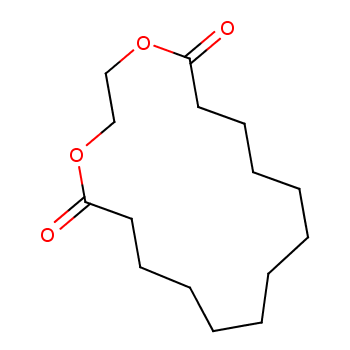
Ethylene brassylate, also known as Musk T, is a synthetic musk compound widely used in the fragrance and cosmetics industry for its elegant and long-lasting aroma. Its molecular structure imbues it with unique softness and sweetness in fragrance formulations, making it a crucial component in many high-end perfumes. Beyond perfumery, ethylene brassylate finds applications in various personal care products such as shampoos, body washes, and lotions, enhancing the overall olfactory experience of the products. Due to its low allergenicity and high stability, ethylene brassylate holds a significant position in the fragrance industry, continuously favored by manufacturers and consumers alike. This article delves into the chemical properties of ethylene brassylate and its extensive application areas.
What is ethylene brassylate used for? Ethylene brassylate, a macrocyclic musk, is known for its long-lasting fixative properties, akin to many naturally occurring musks. It is widely employed in perfumery as a moisturizer and enhancer for sweet floral fragrances, contributing to the exceptional longevity of certain fragrance types. Typically, concentrations below 1% in fragrance bases or oils produce noticeable effects, with normal usage concentrations ranging from 0.5% to 3.0%. It remains stable in soaps, resisting discoloration. Inferior grades of this ester may exhibit fatty acid rancidity during aging, akin to castor oil. It can also serve as a maturing agent or "ripening" agent in alcohol solutions of perfumes.
(1) Unique Scent: Ethylene brassylate offers a complex aroma, blending animalistic and sweet musky notes. Its relatively subdued scent, often used alone or mixed with other musk fragrances like Galaxolide, forms musky base notes that complement various perfume formulations.
(2) Longevity and Fixative Properties: Acting as a fixative, ethylene brassylate helps perfumes linger on the skin longer, ensuring other fragrances do not dissipate quickly.
(3) Versatility in Fragrance Families: This singular ingredient finds application across multiple fragrance families, enhancing florals, adding depth to orientals, and providing subtle sweetness to woody scents.
(1) Fragrance in Body Care Products: Ethylene brassylate is pervasive in body care items such as lotions, creams, shampoos, conditioners, and body washes, imparting a pleasant aroma and masking any unpleasant odors from other ingredients.
(2) Soaps and Detergents: It is utilized in soaps and detergents to provide long-lasting fragrance. Its stability in soap formulations prevents discoloration, while its presence in laundry detergents helps clothes retain a fresh scent.
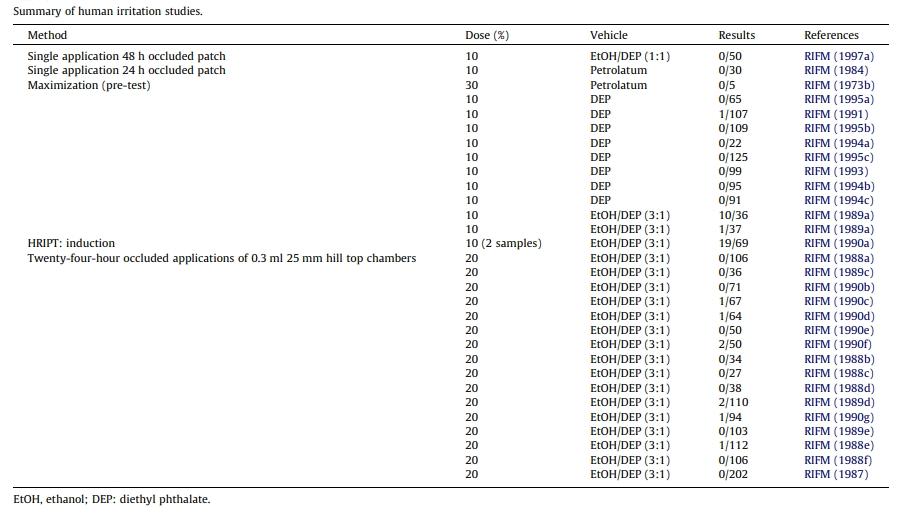
(3) Cosmetics: As a synthetic fragrance component, ethylene brassylate is common in cosmetics and skincare products, lending a sweet and musky scent. While research on its impact on skin is limited, it is generally considered non-toxic but may cause irritation, a common trait shared with many other perfume ingredients.
(1) Air Fresheners: Ethylene brassylate is employed in the production of air fresheners, room sprays, and diffusers, creating a pleasant and cozy ambiance.
(2) Candles: It is a common fragrance ingredient in scented candles, releasing a soothing musky scent when lit, enhancing ambiance and creating a comforting environment.
(3) In Fabric Softeners and Other Household Products: Ethylene brassylate functions in fabric softeners to impart pleasant scents and act as a fixative for prolonged fragrance retention on clothes. However, its application in other general household products is less common.
(4) Industrial Applications: Ethylene brassylate finds utility in various industrial applications requiring long-lasting and pleasant fragrances, such as cleansers, personal care formulations, and fabric fresheners.
(1) Lipsticks and Other Cosmetic Products: Ethylene brassylate contributes to the pleasant fragrance of lipsticks, mascaras, eyeshadows, and other cosmetic items, enhancing the overall user experience by masking any unpleasant odors from base ingredients.
(2) Use in Powders and Skincare Formulations: Ethylene brassylate is utilized in talcum powders, imparting a fresh, clean scent. However, due to associated inhalation risks with talc, its use is generally discouraged. In skincare formulations, it is sparingly used due to potential skin irritation.
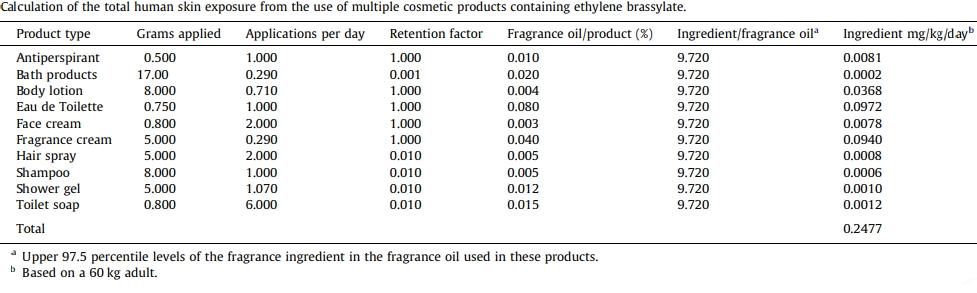
(3) Safety and Regulatory Considerations in Cosmetics: Systemic exposure to fragrance ingredients in cosmetics is based on their concentrations. The safety of ethylene brassylate in cosmetics remains a contentious topic, albeit generally deemed safe. While studies indicate its low toxicity at typical cosmetic concentrations, the European Union has flagged it as a potential skin sensitizer. Thus, its use is widely considered safe, but manufacturers must ensure the safety of their finished products and adhere to concentration limits.
Consumer preference for natural and sustainable ingredients continues to drive innovation. Despite being synthetically derived, ethylene brassylate's advantage over historically animal-derived musks is its non-animal sourcing. However, researching bio-based alternatives from renewable resources may pose challenges.
The ever-evolving olfactory landscape in the fragrance industry is another consideration. While ethylene brassylate excels in enhancing floral fragrances, seeking unique and avant-garde scents may favor less traditional aromatic chemicals.
The future of ethylene brassylate may lie in innovation. New production methods utilizing sustainable feedstocks or advancements in encapsulation technology for better diffusion control could solidify its position on perfumers' palettes. Ultimately, its fate depends on its adaptability to the evolving demands of the fragrance industry.
Ethylene brassylate, a synthetic musk fragrance, finds widespread application in perfumes and personal care products for its unique soft and sweet aroma. Its high stability and low allergenicity make it an ideal ingredient in perfumes, shampoos, body washes, and lotions, enhancing the olfactory quality of these products. With its superior performance and broad applicability, ethylene brassylate continues to hold a significant position in the market amid the evolving fragrance industry. Future research and innovation are poised to further expand its application areas, showcasing its unique value and potential across diverse sectors.
[1]https://www.paulaschoice.com/ingredient-dictionary/ingredient-ethylene-brassylate.html
[2]https://pellwall.com/en-us/products/ethylene-brassylate
[3]https://fragranceconservatory.com/ingredient/ethylene-brassylate
[4]https://fraterworks.com/products/ethylene-brassylate
[5]https://eng.hekserij.nl/shop/fragrance-raw-material/search-by-type/aroma-chemicals/ethylene-brassylate/
[6]https://us.vedaoils.com/products/ethylene-brassylate-99-compound-musk-t
[7]https://www.sciencedirect.com/science/article/abs/pii/S0278691511003462
 |
 |
|
 |
 |
 |
 EN
EN
 Agricultural News
 Food News
 Industrial News
 Cosmetic News
 Pharmaceutical News
 Science News

 3YRS
3YRS

