-
We detected your language preference as English. Would you like to switch to the English version for a better experience?
Switch to English
Stay here


What is ferrous sulfate monohydrate used for? Ferrous sulfate monohydrate is a significant chemical compound with widespread applications across various domains. This article delves into the ferrous sulfate monohydrate uses to better understand its importance and practical utility. By examining the uses of ferrous sulfate monohydrate in detail, we can grasp its significance and indispensability in modern society.
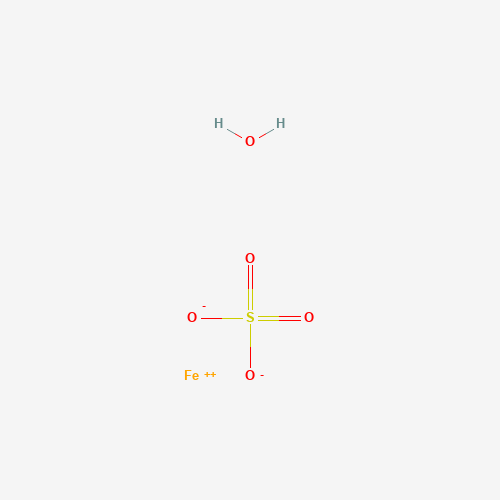
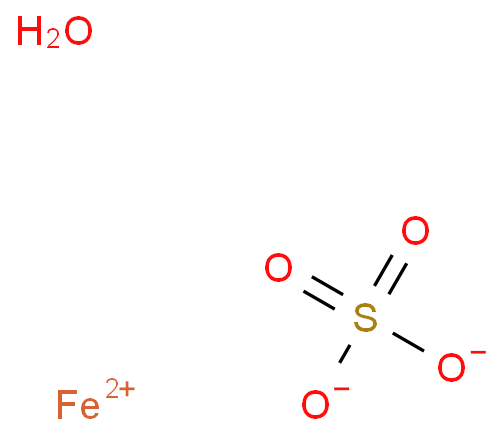
Ferrous sulfate monohydrate, with the molecular formula FeSO4·H2O, is a compound. It presents as a soluble blue-green crystalline solid. What are the uses of ferrous sulfate monohydrate? Ferrous sulfate monohydrate finds application as a reducing agent in hazardous waste management and as a coagulant and flocculant in the treatment of sewage waste, industrial effluents, raw drinking water, and other wastewater sources. It is also employed as a reducing agent to remove phosphates and hydrogen sulfide that causes odor from various waste sources.
In agriculture, landscaping, horticulture, and lawn care industries, ferrous sulfate monohydrate products are utilized to correct iron chlorosis or deficiencies in plants and soil. It is also used to eliminate moss, reduce alkalinity, and serve as a micronutrient or trace nutrient in fertilizers. Additionally, it is employed in feed supplements for pigs, poultry, and other animals to prevent anemia caused by iron deficiency.
Ferrous sulfate monohydrate is an odorless dry chemical. It completely dissolves in water, containing at least 30% iron. It is extensively used as an agricultural fertilizer to prevent plant growth inhibition due to iron deficiency. Ferrous sulfate monohydrate fertilizers promote the growth of healthy crops by increasing chlorophyll pigmentation.
Ferrous sulfate monohydrate is commonly used in industrial applications, serving as a coagulant in water treatment plants and as a chromium reducer in the cement industry.
Chromium is an undesirable element in cement, causing allergic reactions and dermatitis. Hexavalent chromium (Cr6+) in cement can penetrate human skin and cause allergies, known as chromate dermatitis, but it is also classified as a carcinogen. It is necessary to reduce chromium in cement to protect human health and the environment.
Free-flowing ferrous sulfate powder monohydrate is the preferred choice for chromium reduction in cement production, suitable for pneumatic conveyors. It is the thermodynamically most stable form among ferrous sulfate species.
Ferrous sulfate monohydrate serves as an iron supplement, replenishing iron reserves in the body. Iron is a vital component of hemoglobin, the oxygen-carrying molecule in red blood cells. Iron deficiency anemia is a major public health concern worldwide, especially in infants, children, and reproductive-age women. When iron intake, iron stores, and iron loss do not adequately support red blood cell formation, this type of anemia occurs. Ferrous sulfate monohydrate releases iron ions (Fe2+), which are absorbed by the intestines and incorporated into hemoglobin, improving systemic oxygen delivery. Ferrous sulfate monohydrate is a synthetic agent used in the treatment of iron deficiency. It is the gold standard for oral iron therapy in the UK and many other countries.
Ferrous sulfate monohydrate serves as a source of trace element iron in animal feed. Iron deficiency in animal species can lead to anemia, growth retardation, and decreased immunity. Ferrous sulfate monohydrate is an effective source of iron for animal species. To meet the varying requirements of different animal species at different ages and conditions, ferrous sulfate monohydrate is used in various animal feed products.

In lawns, moss is a persistent problem, causing unsightly patchy appearances and inhibiting lawn growth. Ferrous sulfate monohydrate can be used in lawn care and moss control. Lawn and ornamental plant enthusiasts find it significantly effective in eliminating moss, reducing alkalinity, and correcting chlorosis. Its role in lawn management includes enhancing the antioxidant levels of lawns and ornamental plants, particularly in challenging environments such as drought and heavy traffic.
Ferrous sulfate monohydrate is a versatile product commonly used in lawn care. It serves two purposes:
Iron chlorosis severely affects the health and appearance of plants, resulting in yellowing leaves and stunted growth. From preventing anemia in animal feed to correcting iron deficiencies in plants and soil, ferrous sulfate monohydrate can be used in lawn care. Its efficacy extends to environmental applications, serving as an essential component of fertilizers to promote plant health and resilience. Lawns sometimes suffer from iron deficiencies, hindering their growth and making them more susceptible to moss infestation. Ferrous sulfate directly provides iron to the grass, promoting greener, healthier lawns.
Moss thrives in acidic, shady conditions. Ferrous sulfate monohydrate or ferrous sulfate, as a soluble product or mixed with sand to form lawn sand, can kill moss and green lawns.
Products containing ferrous sulfate monohydrate or ferrous sulfate can be used to control moss. A good mixture is about 3 ounces of ferrous sulfate in 5 gallons of water. The mixture should be sprayed over a 1000 square foot area.
Ferrous sulfate monohydrate is considered safe for use around children and pets according to the label instructions. It naturally decomposes in the soil, posing minimal harm to wildlife.
Studies suggest that ferrous sulfate monohydrate can be an effective method of controlling moss growth, particularly when combined with other lawn care measures such as dethatching and aeration.
Ferrous sulfate monohydrate is toxic to human life. Harmful effects upon ingestion include oral injury, drowsiness, and dizziness. Exposure to the eyes can cause severe eye irritation. Similarly, exposure to the skin can also result in skin irritation. Ferrous sulfate monohydrate is harmful to aquatic organisms.
Handling ferrous sulfate monohydrate requires necessary precautions. Specific measures include:
Using chemicals in well-ventilated environments.
Thoroughly washing hands after handling chemicals.
Refraining from eating or drinking while handling chemicals.
Wearing protective aprons, gloves, and goggles when handling chemicals.
In conclusion, ferrous sulfate monohydrate, as a significant chemical compound, has multiple uses and applications in different domains. By introducing the primary uses of ferrous sulfate monohydrate, this article aims to provide readers with a deeper understanding of this compound and its importance. With the continuous development and progress of technology, the application fields of ferrous sulfate monohydrate may continue to expand and deepen, bringing more convenience and innovation to our lives and industrial production.
[1]https://vlsci.com/products/diamond-brand-ferrous-sulfate-fertilizer/
[2]https://www.lapischem.com/en/urunler/ferrous-sulphate/ferrous-sulfate-monohydrate/
[3]https://camachem.com/pt/blog/post/frequently-asked-question-about-ferrous-sulfate-monohydrate
[4]https://heritageppg.com/products/diamond-brand%C2%AE-ferrous-sulfate-monohydrate
[5]https://www.lawnsmith.co.uk/lawn-care-advice/moss-control-removal/what-is-ferrous-sulphate
[6]https://bryophytes.science.oregonstate.edu/page22.htm
[7]https://go.drugbank.com/salts/DBSALT002667
|
 |
 |
|
|
 EN
EN
 Agricultural News
 Food News
 Industrial News
 Cosmetic News
 Pharmaceutical News
 Science News

 6YRS
6YRS


