-
We detected your language preference as English. Would you like to switch to the English version for a better experience?
Switch to English
Stay here


Antioxidants are chemicals that can defend skin cells against damage from free radicals. Free radicals are unstable molecules constantly produced in our bodies, which can attack our cells, leading to skin aging, pigmentation, fine lines, and sagging. Therefore, antioxidants play a crucial role in skincare.

Ferulic acid and phloretin are common antioxidants. Ferulic acid, extracted from chuanxiong and bran, has effects like improving pigmentation, antioxidation, and sun protection, helping the skin maintain youthfulness and radiance. It's widely used in skincare products for firming, anti-aging, and it's safe with high metabolism. Phloretin, a natural antioxidant mainly found in plants like apples, grapes, and strawberries, effectively combats free radical damage, improving issues like pigmentation, uneven skin tone, fine lines, and sagging. So, which antioxidant should we choose specifically?

Ferulic acid is mainly derived from plants or synthesized chemically. Extracted ferulic acid from plants has minimal toxic side effects on humans and can be directly applied in pharmaceutical and food industries, making it a major source for medical ferulic acid. Its widespread presence in nature gives it significant pharmacological activity and stable chemical properties. Due to its antioxidant, anti-inflammatory, anticoagulant, detoxifying, liver-protective, and immune-regulating effects, researchers extensively study ferulic acid and its derivatives for various applications like cosmetics and food preservatives.
Ferulic acid esters exhibit excellent antioxidant properties in cosmetic formulations, providing good antioxidant and skin whitening effects. Studies by Liu Yanhong, Yang Zijia, and others on the antioxidant action of ferulic acid esters revealed their ability to effectively eliminate oxygen free radicals, with a clearance rate exceeding 12%. Furthermore, the clearance effects on DPPH radicals and superoxide anions showed significant results.
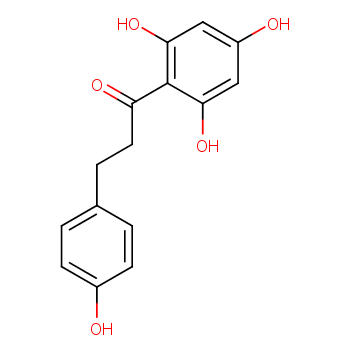
Recent studies have found multiple pharmacological effects of phloretin, including antioxidant, immunosuppressive, blood sugar reduction, and roles in cell proliferation and apoptosis. Additionally, it offers beauty benefits like reducing dark spots, smoothing skin texture, and delaying aging. Phloretin, a natural antioxidant found in apples, pears, and other plants, not only neutralizes free radicals generated by UV, infrared radiation (IRA), and ozone pollution but also enhances the action of other antioxidants, improving the appearance of uneven skin tone and minimizing sun damage.
The skin possesses a natural antioxidant system to protect against damage from internal and external factors. However, the levels of endogenous antioxidants decrease with age or changes in external environments. Research indicates that phloretin can effectively protect the skin from damage caused by free radicals or UV radiation from cell metabolism. Hence, phloretin is widely used in cosmetics to eliminate skin wrinkles, pigmentation, and prevent UV-induced skin damage.
Both compounds exhibit potent antioxidant properties, making them valuable additions to skincare formulations. Ferulic acid, extracted from plants like rice bran and oats, is renowned for its ability to neutralize free radicals and protect the skin from oxidative stress. Similarly, phloretin, found in apples and apple tree leaves, demonstrates strong antioxidant activity, effectively scavenging reactive oxygen species and preventing skin damage. However, a notable difference lies in their stability. Phloretin's chemical structure contains a phenyl ring and a hydroxyl group, imparting a certain level of stability. It remains relatively stable under acidic and alkaline conditions but can degrade under high temperature and light. Ferulic acid, an organic acid, is less stable than phloretin and prone to degradation under high temperature and light. Nonetheless, ferulic acid can be used in combination with other antioxidants like vitamin C and E to form more stable antioxidant complexes. Ferulic acid exhibits greater stability when incorporated into skincare products, maintaining its antioxidant efficacy over time. In contrast, phloretin may demonstrate reduced stability, requiring special formulation techniques to ensure its longevity and effectiveness.
The compatibility of ferulic acid and phloretin with other skincare ingredients slightly differs. Ferulic acid is known to enhance the stability and efficacy of other antioxidants such as vitamin C and E when used in combination with them. This synergistic effect enhances the overall antioxidant capacity of skincare formulations, providing comprehensive protection against environmental aggressors. Ferulic acid exhibits good compatibility with other skincare ingredients and can be combined with various skincare components, whereas phloretin may react with certain skincare ingredients, affecting their effectiveness.
The incorporation of ferulic acid and phloretin into skincare formulations provides effective antioxidant protection, addressing various skincare concerns. Products containing ferulic acid are praised for their ability to combat oxidative stress, neutralize free radicals, and prevent premature aging. When combined with other antioxidants like vitamin C and E, ferulic acid enhances their stability and efficacy, creating a powerful formula that rejuvenates and protects the skin. Additionally, the anti-inflammatory properties of ferulic acid effectively alleviate irritation and redness, promoting calm and balanced skin tone.
Skincare products containing phloretin garner attention for their remarkable efficacy in addressing specific skincare issues. The antioxidant activity of phloretin helps protect the skin from environmental aggressors such as UV radiation and pollution, reducing the risk of sun damage and premature aging. Furthermore, phloretin's ability to inhibit melanin production makes it a valuable ingredient in products targeting pigmentation and uneven skin tone.
Ferulic acid, a natural phenolic acid compound also known as 4-hydroxy-3-methoxycinnamic acid, is an important antioxidant. It is often combined with other antioxidants like vitamin C and phloretin in skincare products to enhance its antioxidant activity. Ferulic acid is renowned in skincare for its anti-inflammatory, antioxidant, antiallergic, antipruritic, and antibacterial properties, making it widely used in treating conditions such as seborrheic dermatitis, rosacea, and allergic dermatitis.
Phloretin and ferulic acid share some similarities in antioxidant properties but also have differences. Phloretin is generally considered a milder antioxidant, suitable for sensitive skin types, while ferulic acid exhibits stronger antioxidant properties, effectively reducing free radical damage, making it suitable for combating skin aging and pigmentation issues.
When selecting antioxidants, it's essential to consider one's skin type and concerns. If you have sensitive skin, you may prefer using milder antioxidants like phloretin. If your skin requires stronger antioxidant properties, ferulic acid might be a better choice. Additionally, when using these antioxidants, it's crucial to follow proper usage instructions and ensure compatibility with your skin type to avoid potential skin issues.
When choosing antioxidants for daily skincare, readers should consider various factors to determine whether ferulic acid or phloretin is more suitable for their needs. Those concerned about fine lines, wrinkles, and sun damage may find ferulic acid particularly beneficial due to its potent antioxidant properties and ability to neutralize free radicals. Individuals struggling with pigmentation issues and uneven skin tone may prefer using phloretin, as it has been shown to inhibit melanin production, resulting in brighter skin. Moreover, individuals with sensitive skin may find better tolerance with ferulic acid, given its soothing and anti-inflammatory properties, which can help alleviate irritation.
To incorporate these antioxidants into their skincare regimens effectively, readers should first select products containing the desired ingredients at appropriate concentrations. It's crucial to follow the manufacturer's recommended frequency and usage instructions to ensure efficacy and minimize the risk of irritation. Individuals may consider layering antioxidants with complementary ingredients like vitamin C and E to enhance their efficacy and provide comprehensive protection against environmental stressors. Additionally, consistent sunscreen use is crucial to maximize the benefits of antioxidants and protect the skin from further UV damage. By carefully selecting and incorporating ferulic acid or phloretin into their skincare routines, readers can effectively address their specific concerns and achieve healthier, more radiant skin.
Since its debut in 2005, SkinCeuticals CE Ferulic Antioxidant Serum has received numerous awards and accolades. However, when it comes to the brand's topical vitamin C antioxidant serums, the Phloretin CF Antioxidant Serum has also gained significant attention since its launch in 2008, offering advanced antioxidant protection and a unique set of benefits. Faced with the choice between these two potent antioxidant serums, which one is suitable for you?
SkinCeuticals CE Ferulic Acid is an ideal topical antioxidant for treating fine lines, wrinkles, loss of firmness, and skin brightening in neutral, dry, and sensitive skin types. However, SkinCeuticals Phloretin CF may be a better choice for addressing discoloration and visible signs of aging in neutral, oily, and combination skin types.
Board-certified dermatologists and LovelySkin CEO Dr. Joel Schlessinger often recommends these two antioxidant serums to his patients based on their skin needs. He says, "Generally, I recommend SkinCeuticals Phloretin CF for patients who have a bit more oil, while ferulic acid is suitable for normal to dry skin conditions." "These serums are the cornerstone of skincare routines, so it's essential to ensure that your skin type is suitable for them."
The comparison between ferulic acid and phloretin highlights their unique benefits and applications in skincare. Ferulic acid is esteemed for its robust antioxidant properties and anti-inflammatory effects, particularly effective in combating oxidative stress and premature aging. Phloretin demonstrates significant efficacy in addressing pigmentation and uneven skin tone issues, credited to its ability to inhibit melanin production and promote brighter complexion. We encourage readers to actively explore and research antioxidants to discover formulas that best suit their individual needs and concerns.
[1] Liu Ke, Xu Cheng, Guo Yumei, et al. Research Progress on Phenolic Acid Compound Ferulic Acid[J]. Contemporary Chemical Industry, 2022, (20): 70-74.
[2] Li Xiugang, Zhang Lingyu. Research Progress on Synthesis and Application of Ferulic Acid[J]. Shandong Chemical Industry, 2020, 49 (17): 81-82. DOI:10.19319/j.cnki.issn.1008-021x.2020.17.030.
[3] Feng Tian, Wang Libin, Zhou Nan, et al. Research Progress of Phloretin[J]. Translational Medicine Journal, 2017, 6 (01): 42-46.
[4] https://pubchem.ncbi.nlm.nih.gov/compound/Ferulic-acid
[5] https://www.lovelyskin.com/blog/p/-phloretin-cf-or-c-e-ferulic-which-skinceuticals-antioxidant-serum-is-right-for-me
|
 |
 EN
EN
 Agricultural News
 Food News
 Industrial News
 Cosmetic News
 Pharmaceutical News
 Science News

 2YRS
2YRS