-
We detected your language preference as English. Would you like to switch to the English version for a better experience?
Switch to English
Stay here


Flavour enhancers are food ingredients used to intensify flavour and aroma, and they may be natural or manufactured. In savoury applications, three classes dominate commercial practice: yeast extract, glutamates such as monosodium glutamate, and 5'-nucleotides such as disodium inosinate and disodium guanylate. All three build the umami taste, but they do so through different chemistries, at different use levels, and with markedly different handling behaviour.
For product developers, the key technical questions are not simply which enhancer tastes strongest, but how each class performs in the target matrix, how they interact with one another synergistically, how they behave through heat, moisture and shelf life, and how each must be labelled and permitted in a given market. This guide compares the three classes across chemistry, production, sensory performance, dosage and regulation into a practical B2B selection framework.
| Enhancer Class | Suitable Users | Core Technical Indicators | Compliance Framework |
|---|---|---|---|
| Yeast extract | Developers of sauces, bouillons, ready meals and savoury snacks who want a clean-label, rounded savoury taste rather than a sharp single note | Concentrate of the soluble fraction of Saccharomyces cerevisiae; rich in nucleotides, proteins, amino acids, sugars and trace elements; about 5% glutamic acid | Determined to be generally recognised as safe; usable as a flavouring agent and adjuvant at a level not exceeding 5% in food |
| Glutamates | Formulators of soups, soy sauce, processed meats, dressings and snack seasonings where a strong, direct umami boost is the objective | Monosodium glutamate CAS 142-47-2; salts include calcium di-glutamate, monopotassium, monoammonium and magnesium di-glutamate; taste threshold about 0.03% in water | Generally recognised as safe; E621; JECFA acceptable daily intake allocated as "not specified" |
| 5'-Nucleotides | Developers who want to reduce total enhancer loading, or to correct the sensory defects of sodium-reduced formulas, using very low addition levels | Disodium inosinate CAS 4691-65-0 and disodium guanylate CAS 5550-12-9; little intrinsic taste; strong synergy with glutamate; GMP about 3.8 times as active as IMP | Disodium guanylate E627 and disodium inosinate E631; typically permitted as flavouring substances across major markets |
| Combined systems | Formulators optimising cost-in-use, where the goal is the minimum total addition that still delivers the target savoury intensity | Glutamate and nucleotide response about eight times larger than glutamate alone; IMP and GMP often used together, commonly in a 3:1 ratio | All components must be declared individually where the framework requires; verify permitted categories locally |
Flavour enhancers are ingredients that increase the overall richness of a food product by enhancing a particular flavour. They may have an intrinsic taste of their own or complement another flavour to highlight it, and a wide range of natural and artificial enhancers is used to make food more appetising. In savoury applications the three most commercially important classes are yeast extract, glutamates and 5'-nucleotides.
Yeast extract is the concentrate of the soluble fraction of yeast and, more particularly, of Saccharomyces cerevisiae. It is rich in nucleotides, proteins, amino acids, sugars and trace elements, and is a good source of amino acids including glutamic acid at roughly 5% and total glutamate at about 10% by weight. It is characterised by a savoury flavour and is used to round off the taste of food products, including masking off-notes originating from plant proteins or sweeteners.
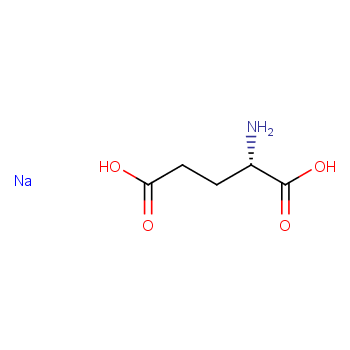
Glutamic acid is an alpha-amino acid used by almost all living organisms in protein biosynthesis, and it is non-essential because the human body can synthesise it. Glutamic acid and its salts, namely monosodium glutamate, calcium di-glutamate, monopotassium glutamate, monoammonium glutamate and magnesium di-glutamate, act as flavour enhancers. Glutamates occur naturally, and when added to food they impart the umami taste that intensifies the meaty, savoury character found naturally in stews and meat soups.
Nucleotides are the structural units of RNA and DNA. Among them, inosine monophosphate and guanosine monophosphate impart strong umami flavour and contribute sensory impact in savoury foods, and they show a synergistic effect with glutamate that is often exploited by using them together. Guanylic acid and inosinic acid are used in their native form, while their sodium or calcium salts are the forms most often supplied as commercial flavour enhancers.
Explore the flavour enhancer technical encyclopedia for additional chemical and application information.
| Enhancer | CAS Number | Mol. Formula | Mol. Weight |
|---|---|---|---|
| Monosodium glutamate | 142-47-2 | C5H8NNaO4 | 169.11 g/mol |
| Glutamic acid | 56-86-0 | C5H9NO4 | 147.13 g/mol |
| Disodium inosinate | 4691-65-0 | C10H11N4Na2O8P | 392.17 g/mol |
| Disodium guanylate | 5550-12-9 | C10H12N5Na2O8P | 407.18 g/mol |
| Yeast extract | Complex mixture (no single CAS) | Not applicable | Not applicable |
Flavour enhancers are not used because they perform a textural or preservation function. Their value is sensory: they shape how a savoury taste is perceived, and understanding the receptor-level basis explains why some combinations outperform the sum of their parts.
Umami is Japanese and translates approximately as "tasty". It is considered the fifth basic taste, a meaty, savoury sensation that lingers for a long time and is characteristic of well-matured, protein-rich products. Umami does not have an intensifying effect but a modulating one: it takes the edge off bitterness and slightly increases saltiness, while otherwise having little impact on the other basic tastes. Glutamates are detected by taste receptor cells, with iGluRs, mGluR4 and T1R1/T1R3 involved, and they act as a gustatory stimulus and neuromodulator.
Three umami receptors are known in humans, T1R1/T1R3, mGluR4 and mGluR1, and the T1R1/T1R3 receptor exhibits synergism. There is a large synergism between glutamate and 5'-inosinate or 5'-guanylate: the human response to the mixture is about eight times larger than to glutamate alone. The threshold level of disodium inosinate or disodium guanylate is reduced sharply, by roughly 100 times, in a solution of monosodium L-glutamate, and the threshold of monosodium L-glutamate is reduced by about 10 times in a solution of 5'-nucleotide. This relationship is not linear, and at lower relative concentrations the comparative effectiveness of the nucleotide is much greater.
Salt is the most basic taste enhancer and shows synergistic activity with the other enhancers. When used with glutamate, the maximum enhancing effect is seen at 100 mM sodium chloride, and responses to glutamate, 5'-inosinate and 5'-guanylate are all enhanced by salt. The effect is mutual, because flavour enhancers are also believed to enhance salt flavour. This is why enhancers allow smaller reductions in sodium chloride content, and why sensory defects caused by replacing sodium chloride with potassium chloride at a 50% level can be corrected with inosinate and guanylate at concentrations of 300 mg/kg each.
Production technology differs substantially between the classes and affects cost, purity and the label position of the finished ingredient. Glutamates and nucleotides can be obtained from natural sources, by chemical synthesis or by fermentation, while yeast extract is produced by fermentation with autolysis.
Glutamic acid is a natural component of proteins such as casein, gluten, glycinin and myosin, which contain 21 to 35% glutamic acid. However, glutamate bound in protein is not free and has no taste unless the protein is hydrolysed to release free glutamate with an umami taste. Foods containing free glutamate include plant sources such as tomato, potato and kombu, animal sources such as scallops, sea urchins and shrimp, and processed foods such as cheese, soy sauce and fish sauce. Commercially it is isolated from natural sources by hydrolysing proteinaceous material and passing it through ion exchange resins. 5'-Inosinate sources include bonito, sardine, chicken and beef, while 5'-guanylate sources include shiitake mushroom, porcini and morel.
Glutamic acid can be chemically synthesised from acrylonitrile, converted to cyanopropionaldehyde and then to glutamic acid, after which treatment with sodium hydroxide yields sodium glutamate. One disadvantage is that chemical synthesis gives a racemic mixture of enantiomers, so the desired L-form must be resolved. 5'-Nucleotides are produced either by enzymatic degradation of ribonucleic acid or by chemical phosphorylation of inosine.
Yeast extract is produced using Saccharomyces cerevisiae, whose enzymes break down the cell content while the cell wall is removed to concentrate the remaining soluble fraction; autolysis is the usual route, though acid or exogenous enzyme preparations are sometimes added. Glutamate is produced by fermentation with organisms such as Corynebacterium glutamicum, Pseudomonas reptilivora, Brevibacterium flavum, Microbacterium ammoniaphilum and Arthrobacter species, in which alpha-ketoglutarate is the key precursor, biotin is the most critical growth factor, and a two-stage process that produces ketoglutaric acid before transformation into L-glutamic acid is common, though a single-step approach can also be used. 5'-Nucleotides are produced using Bacillus subtilis and Corynebacterium ammoniagenes, with inosinate serving as a precursor.
The three classes belong to different chemical families, and that difference explains most of their practical behaviour. Grouping them by structure clarifies why some are odourless powders while others are complex mixtures, and why their handling profiles diverge so sharply.
Glutamates are salts of an amino acid, and each salt exhibits different characteristics in terms of taste, stability, required dosage level and activity. This is why the choice among monosodium, monopotassium, calcium, magnesium and ammonium glutamate is a formulation decision rather than a simple substitution.
5'-Nucleotides are salts of purine nucleotides. Disodium guanylate is about 3.8 times as active as disodium inosinate, yet the qualitative effects of the two are virtually identical. Their profiles are complementary, with inosinate bringing the initial solid taste followed by the long aftertaste of guanylate, which is why they are primarily used together.
Yeast extract is not a single molecule but a complex mixture. Roughly 60% of its composition is a blend of proteins and amino acids, which produces the strong umami taste, and it also carries partly hydrolysed protein with 35 to 40% free amino acids, B vitamins and some trace elements. Its sensory character depends heavily on processing conditions and on the ratio of amino acids, free glutamates, salt and other components.
| Property | Yeast Extract | Glutamates | 5'-Nucleotides |
|---|---|---|---|
| Taste character | Bouillon-like, salty, slightly bitter, malty and rich in umami; used to round off flavours | Considered to have no significant taste of its own; enhances the umami profile and refines sour and salty taste | No intrinsic taste; IMP enhances salty, sour, top and spicy notes while GMP improves body and creamy feel |
| Aroma and colour | Meaty, brothy aroma; yellow to brown colour | Odorless; white colour | Odorless; white colour |
| Taste intensity | About 60% protein and amino acid blend, giving strong umami | Strong initial enhancement with an almost instantaneous mouth-watering sensation | Strong initial enhancement; guanylate has a more emphasising and lingering aftertaste |
| Taste threshold | Not a single molecule, so no single threshold value applies | About 0.03% in water; 0.002% with inosinate present | Inosinate 0.012%; guanylate 0.0035%; with MSG at 0.1%, inosinate 0.00010% and guanylate 0.000030% |
| Heat stability | Usable efficiently below 120 °C; masks bitterness and strengthens umami | Free glutamate is not easily broken by heating even at 150 and 245 °C | Free nucleotides also resist heating even at 150 and 245 °C |
| Handling | Extremely hygroscopic; forms clusters in water requiring mechanical force; very fine particle size | Easy to handle | Easy to handle |
| Shelf-life threats | Protect from light, oxidation and moisture; very hygroscopic | Protect from light and moisture; oxidation-stable | Protect from light and moisture; oxidation-stable |
| Class | Typical Applications | Key Selection Logic |
|---|---|---|
| Yeast extract | Sauces, bouillons, meat dishes, ready-made meals and savoury snacks | Chosen where a rounded savoury background and off-note masking are wanted |
| Glutamates | Soups, soy sauce, deli meat, pepperoni, salami, pastrami, sausages, ketchup, mustard, barbecue sauce, mayonnaise, salad dressing, canned vegetables, french fries, frozen meals, fast food and chicken nuggets | Suited to almost any savoury matrix where a direct umami boost is required |
| IMP (inosinate) | Vegetables, seafood, spicy foods and fermented foods | Selected for its initial solid taste in lighter and more acidic matrices |
| GMP (guanylate) | Foods containing cream, fat, oil, meat and cheese products | Selected for its lingering aftertaste and body in rich, fatty matrices |
Not only do flavour enhancers improve taste, but they may also affect the functional properties of a food, such as viscosity, hygroscopicity and texture, its nutritional profile, including protein, salt, sugar and sodium content, and its chemical characteristics such as pH and acid value. Under their property of augmenting other tastes, they are also used to reduce the salt, sugar or fat content of food products by partially replacing them, which is a common route to lower-sodium reformulation.
Start with the intrinsic flavour of the base and decide what the enhancer must add. If the requirement is a rounded background with off-note masking, yeast extract is the natural starting point. If a sharp umami lift is required, a glutamate is the primary choice. If the goal is to minimise total addition or to correct a sodium-reduced formula, a nucleotide system is likely to be the most efficient tool.
Each salt of glutamate differs in taste, stability, required dosage level and activity, and the sensory profile of yeast extract depends heavily on its processing conditions and on the ratio of its amino acids, free glutamates, salt and other components. Confirm which variant is offered and match its certificate of analysis against the approved purchasing specification before scaling up.
Free glutamate and free nucleotides are not easily broken by heating even at 150 and 245 °C, so they survive typical cooking processes, while yeast extract is best used efficiently below 120 °C. Set the glutamate and nucleotide ratio deliberately: inosinate and guanylate are primarily used together, commonly at a ratio of 3:1 inosinate to guanylate, though this varies with the formulation requirement.
Because the synergism between enhancers is non-linear and matrix-dependent, performance should be confirmed in the finished product rather than predicted from single-component data. Yeast extract is extremely hygroscopic and forms clusters in water, so dispersion must be verified at scale, and the effect of the enhancer on salt perception should be measured if a sodium reduction is claimed.
The table below presents illustrative dosage levels for monosodium glutamate and a 50:50 inosinate and guanylate blend across common food categories. The figures are industry reference points rather than fixed rules, and actual levels must be optimised for the specific base and target taste.
| Food Category | MSG (%) | 5'-Nucleotide Blend (%) |
|---|---|---|
| Canned soups | 0.12–0.18 | 0.002–0.003 |
| Canned asparagus | 0.08–0.16 | 0.003–0.004 |
| Canned crab | 0.07–0.10 | 0.001–0.002 |
| Canned fish | 0.10–0.30 | 0.003–0.006 |
| Canned poultry, sausage, ham | 0.10–0.20 | 0.006–0.010 |
| Dressings | 0.30–0.40 | 0.010–0.150 |
| Ketchup | 0.15–0.30 | 0.010–0.020 |
| Mayonnaise | 0.40–0.60 | 0.012–0.018 |
| Sausage | 0.30–0.50 | 0.002–0.014 |
| Snacks | 0.10–0.50 | 0.003–0.007 |
| Soy sauce | 0.30–0.60 | 0.030–0.050 |
| Vegetable juice | 0.10–0.15 | 0.005–0.010 |
| Processed cheese | 0.40–0.50 | 0.005–0.010 |
| Dehydrated soups | 5.0–8.0 | 0.10–0.20 |
| Soup powder for instant noodles | 10.0–17.0 | 0.30–0.60 |
| Sauces | 1.0–1.2 | 0.010–0.030 |
Regulatory treatment depends on whether an enhancer is positioned as a food additive or as a flavouring ingredient, and the same substance can fall into different categories in different markets. A supplier's statement that a material is food grade does not by itself establish compliance in every destination market.
| Class / Framework | Technical Relevance | Compliance Action |
|---|---|---|
| Yeast extract | Yeast extract has been determined to be generally recognised as safe and can be used as a flavouring agent and adjuvant at a level not exceeding 5% in food. | Confirm the 5% ceiling is respected and that natural, non-GMO, halal and kosher claims are documented where made. |
| Glutamates | MSG is included in the GRAS list of food ingredients by the US FDA, and JECFA of FAO/WHO reviewed and endorsed the safety of glutamate, allocating an acceptable daily intake for MSG as "not specified". | Apply food additive number E621 and confirm permitted categories and labelling in each market. |
| 5'-Nucleotides | Disodium guanylate carries food additive number E627 and disodium inosinate carries E631, and both are handled as permitted flavouring substances in major markets. | Declare the correct additive numbers and verify category-specific permissions before commercialisation. |
| Source claims | Non-GMO status depends on the substrate and strains used, and halal and kosher status depends on the production route and certification. | Obtain certification documentation from the supplier rather than relying on a general product claim. |
| Nutritional reformulation | Enhancers are used to reduce salt, sugar or fat content by partially replacing them, and glutamate from food and protein digestion is largely metabolised in the gut rather than reaching the brain. | Substantiate any reduced-sodium or reduced-sugar claim against the framework of every intended market. |
Both yeast extract and monosodium glutamate are regarded as generally recognised as safe by the US Food and Drug Administration, and the Joint FAO/WHO Expert Committee on Food Additives allocated an acceptable daily intake for monosodium glutamate of "not specified", meaning no numerical limit was considered necessary on the basis of available data. The 5'-nucleotides are treated as permitted flavouring substances and are used at very low levels.
On the nutritional side, about 20 g per day of glutamate, from free glutamate in foods and from the digestion of dietary protein, is absorbed by the small intestine. Most absorbed glutamate is used as a major oxidative fuel for the gut and metabolised into other non-essential amino acids and glutathione, and dietary glutamate does not go to tissues such as the brain and muscle. This distinction is frequently relevant to consumer communication, because it separates dietary glutamate from the neurotransmitter role of glutamate in the nervous system.
Yeast extract is a good source of B vitamins, including B12, which is especially important for vegetarians and vegans, and some yeast extracts are fortified with additional B12. As with any active ingredient, susceptible individuals may respond differently, so product developers should keep claim language accurate and avoid implying therapeutic benefit from a flavouring ingredient.
Because their contribution is synergistic rather than direct. The response to a glutamate and nucleotide mixture is about eight times larger than to glutamate alone, and the threshold for detecting nucleotides drops by roughly 100 times in a glutamate solution. A small quantity therefore produces a large effect, which is why nucleotide use levels are typically measured in tenths of a percent or less.
In most savoury applications they are used together, because their taste profiles are complementary. Inosinate brings an initial solid taste while guanylate provides a more emphasising and lingering aftertaste, and disodium guanylate is about 3.8 times as active as disodium inosinate even though their qualitative effects are virtually identical. A 3:1 inosinate to guanylate ratio is a common starting point that can be adjusted to the formulation.
Yes. Salt shows mutual synergism with the umami enhancers, and flavour enhancers have been shown to increase salty taste so that smaller reductions in sodium chloride content are possible. Sensory defects from replacing sodium chloride with potassium chloride at a 50% level were corrected with inosinate and guanylate at 300 mg/kg each, which makes nucleotide blends a practical tool in reduced-sodium reformulation.
The answer depends on the base flavour and the objective. Yeast extract suits clean-label, rounded savoury backgrounds with off-note masking; a glutamate is the direct route to a strong umami lift; and a nucleotide system is most efficient when the aim is to minimise total addition or to correct a sodium-reduced formula. The three are often combined rather than used in isolation.
| Identifier | Value | Resource |
|---|---|---|
| Monosodium glutamate | 142-47-2 | Technical encyclopedia |
| Disodium inosinate | 4691-65-0 | Chemical dictionary |
| Disodium guanylate | 5550-12-9 | Supply search |
| Supplier / trade search | 142-47-2 | Supplier search |
1. U.S. Food and Drug Administration. Generally Recognized as Safe (GRAS) notices for flavour enhancer ingredients.
2. Joint FAO/WHO Expert Committee on Food Additives. Evaluation of monosodium glutamate and related flavour enhancers.
3. Institute of Food Technologists. Journal of Food Science reviews on umami taste and savoury flavour enhancement.
4. National Institutes of Health, PubMed Central. Reviews on taste receptor biology and glutamate metabolism.
5. European Parliament and Council. Regulation (EC) No 1333/2008 on food additives.
6. Kikunae Ikeda. Original identification of the umami taste of seaweed broth, 1908.
7. MDPI Foods. Review articles on nucleotide flavour enhancers and salt reduction strategies.
8. Codex Alimentarius. General Standard for Food Additives, entries for glutamates and 5-prime nucleotides.
 |
 |
 |
 |
 EN
EN
 Agricultural News
 Food News
 Industrial News
 Cosmetic News
 Pharmaceutical News
 Science News

 3YRS
3YRS

