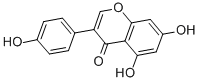
The genistein benefits are numerous, and as a noteworthy natural compound, it is gradually becoming a hot topic in the field of medical research. Its unique effects in anti-inflammatory and inhibition of tyrosine kinase have garnered considerable attention. This article aims to delve into the genistein benefits, revealing the power and value of this compound to readers. Let's explore the genistein benefits together and uncover its inherent strength and value.
Genistein, also known as dyer's broom, was first isolated from the dyer's broom Genista tinctoria in 1899, hence the chemical name derived from the common name. Its chemical synthesis was first completed in 1928. Subsequent research found genistein to be widely distributed in leguminous plant foods.
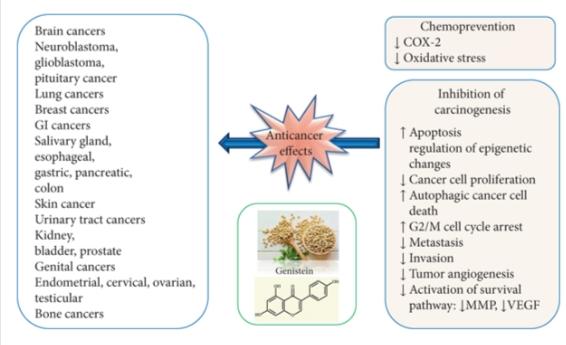
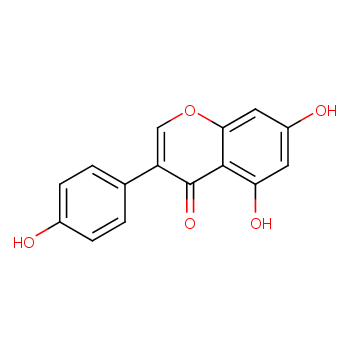
Genistein is a polyphenolic compound found in plants such as soybeans and red clover. Genistein and its glycone are the components with the highest content of soy isoflavones. The glycone of soy isoflavones is more active than the glycoside, especially genistein, which has a structure similar to β-estradiol, exhibiting antioxidant properties and high affinity for estrogen receptors. It can inhibit the activity of tyrosine protein kinase (PTK) and topoisomerase II, inducing programmed cell death, enhancing the efficacy of anticancer drugs, and inhibiting angiogenesis, belonging to isoflavones based on structural characteristics. This component is often found together with other isoflavones of soy glycosides, collectively known as soy isoflavones. The benefits of these compounds to human health have been widely studied and are promising cancer chemopreventive agents with significant effects in preventing cancer and other diseases.
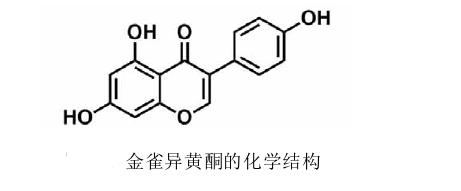
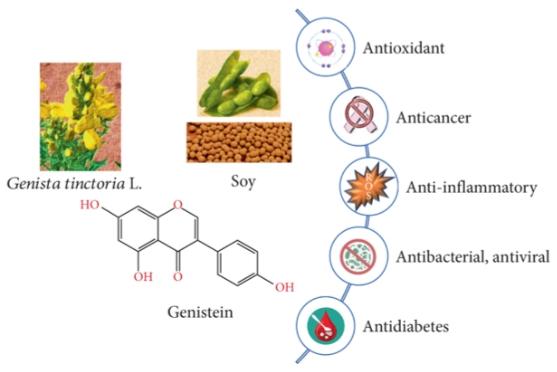
Genistein is the primary plant estrogen currently under study, exhibiting good anti-tumor effects, especially in hormone-related tumors such as breast and prostate cancer. Currently, genistein is used as an adjuvant to inhibit tumors, commonly known as Jinzhuanting capsules.
Genistein, as a broad-spectrum tyrosine kinase inhibitor, exhibits significant anti-inflammatory effects while inhibiting nitric oxide formation. Studies by Xiao Yun et al. have shown that genistein can effectively inhibit pain and inflammatory responses in rat models of osteoarthritis. Meanwhile, research by Eui-Baek Byun et al. indicated that genistein could inhibit LPS-induced inflammatory responses in macrophages. Additionally, research by Wang Ailing's team pointed out that genistein has a mitigating effect on IMQ-induced psoriasis symptoms in mice.
The significant decrease in estrogen levels in postmenopausal women due to ovarian function decline weakens the stimulation of osteoblasts by estrogen, leading to an imbalance in bone resorption, which is the most important cause of postmenopausal osteoporosis. Exogenous estrogen inhibits bone resorption and reduces bone rebuilding rate, which has been confirmed to prevent bone loss in postmenopausal women.
The elevation of plasma low-density lipoprotein and cholesterol levels, as well as lipid peroxidation, are important pathological links in the occurrence and development of cardiovascular diseases. Genistein can prevent the oxidation of low-density lipoprotein, stabilize its structure, maintain its integrity, and also block oxidative damage to vascular smooth muscle cell DNA by peroxides in the body.
Alzheimer's disease is a degenerative central nervous system disease characterized by decreased learning and memory abilities, mostly occurring in elderly individuals, with a higher incidence in postmenopausal women. Hormone replacement therapy has been a significant method for preventing and treating postmenopausal dementia in women, effectively delaying the occurrence and development of some age-related dementia diseases and reducing the risk of population incidence.
Genistein provides numerous benefits to the skin, making it a valuable component in skincare routines. One of the most significant advantages is its anti-aging properties, as it has been shown to reduce the appearance of fine lines, wrinkles, and age spots. By promoting collagen synthesis and inhibiting the breakdown of elastin fibers, genistein can help maintain the skin's firmness and elasticity, resulting in a more youthful complexion.
Genistein exhibits powerful antioxidant activity, playing a crucial role in protecting the skin from UV damage. By neutralizing free radicals and reducing oxidative stress, genistein helps prevent premature aging caused by sunlight exposure, including sunburn, sunspots, and other signs of photoaging.
Genistein has been found to enhance skin elasticity by improving hydration and moisturization. By strengthening the skin's natural barrier function and promoting cell turnover, these compounds help make the skin smoother, more resilient, and better able to withstand external stresses.
Genistein stimulates hair growth by promoting the proliferation of hair follicle cells and prolonging the hair growth phase. Studies have shown that genistein can activate signaling pathways associated with hair growth, resulting in thicker and fuller hair over time. By nourishing the scalp and stimulating blood circulation, genistein promotes the optimal environment for hair growth by delivering essential nutrients to the follicles.
Genistein plays a crucial role in strengthening hair follicles, reducing hair breakage, and preventing hair loss. It achieves this by inhibiting the activity of enzymes responsible for converting testosterone into dihydrotestosterone (DHT), a hormone associated with follicle miniaturization and baldness. By blocking the harmful effects of DHT on hair follicles, genistein helps maintain the structural integrity of follicles and prolongs the hair growth cycle.
Genistein helps improve scalp health, which is essential for maintaining the optimal environment for hair growth. It possesses anti-inflammatory and antioxidant properties, helping alleviate scalp inflammation such as dandruff, itching, and inflammation. Additionally, genistein helps regulate sebum production, preventing excessive greasiness or dryness and maintaining the scalp's natural balance. By promoting a healthy scalp environment, genistein supports the overall health and vitality of the hair, ensuring that follicles receive the nutrients needed for robust growth.
Genistein may promote prostate health. Studies suggest that genistein may help reduce the risk of prostate cancer by inhibiting the growth of cancer cells and promoting apoptosis or programmed cell death in malignant prostate tissue. Furthermore, genistein has anti-inflammatory properties that can help alleviate symptoms associated with benign prostatic hyperplasia (BPH), such as frequent urination, urgency, and nocturia. By targeting key pathways involved in prostate cancer development, genistein plays a crucial role in maintaining male prostate health and function.
Genistein may play a role in regulating testosterone levels, which is essential for overall hormone balance and male reproductive health. Research indicates that genistein can modulate the
activity of enzymes involved in testosterone metabolism, potentially leading to elevated testosterone levels in men with suboptimal hormone levels. By promoting testosterone synthesis and reducing its conversion to estrogen, genistein supports male fertility, libido, and muscle mass. However, more research is needed to fully understand the effects of genistein on testosterone regulation and its implications for male health.
As a plant estrogen, genistein exhibits estrogenic effects that can help alleviate symptoms associated with male menopause, such as hot flashes, mood swings, and fatigue. Additionally, the antioxidant and anti-inflammatory properties of genistein may help reduce the risk of age-related chronic diseases, including cardiovascular disease and osteoporosis, promoting longevity and quality of life in men. By incorporating genistein-rich foods or supplements into their diets, men can leverage its multifaceted benefits to maintain optimal health and vitality as they age.
Soybeans originated in Asia and are part of the legume family, with seeds growing in pods. In food, only the beans are used, but in industry and medicine, other parts of the plant are utilized, including the roots. It contains essential amino acids, almost 40% protein, lipids, carbohydrates, minerals, enzymes, lecithin, and vitamins A, B1, B2, C, D, and E. Soybean plants grow to a moderate height, with dark green leaves and a white or purple flower. Soybean crops were initially planted in eastern China and have since been rapidly promoted globally.
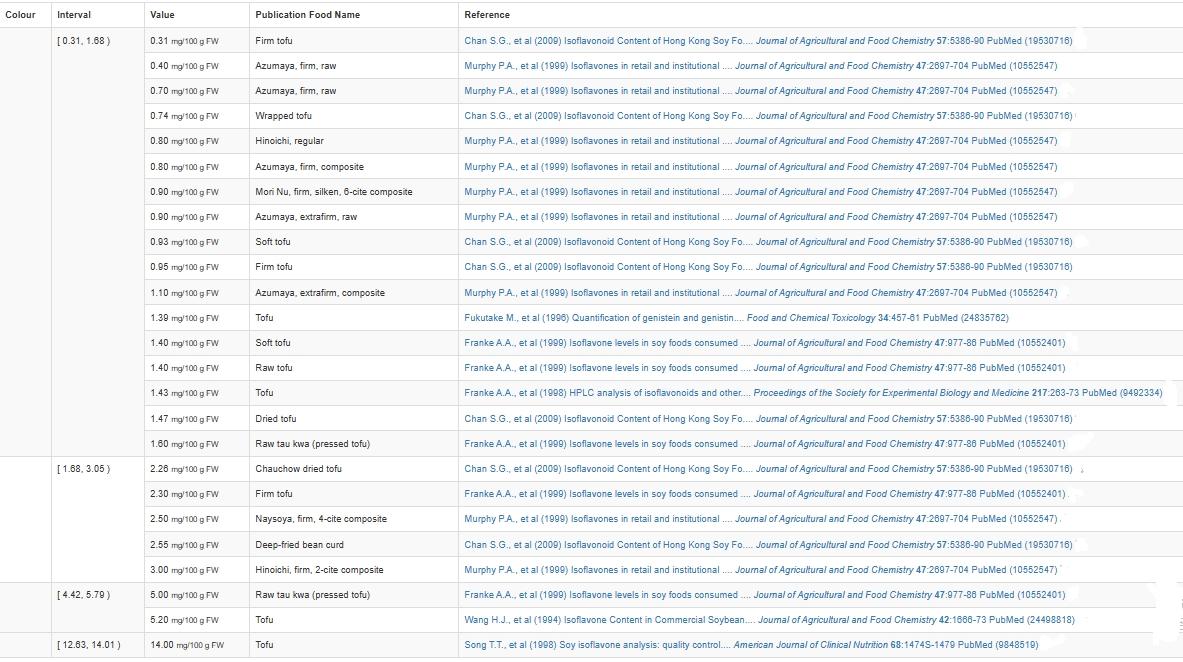
Genistein is generally obtained from plant secondary metabolites and leguminous plants, playing various roles such as UV filtering, plant coloring, and symbiotic nitrogen fixation. Research has shown that certain foods have low or lack genistein content, such as soybean oil and soy sauce, while others such as soybeans, soy nuts, soy flour, soy milk, and tofu contain varying amounts of genistein (1.9-18.5 μg/g). However, the foods with the highest genistein content are fermented foods (miso and natto), which contain 38.5-230 μg/g of genistein, due to microbial β-glucosidase cleaving the β-glucosidic bond of genistein (the naturally occurring genistein 7-O-β-d-glucoside in plants) during fermentation.
The numerous benefits of genistein highlight its potential as a valuable compound for promoting human health. From supporting prostate health and regulating male testosterone levels to stimulating hair growth and enhancing skin health, genistein offers multifaceted advantages for human health. It can modulate key pathways involved in cancer development, inflammation, and hormone regulation, underscoring its multifunctionality as a therapeutic agent. However, further research is needed to fully elucidate the mechanisms of action of genistein and its significance for disease prevention and treatment. Overall, genistein is a promising natural compound with profound benefits for human health, providing a comprehensive approach to health and longevity.
[1] Xu Jinhong. Research on the anti-inflammatory and antipruritic effects of genistein and its molecular mechanism [D]. South-Central University for Nationalities, 2021. DOI:10.27710/d.cnki.gznmc.2021.000379.
[2] https://www.ncbi.nlm.nih.gov/pmc/articles/PMC6791161/
[3] https://www.frontiersin.org/journals/pharmacology/articles/10.3389/fphar.2022.820969/full
[4] https://www.ncbi.nlm.nih.gov/pmc/articles/PMC6864469/
[5] https://www.hindawi.com/journals/omcl/2021/3268136/
|
 |
 |


 2YRS
2YRS