Understanding the side effects of medications is crucial for ensuring safe use. This article will explore the potential harpagoside side effects to help readers gain a comprehensive understanding of this drug.
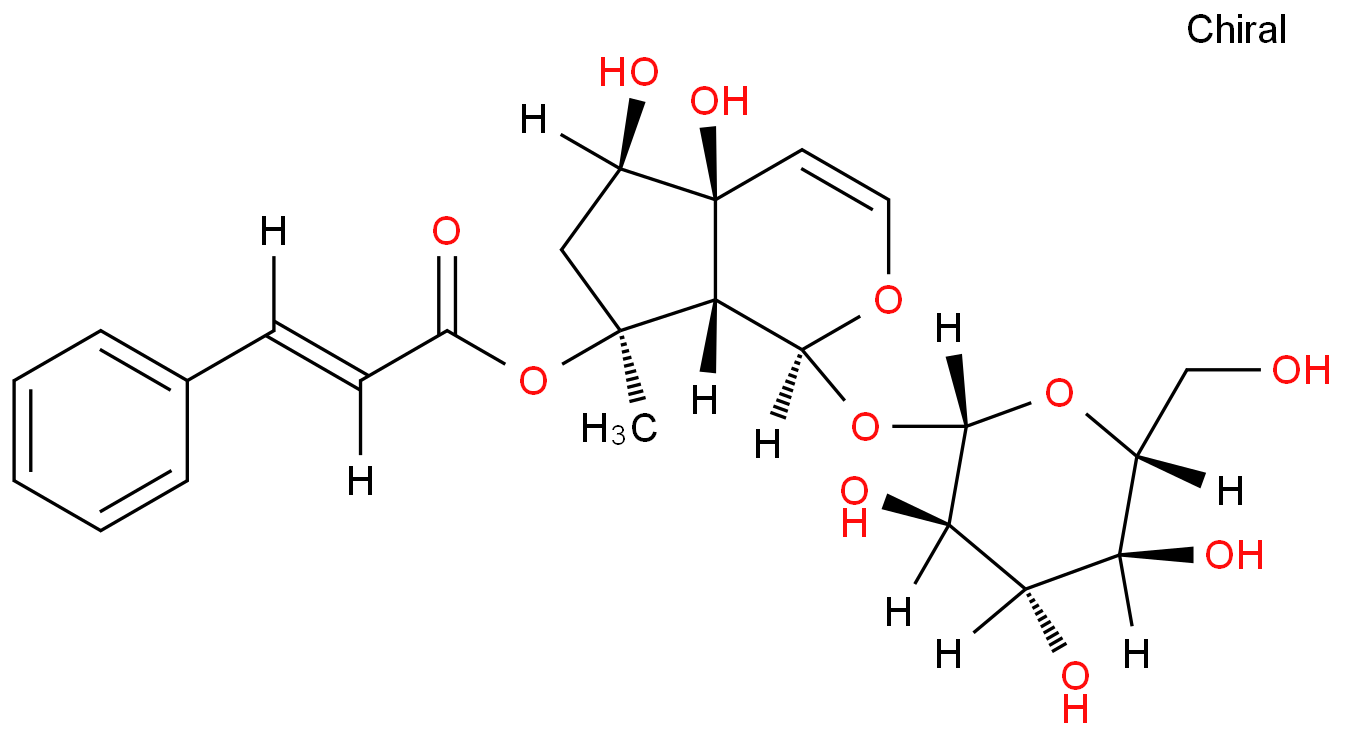
Harpagoside, found in devil's claw (Harpagophytum procumbens), is a terpene glycoside and the key active ingredient in devil's claw root extract. This South African plant has traditionally been used to relieve pain and inflammation.
Harpagophytum procumbens is a perennial herbaceous plant from the Kalahari region in southern Africa, belonging to the Pedaliaceae family. It is also known as harpago, devil's claw, grapple plant, and wood spider. The main chemical components of Harpagophytum procumbens include iridoid glycosides, sugars, triterpenoids, plant sterols, and aromatic acids. The anti-inflammatory activity of this herbal product is related to the monoterpene glycoside harpagoside.
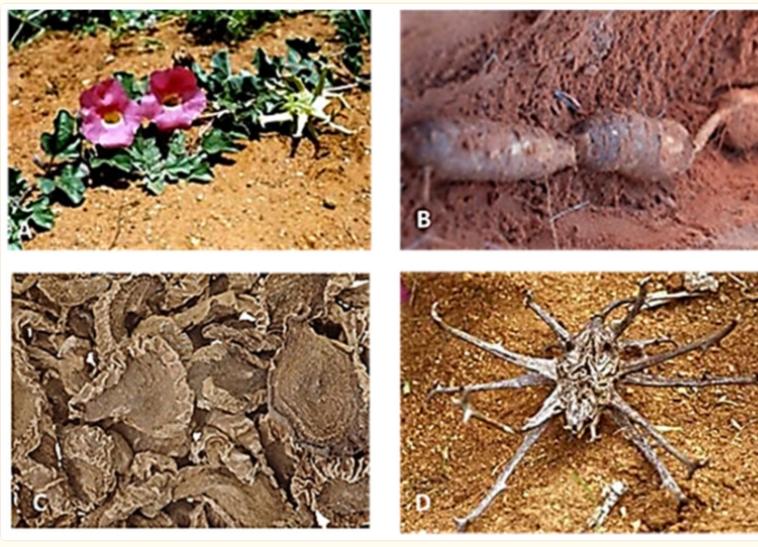
Devil's claw has historically been used as an oral herbal remedy for pain, liver and kidney problems, malaria, and fever, as well as a topical ointment for boils, ulcers, and other skin issues. It is currently most commonly used for osteoarthritis, back pain, loss of appetite, and other gastrointestinal diseases. Studies show that devil's claw has anti-inflammatory, analgesic, antioxidant, and anticancer properties. Its therapeutic effects are believed to come from the bioactive substances it contains, including iridoid glycosides, plant sterols, and flavonoids. Specifically, devil's claw contains high concentrations of harpagoside, an iridoid glycoside that appears to have strong anti-inflammatory effects.
Tom Hsun-Wei Huang et al. studied the mechanism of action of harpagoside, one of the main components of Harpagophytum procumbens, using human HepG2 hepatocarcinoma and RAW 264.7 macrophage cell lines. Harpagoside inhibited LPS-induced mRNA levels and protein expression of cyclooxygenase-2 and inducible nitric oxide in HepG2 cells. These inhibitions seem to be related to harpagoside's suppression of NF-κB activation, as pretreatment with harpagoside prevented NF-κB translocation to the nuclear compartment and inhibited degradation of the IκB-alpha subunit. Additionally, in gene reporter assays of RAW 264.7 cells, harpagoside dose-dependently inhibited LPS-stimulated NF-kappaB promoter activity, indicating that harpagoside interfered with gene transcription activation. These results suggest that harpagoside's inhibition of cyclooxygenase-2 and inducible nitric oxide expression is related to suppression of NF-kappaB activation, thereby inhibiting downstream inflammation and subsequent pain events.
If taken orally for up to one year, devil's claw may be safe for adults. However, it may cause side effects, including:
- Diarrhea
- Stomach pain
- Nausea and vomiting
- Loss of taste
- Headache
- Loss of appetite
- Tinnitus
- Changes in blood pressure
- Allergic skin reactions
- Menstrual problems
Experts do not have enough reliable evidence to recommend the safety of using devil's claw for more than one year. There is also insufficient evidence to determine the safety and potential side effects of topical use of devil's claw.
If you experience any of the following symptoms or severe side effects while using this drug, contact your doctor immediately:
- Severe heart symptoms including fast or pounding heartbeats, fluttering in the chest, shortness of breath, and sudden dizziness.
- Severe headache, confusion, slurred speech, severe weakness, vomiting, loss of coordination, or feeling unsteady.
- Severe nervous system reactions with muscle stiffness, high fever, sweating, confusion, fast or uneven heartbeats, tremors, or feeling like you might pass out.
- Severe eye symptoms including blurred vision, tunnel vision, eye pain or swelling, or seeing halos around lights.
This is not a complete list of possible side effects or adverse reactions from using this medication. Call your doctor for medical advice about serious side effects or adverse reactions.
If people:
Devil's claw may not be suitable for pregnant women and may cause harm to the fetus, posing a higher risk of unsafe interactions with devil's claw.
There is insufficient evidence for doctors to know if devil's claw is safe for breastfeeding women.
Devil's claw may lower the body's sodium levels, potentially worsening symptoms in people with already low sodium.
Devil's claw may lower blood sugar levels. If diabetic patients use it with other blood sugar-lowering medications, it could cause blood sugar to drop too low.
Devil's claw may affect heart rate and blood pressure. It could be harmful to people with heart and circulatory system diseases.
Devil's claw may increase bile production, which could be harmful to those with gallstones.
Devil's claw may increase stomach acid production, which could worsen stomach ulcers.
(1) Do not take devil's claw if you are allergic to any of the ingredients in the formula.
(2) Do not give devil's claw to children.
(3) Avoid taking devil's claw if you have any of the following conditions:
Cardiovascular issues: Devil's claw may affect heart rate and blood pressure.
Gallstones: Devil's claw may increase bile production and worsen the condition.
Low sodium levels: Devil's claw may further reduce sodium levels.
Peptic ulcer disease: Devil's claw may increase stomach acid production and worsen the condition.
(4) Devil's claw may interact with certain medications because it can affect how the liver breaks down some drugs. Patients should be cautious and discuss the safety of using devil's claw with their doctor. Devil's claw may also interact with nonsteroidal anti-inflammatory drugs, blood thinners, and medications that reduce stomach acid.
People commonly take devil's claw to treat inflammation or inflammatory symptoms such as arthritis or gout. Natural anti-inflammatory alternatives to devil's claw include:
Turmeric
Zinc
Green tea
Omega-3 fatty acids
Capsaicin
Frankincense
(1) Devil's claw may be safe for most adults when used at recommended doses for up to 12 weeks.
(2) Use devil's claw exactly as directed on the label. Natural products are not always safe, and following the recommended dosage is essential.
(3) Consult your healthcare provider before taking any herbal supplements, including devil's claw, especially if you have any health conditions or are taking any conventional medications.
(4) Herbal products often contain many ingredients. Check the label of your chosen devil's claw product for its components.
(5) Devil's claw is sold as an herbal supplement and is not regulated by the FDA. Product formulations and strengths may vary, and labels may not always match the contents; exercise caution when selecting a product.
(6) Store devil's claw supplements safely out of children's reach.
(7) If an overdose occurs, seek medical help or contact a poison control center.
Overall, understanding and recognizing harpagoside side effects is key to ensuring the safe use of this medication. Before using harpagoside or any other medication, readers are advised to prioritize their health and safety and consult with healthcare professionals. They can provide personalized guidance and recommendations to minimize potential side effect risks when using the medication.
[1] https://pubmed.ncbi.nlm.nih.gov/16203115/
[2] https://www.ncbi.nlm.nih.gov/pmc/articles/PMC8031842/
[3] https://www.medicalnewstoday.com/articles/devils-claw
[4] https://versusarthritis.org/about-arthritis/complementary-and-alternative-treatments/types-of-complementary-treatments/devils-claw/
[5] https://www.medicinenet.com/devils_claw/article.htm
[6] https://en.wikipedia.org/wiki/Harpagoside
[7] https://www.sciencedirect.com/topics/pharmacology-toxicology-and-pharmaceutical-science/harpagoside
 |
 |
|


 15YRS
15YRS

