Harpagoside, as a medicinal compound, has various applications in the medical field. This article will introduce the uses of harpagoside in treating diseases and its role and effects in clinical practice.

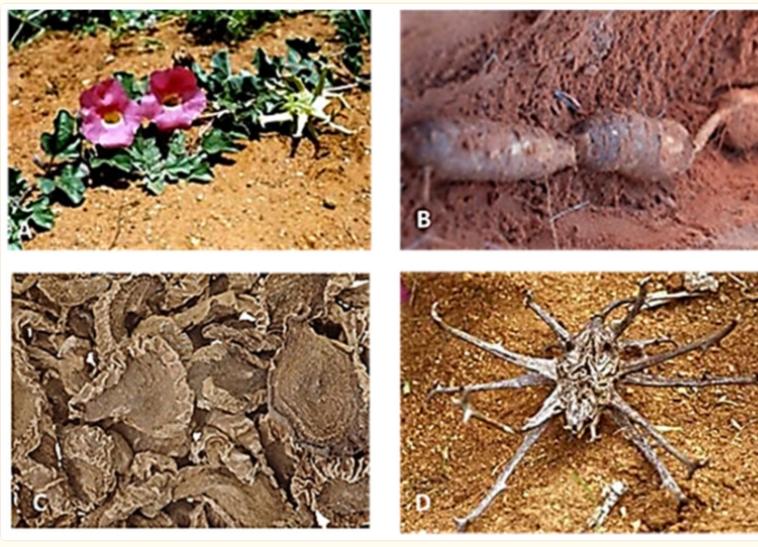
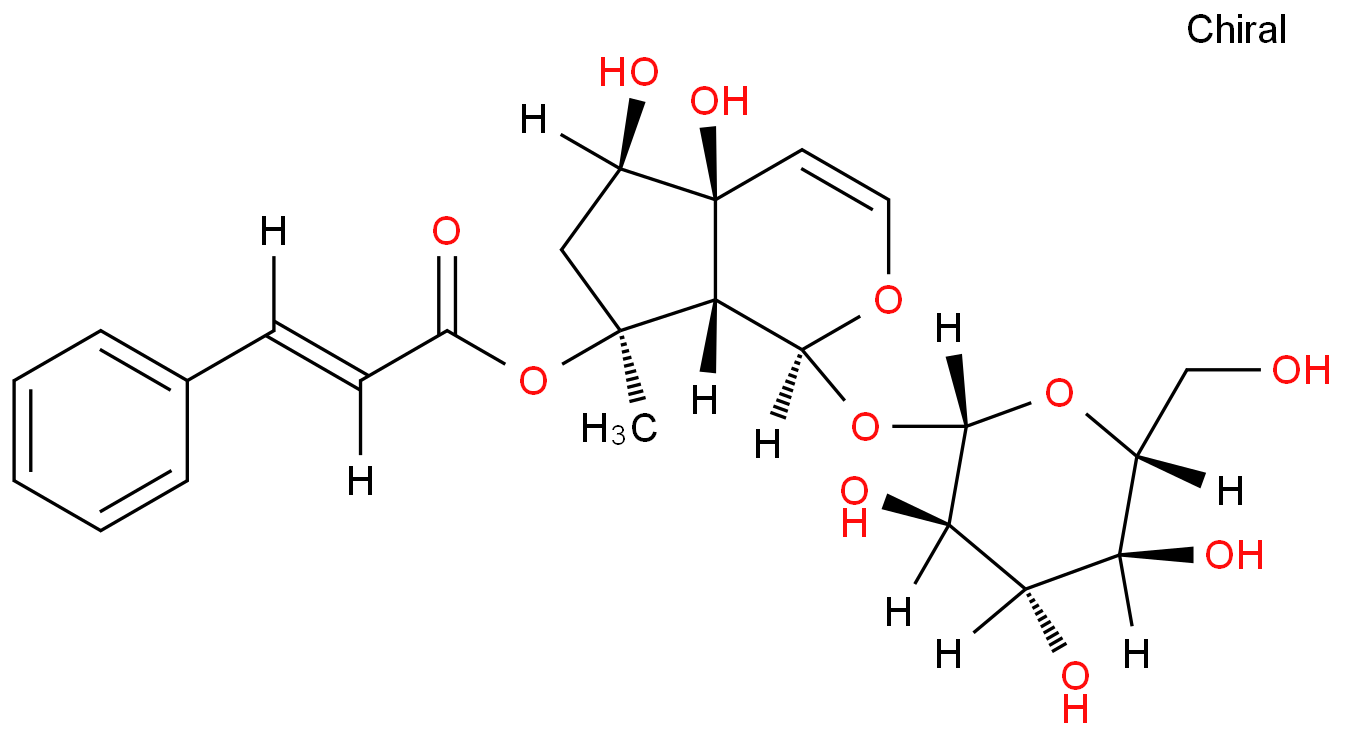
Harpagoside is an iridoid glycoside, first isolated from Harpagophytum procumbens (Devil's Claw, Pedaliaceae), a medicinal plant. It is the main constituent of iridoid glycosides in this plant. Both the purified compound and Devil's Claw extract exhibit potent anti-rheumatic, anti-inflammatory, and analgesic effects. According to the European Pharmacopoeia, commercial Devil's Claw products should contain at least 1.2% harpagoside.
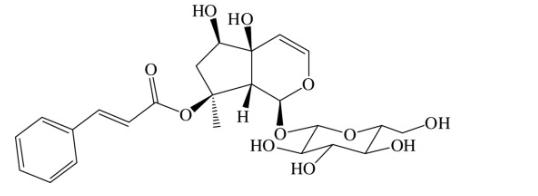
Recent studies have isolated this compound from other plant species and in vitro plant culture systems. Iridoid glycosides are found in many Scrophularia species, with harpagoside being a significant one. Sesterhenn et al. (2007) suggested that Scrophularia might be a useful substitute, finding similar concentrations of harpagoside in Scrophularia leaves compared to Harpagophytum procumbens tubers. Faivre (2007) noted that the high concentration of harpagoside in standardized fluid extracts prepared from fresh plant material, along with aucubin and phenolic acids found in Scrophularia but not in Harpagophytum procumbens, makes Scrophularia a significant herb for treating functional and arthritic joint diseases. It is well-tolerated and especially suitable for relieving exacerbated joint pain, like shoulder pain, and may be particularly effective for psoriatic arthritis, potentially serving as an alternative treatment alongside other herbs. Patients with this condition often take disease-modifying anti-rheumatic drugs, necessitating careful selection of supportive therapies (Gordon and Ruderman 2006). Other Scrophularia species also contain harpagoside, such as Scrophularia scorodonia and Scrophularia ningpoensis. Hot water extraction is most effective for iridoid glycosides (Suomi et al. 2000).
Harpagoside is a compound found in the roots and tubers of the Devil's Claw plant (Harpagophytum procumbens) with a long history of use in traditional medicine and increasing attention in modern healthcare.
For centuries, African cultures, particularly the Nama and Bantu tribes, have used Devil's Claw as a natural remedy. Traditional uses include:
- Pain relief: Decoctions or poultices made from the roots are applied topically to relieve pain associated with rheumatism, arthritis, and back pain.
- Fever reduction: The plant's anti-inflammatory properties help control fever.
- Digestive issues: Harpagoside might be used to treat stomach ailments like heartburn and indigestion.
Modern medicine is exploring the potential of harpagoside for various conditions:
- Osteoarthritis: Studies suggest harpagoside may relieve pain and improve function in osteoarthritis patients, similar to some conventional medications.
- Lower back pain: Research is ongoing to determine the efficacy of harpagoside in treating lower back pain.
- Inflammation: Harpagoside's potential anti-inflammatory properties are being used to treat various inflammatory diseases.
Traditional medicine focuses on topical pain relief, digestive issues, and fever reduction, while modern uses tend towards treating osteoarthritis and lower back pain through its potential anti-inflammatory and analgesic effects.
The main pharmacological activity of Harpagophytum extracts is attributed to harpagoside. Devil's Claw, derived from the roots of Harpagophytum plants native to South Africa, has been traditionally used to treat various symptoms for centuries. Currently, its most common use is in pain management. A 2007 review of evidence found five systematic reviews of Devil's Claw, with strong evidence supporting its effectiveness for lower back pain and osteoarthritis pain in the knee and hip. This effect is comparable to NSAIDs. The review concluded, "Given the strong evidence for the efficacy of Devil's Claw, it should be considered as a potential first-line treatment before NSAIDs." The dosage should be at least 50 mg of harpagoside, with the effect being dose-dependent.
Commercial Harpagophytum procumbens products are standardized to contain at least 1.2% harpagoside according to the European Pharmacopoeia. Studies evaluating 15 pharmacological studies on Harpagophytum extracts concluded that a daily intake of at least 50 mg of harpagoside effectively treats arthritis. It is reported to relieve pain in 60% of patients with hip or knee osteoarthritis or non-specific lower back pain. Oral doloteffin, a standardized Devil's Claw extract, providing 60 mg of harpagoside daily, improved knee osteoarthritis after up to 54 weeks. Clinical studies clearly confirm the positive effects of standardized harpagoside-containing products in treating arthritis.
These medications are generally well-tolerated with few side effects, the most common being diarrhea. Caution is advised when combining with anticoagulant drugs.
Current scientific evidence is limited in definitively proving that harpagoside can directly alleviate digestive system diseases, but some studies suggest its potential benefits.
Harpagoside has anti-inflammatory properties. Inflammation in the digestive tract can lead to various digestive disorders. Theoretically, the anti-inflammatory action of harpagoside may benefit certain digestive issues, but more research is needed.
Research specifically targeting harpagoside for digestive problems is limited. However, some studies on Devil's Claw containing harpagoside indicate potential in relieving pain associated with inflammation. This pain relief might imply reduced discomfort from digestive system inflammation.
While the exact mechanisms are still under investigation, studies indicate that harpagoside combats inflammation through multiple pathways:
- Inhibition of inflammatory enzymes: Harpagoside inhibits enzymes like COX-2 that play roles in inflammation.
- Reduction of cytokine production: Cytokines are signaling molecules that trigger inflammation. Harpagoside may help downregulate their production.
- Antioxidant activity: Harpagoside's antioxidant properties may help reduce oxidative stress that leads to inflammation.
Due to its anti-inflammatory effects, harpagoside has potential in treating chronic inflammatory conditions, such as:
- Osteoarthritis: Research indicates harpagoside may be as effective as some NSAIDs in reducing pain and improving function in osteoarthritis patients.
- Lower back pain: Several studies suggest that extracts containing >50 mg of harpagoside may help relieve lower back pain (Chrubasik et al., 2002).
- Other inflammatory conditions: Preliminary studies indicate that harpagoside might help treat conditions like tendinitis and bursitis.
Consult healthcare professionals before using harpagoside for any condition.
Autoimmune diseases occur when the immune system attacks healthy tissues. Though research is ongoing, harpagoside's anti-inflammatory properties may offer potential benefits for certain autoimmune diseases. However, more research is necessary to determine its efficacy and safety in this context. Harpagoside should not be used as a substitute for conventional treatments of autoimmune diseases. Consult a doctor before using harpagoside if you have an autoimmune disease.
Harpagoside holds promise in sports medicine for aiding athlete recovery and pain management. Its anti-inflammatory properties make it valuable in reducing inflammation related to sports injuries, thus speeding up the healing process.
Athletes frequently face muscle soreness and overuse injuries due to training demands. Harpagoside shows potential in alleviating muscle soreness and discomfort, offering athletes a natural alternative for managing these issues. Additionally, its ability to reduce oxidative stress may further aid recovery from overuse injuries.
While harpagoside offers significant benefits, athletes must adhere to recommended dosages and consider safety precautions. Dosage recommendations may vary based on injury severity and individual factors. Athletes should consult healthcare professionals familiar with their medical history and sports needs to determine the appropriate dosage. Considering potential interactions with medications or health conditions, athletes must prioritize safety and seek qualified healthcare advice before incorporating harpagoside into their regimen.
Harpagoside, as a medicinal compound, has a broad range of applications, including treating various diseases and symptoms. However, ensuring safety is crucial when using harpagoside or any other medication. Therefore, we encourage readers to prioritize their health and safety and consult healthcare professionals before using any medication. They can provide tailored guidance based on individual circumstances, ensuring minimal potential risks and side effects during treatment.
[1] https://www.sciencedirect.com/science/article/abs/pii/S0031942213001490
[2] https://www.sciencedirect.com/topics/pharmacology-toxicology-and-pharmaceutical-science/harpagoside
[3] https://www.sciencedirect.com/science/article/abs/pii/B9780702034220000195
[4] https://www.sciencedirect.com/science/article/abs/pii/B9780443103445000331
[5] https://www.sciencedirect.com/science/article/abs/pii/B9780323358682000670
[6] https://www.ncbi.nlm.nih.gov/pmc/articles/PMC8031842/
 |
|
 |


 15YRS
15YRS

