-
We detected your language preference as English. Would you like to switch to the English version for a better experience?
Switch to English
Stay here


Hexafluorozirconic acid, as an important inorganic compound, has a wide range of applications across various fields. This article explores the various uses of hexafluorozirconic acid in material science and other industrial and research areas.

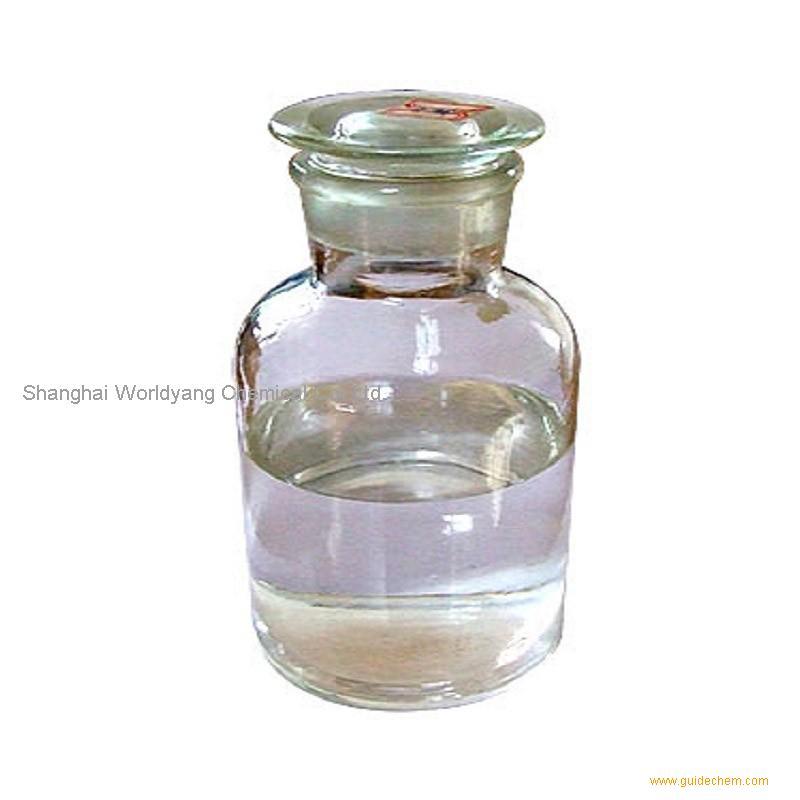
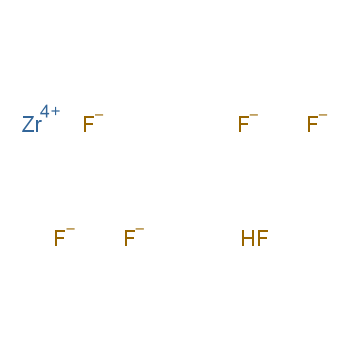
Hexafluorozirconic Acid, also known as Hexafluorozirconic Acid, CAS: 12021-95-3, has the molecular formula F6HZr- and appears as a clear, colorless solution.

Hexafluorozirconic acid (HFZA) is primarily used by customers in the metal and electroplating industries as a corrosion inhibitor. Although it can be used on other metals, it shows the highest efficiency on aluminum. Customers are using hexafluorozirconic acid as an alternative to nickel-based products due to its lower environmental, health, and safety hazards. The applications of hexafluorozirconic acid include electroplating, aluminum lacquer in non-chromium processes, synthesis of fluoride-releasing dental monomers, as a precursor for ZrO2 ceramic thin films, and metal passivation.
Hexafluorozirconic acid is used for the following purposes: corrosion-resistant surface pretreatment of hexafluorozirconic acid-based steel, preparation of titanium dioxide photocatalysts synthesized from ionic liquid precursors, synthesis of fluoride-releasing dental monomers, and as a precursor for ZrO2 ceramic thin films.
(1) Hexafluorozirconic acid is an inorganic compound in aqueous solution, mainly used in the manufacture of optical glass. Fluorozirconates are corrosion inhibitors for surface pretreatment in the metal industry. Hexafluorozirconic acid is most effective on aluminum but can also be used on other metals.
(2) Hexafluorozirconic acid is a commonly used corrosion inhibitor for steel and other metal surfaces. It serves as an alternative to phosphates in the treatment of galvanized steel and cold-rolled steel. Hexafluorozirconic acid is used for non-chromium surface passivation and as an active ingredient in film coatings.
(3) Hexafluorozirconic acid is applied as a corrosion inhibitor in conversion liquids: for corrosion protection of light metals or light metal alloys, conversion liquids containing hexafluorozirconic acid inhibitors are used. These light metals are immersed in a hexafluorozirconic acid bath for a period, forming a conversion layer that protects the treated metal from corrosion.
Hexafluorozirconic acid plays an important role in surface treatment and metal finishing, offering various advantages:
One of the primary functions of hexafluorozirconic acid is to form a protective layer on metal surfaces. This layer acts as a barrier, preventing the interaction of metal with corrosive elements such as moisture, oxygen, or salt. This significantly improves the lifespan and overall integrity of the metal.
N.W. Khun et al. studied steel samples treated in hexafluorozirconic acid solution for varying durations. X-ray photoelectron spectroscopy (XPS) showed the presence of a zirconium oxide (ZrO2) layer on treated steel. With prolonged treatment, the water contact angle on the treated steel increased, indicating that hexafluorozirconic acid treatment enhanced the hydrophobicity of the surface. Corrosion results indicated that longer acid treatment times improved the corrosion resistance of treated steel in 0.5 M NaCl solution due to a better ZrO2 layer formed on the steel surface. Scanning Kelvin probe (SKP) measurements indicated that longer acid treatment times significantly slowed down the cathodic delamination rate of polyurethane coatings on treated steel substrates due to higher coating adhesion strength.
Hexafluorozirconic acid treatment can promote better adhesion between metals and subsequent coatings, such as paint, varnish, or powder. This strong bond ensures the longevity of the coatings, preventing peeling, chipping, or flaking.
Hexafluorozirconic acid is used in various demanding industries due to its effectiveness:
A. Aerospace: In the aerospace industry, lightweight metals are crucial for aircraft manufacturing. Hexafluorozirconic acid treatment protects these metals from corrosion, which is critical for flight safety and maintaining structural integrity.
B. Automotive: The automotive industry uses hexafluorozirconic acid to protect car bodies and components from harsh weather conditions and road salt. This not only extends the vehicle's lifespan but also maintains its aesthetic appeal.
C. Construction: Building materials such as steel beams and fasteners benefit from hexafluorozirconic acid treatment. This enhances their resistance to environmental factors, ensuring the structural stability and longevity of buildings and bridges.
HFZA acts as a fluxing material, lowering the melting point of other glaze components and promoting a smooth, glass-like surface finish on ceramics. This allows for a wider firing temperature range, making the glazing process more forgiving for manufacturers.
By incorporating zirconium into the glaze matrix, HFZA can enhance the strength of ceramics, making them more resistant to scratching, wear, and chemical attack. This is particularly important for applications such as tableware, countertops, and sanitary ware.
One of the primary applications of hexafluorozirconic acid is in the synthesis of organic and fluorinated compounds. The introduction of fluorine can significantly alter the properties of compounds, often enhancing their stability, hydrophobicity (water-repellence), or introducing specific functionalities valuable in drug development or materials science. Researchers have utilized hexafluorozirconic acid to synthesize a range of compounds, including:
Fluorine substitution can enhance the bioavailability or metabolic stability of drug candidates, making them more effective therapeutic agents.
Fluorine incorporation can enhance the potency or degradation resistance of agrochemicals, extending their duration of action and reducing environmental impact.
Researchers continuously explore the use of hexafluorozirconic acid to synthesize novel organic molecules with specific properties and functionalities for various applications such as optical materials, electronic materials, and polymer chemistry.
Hexafluorozirconic acid also plays a crucial role in producing advanced materials with unique properties. Some notable examples include:
Researchers use hexafluorozirconic acid to synthesize specific semiconductor materials with desired electrical properties for manufacturing electronic devices and components.
Hexafluorozirconic acid can act as a precursor for introducing zirconium into glass matrices, potentially developing stronger and more durable glass formulations for construction, transportation, and other applications.
Puomi et al. attempted to use commercial hexafluorozirconic acid and zirconium salts with fluozirconic acid as zirconium oxide pretreatment chemicals on hot-dip galvanized and Galfan-coated steels. S. Adhikari et al. studied zirconium oxide coatings on steel and compared the corrosion performance of coatings using hexafluorozirconic acid and commercial chemicals TecTalis (Henkel Corporation). Zhai et al. reported using hexafluorozirconic acid obtained from Advance Research Chemicals Inc. and Bonderite NT-1 obtained from Henkel Corporation to replace the phosphating process on cold-rolled steel with FZ (commercially diluted hexafluorozirconic acid-based) and MFZ (commercial Bonderite NT-1 solution-based) coatings. Verdier et al. attempted zirconium oxide pretreatment of hot-dip galvanized and Galfan-coated steel surfaces using commercial H2ZrF6 and HF. They also attempted using hexafluorozirconic acid and hexafluorotitanic acid solutions provided by Aldrich. Eivaz et al. studied the effect of pH on commercial Bonderite NT-1 coatings. Ramanathan and Balasubramanian investigated the mechanism of Bonderite NT-1 coatings on low-carbon steel. A. Yi et al. reported the effect of tannic acid on H2ZrF6 coatings.
The applications of hexafluorozirconic acid span multiple fields, including but not limited to materials science, compound synthesis, and other industrial and research areas. As research continues to delve into its properties and applications, more innovative application areas and methods are expected to be discovered and developed. The wide-ranging uses of hexafluorozirconic acid provide significant support for scientific research and industrial production while offering abundant possibilities for future research and innovation.
[1] https://www.sciencedirect.com/science/article/abs/pii/S030094401300266X
[2] https://www.researchgate.net/publication/239950159_Nano-ceramic_hexafluorozirconic_acid_based_conversion_thin_film_Surface_characterization_and_electrochemical_study
[3] https://atamankimya.com/
[4] https://www.sigmaaldrich.com/
[5] https://www.sciencedirect.com/science/article/abs/pii/S0257897216305898
[6] https://onlinelibrary.wiley.com/doi/abs/10.1002/maco.201508255
|
 |
 |
 |
 |
 EN
EN
 Agricultural News
 Food News
 Industrial News
 Cosmetic News
 Pharmaceutical News
 Science News

 1YR
1YR

