-
We detected your language preference as English. Would you like to switch to the English version for a better experience?
Switch to English
Stay here


Hexafluorozirconic acid is an important inorganic compound with a wide range of applications. This article explores its chemical properties, synthesis methods, and uses in materials science and chemical industry.

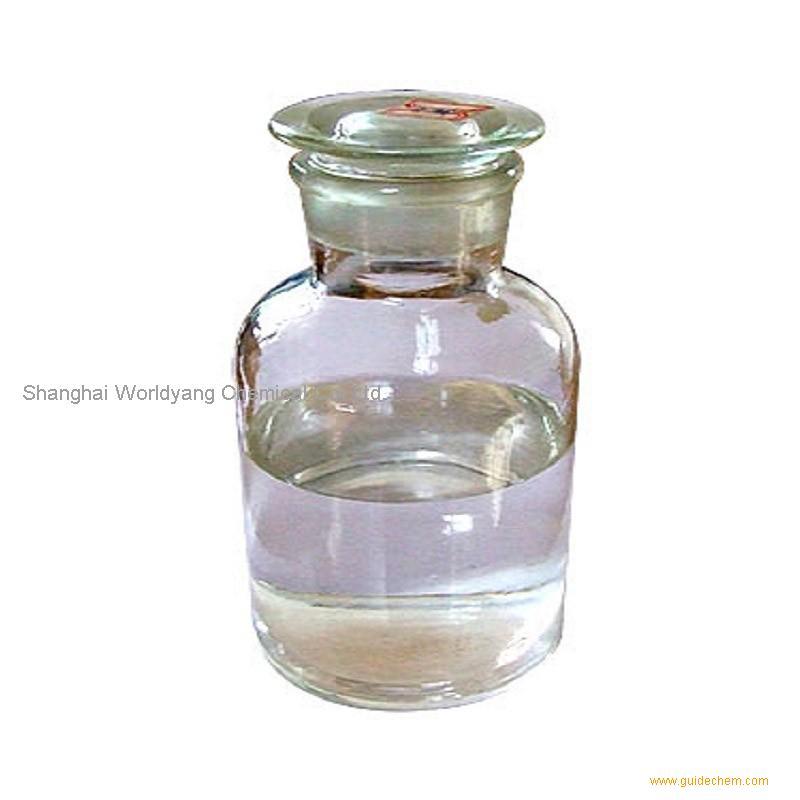
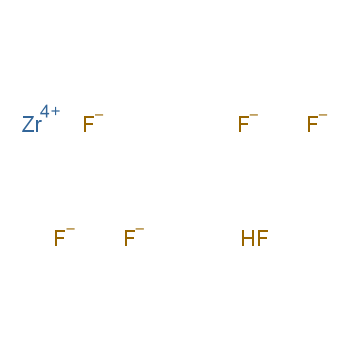
Hexafluorozirconic acid (HFZA) is a chemical compound with the molecular formula H2ZrF6. HFZA is a colorless to light blue or green liquid. Due to the fluorine atoms bonded to zirconium, it is a strong acid. Its theoretical molecular weight is 207.23, and its density is about 1.5 g/mL. HFZA is highly soluble in water. HFZA is a well-known corrosion inhibitor, particularly effective for aluminum. It is advantageous over chromium-based alternatives due to its lower environmental and health hazards. HFZA can be used in various inorganic chemical reactions. It is used in the preparation of titanium dioxide photocatalysts and zirconium oxide films, which can be applied in solar cells and other technologies.
Dissolve zirconium oxide (IV) powder (MFPL - Madras Fluorine Pvt. Ltd.) (1 g to 2 g) in 12 g to 30 g of 40% to 48% HF in a PTFE (polytetrafluoroethylene) beaker, stirring continuously at 30°C to 40°C for 1 hour, 4 hours, and 12 hours until a clear solution is obtained (Table 1). After 12 hours of processing, only a small amount of insoluble white impurity residue remains. The supernatant clear solution is centrifuged and evaporated in a PTFE dish at 90°C to 105°C to obtain white crystals of hexafluorozirconic acid.

Hexafluorozirconic acid is primarily used by customers in the metal and coating industries as a corrosion inhibitor. It is most effective for aluminum but can also be used for other metals. Customers use hexafluorozirconic acid as a substitute for nickel-based products, which are more hazardous, in terms of environmental and health safety regulations. Its applications include:
(1) Electroplating
(2) Aluminum paint in chromium-free processes
(3) Synthesizing fluoride-releasing dental monomers, as a precursor to ZrO2 ceramic films, and for metal surface passivation
(4) Reducing by-product sludge generation, such as in zinc phosphate-based systems
Hexafluorozirconic acid poses several safety hazards:
(1) Corrosivity: It is corrosive to skin, eyes, and metals. Contact can cause severe burns and irritation. According to ADR, IMDG, and IATA regulations, it is classified as a Class 8 product. The associated UN code is 2922.
(2) Toxicity: Inhalation and ingestion can be harmful, leading to respiratory issues and gastrointestinal discomfort.
(3) Fluoride release: Upon heating, it decomposes, releasing hazardous hydrogen fluoride gas.
Do not inhale dust or mist. Wash thoroughly after handling. Wear protective gloves/clothing/eye protection/face protection. Do not eat, drink, or smoke when using this product.
Follow good industrial hygiene practices. Wear appropriate personal protective equipment. Do not expose to high temperatures as the product may expand and pressurize the container. Do not taste or swallow. Wash hands thoroughly after handling. When mixing with water, add the material to water slowly, not water to the material. Avoid contact with eyes, skin, and clothing.
Dispose of contents/container in accordance with applicable laws and regulations and the product's characteristics at the time of disposal.
Rinse mouth with water. Call a doctor or poison control center immediately. Do not give anything by mouth to an unconscious person. Do not induce vomiting without advice from a poison control center.
Call a doctor or poison control center immediately. If breathing stops, perform artificial respiration. Move to fresh air. If breathing is difficult, give oxygen.
Call a doctor or poison control center immediately. Wash with plenty of water for at least 15 minutes while removing contaminated clothing and shoes. Wash contaminated clothing before reuse.
Rinse with plenty of water for at least 15 minutes. If easy to do, remove contact lenses. Call a doctor or poison control center immediately.
Hexafluorozirconic acid is used in various industrial applications, but it poses environmental concerns due to its persistence and potential fluoride release. Fortunately, several more environmentally friendly alternatives are being explored:
Phosphoric acid is another readily available and biodegradable acid that can be used for metal cleaning and pretreatment processes.
These coatings offer excellent corrosion resistance and can be formulated with less hazardous materials compared to hexafluorozirconic acid-based treatments.
These coatings form at low temperatures and can be customized with various organic and inorganic components, providing a versatile and potentially more environmentally friendly alternative.
The choice of an alternative depends on the desired application and performance requirements.
While more environmentally friendly alternatives are emerging, hexafluorozirconic acid still has some advantages:
Hexafluorozirconic acid-based conversion coatings provide excellent corrosion resistance for various metals, including aluminum and magnesium.
Hexafluorozirconic acid can be used under various bath conditions (pH and temperature), allowing it to adapt to different production processes.
Hexafluorozirconic acid has a long history of use in industrial applications, with well-established safety handling procedures and knowledge.
However, it is important to weigh these benefits against the environmental drawbacks and explore greener options whenever possible. Research and development are ongoing to enhance the performance and environmental profile of alternative treatments, making them more competitive in the future.
Overall, hexafluorozirconic acid is an important inorganic compound with multiple potential applications. With further research into its properties and uses, it is expected that more innovative discoveries and applications will emerge. For future research and industrial applications, we look forward to more breakthroughs and innovations to fully harness the capabilities of hexafluorozirconic acid in various fields.
[1]https://sds.chemtel.net/
[2]https://www.sciencedirect.com/science/article/abs/pii/S0257897216305898
[3]https://www.honeywell-pmt.com/
[4]https://connectchemicals.com/en/product-finder/hexafluorozirconic-acid-hfza
[5]https://www.sciencedirect.com/science/article/abs/pii/S0013468610009692
[6]https://www.linkedin.com/pulse/hexafluorozirconic-acid-solution-market-share-2031-pnpqf
 |
|
 |
 |
 |
 EN
EN
 Agricultural News
 Food News
 Industrial News
 Cosmetic News
 Pharmaceutical News
 Science News

 1YR
1YR

