-
We detected your language preference as English. Would you like to switch to the English version for a better experience?
Switch to English
Stay here


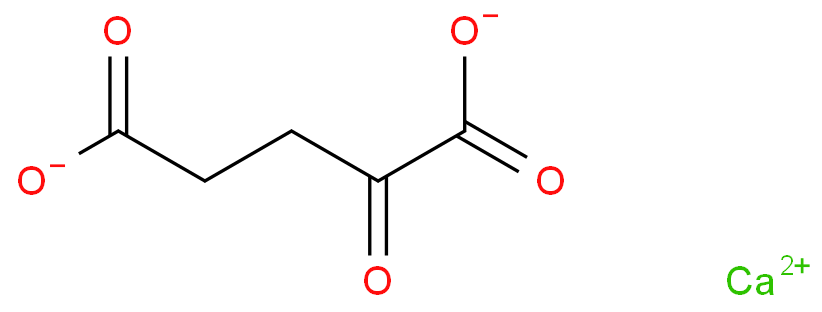
Calcium 2-Oxoglutarate (Calcium Alpha-Ketoglutarate, Ca-AKG) has become a strategic ingredient in longevity supplements, infant nutrition research, and advanced cell culture applications. For procurement managers, selecting the right grade requires more than comparing assay values. This guide examines purity benchmarks, powder engineering, bulk pricing, sourcing strategies, and warehouse standards to help buyers optimize quality, compliance, and total landed cost.

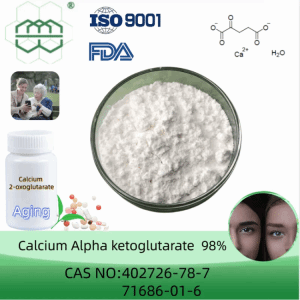
In today's global nutraceutical and pharmaceutical supply chain, the mainstream benchmark for high-quality Calcium 2-Oxoglutarate (CAS 71686-01-6) is an assay value of ≥98.0% by HPLC. While some specialty manufacturers advertise 99%+ refined grades, procurement teams should evaluate the entire impurity profile rather than focusing exclusively on assay numbers.
For industrial buyers, a Certificate of Analysis (COA) should include verification of heavy metals, arsenic, moisture content, residual free α-ketoglutaric acid, and elemental contaminants. Failure to audit these parameters can result in batch rejection, formulation instability, or regulatory compliance risks.
A 98% grade is generally sufficient for dietary supplements and functional nutrition products. However, 99% refined grades are increasingly requested for advanced cell culture media, infant nutrition R&D, and highly standardized anti-aging formulations where impurity variability can influence product claims and batch reproducibility.
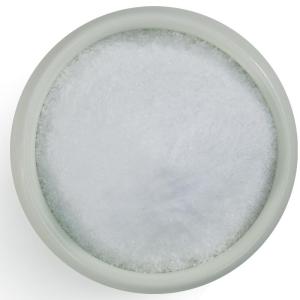
The answer depends entirely on downstream manufacturing requirements. Fine powder Calcium 2-Oxoglutarate typically ranges between 80–100 mesh and provides excellent dispersibility and dissolution characteristics. However, higher surface area also increases electrostatic charging and caking risks.
Typical engineering parameters include:
For direct compression tablet production, granular grades often outperform fine powders because they reduce the need for flow-enhancing excipients and improve die-filling consistency.
Therefore, powder is not universally "better." The optimal selection should be determined jointly by procurement, R&D, and production engineering teams before purchase orders are issued.
Pricing varies substantially depending on purity grade, certification level, packaging configuration, and annual contract volume. In most international procurement projects, bulk purchasing can reduce per-kilogram acquisition costs by approximately 15–25% compared with pilot-scale orders.
For international shipments exceeding one metric ton, ocean freight typically provides significantly lower landed costs than air cargo. Procurement teams should evaluate not only EXW pricing but also customs duties, local transportation, insurance, quality inspections, and inventory carrying costs.
The global Calcium Ketoglutarate market continues to expand as longevity and healthy-aging applications gain commercial traction. Market analyses indicate sustained demand growth through 2032, driven primarily by nutraceutical formulations and healthy-aging products. Consequently, supply contracts have become increasingly important for manufacturers seeking pricing stability.
Rather than committing to a single large inventory purchase, many experienced buyers negotiate rolling contracts featuring fixed annual pricing combined with staged deliveries and periodic invoicing. This approach reduces exposure to raw-material volatility while preserving working capital flexibility.
Strong procurement programs focus on supply continuity rather than simply securing the lowest spot-market price. The cheapest batch today can become the most expensive purchase if supply disruptions halt production next quarter.
Analysts project continued growth in the calcium ketoglutarate market, particularly within longevity and anti-aging supplement categories, reinforcing the importance of long-term supplier qualification and strategic sourcing programs.
Expert Commentary: Procurement directors should evaluate suppliers using a three-dimensional framework: manufacturing capacity, analytical capability, and contract flexibility. In 2026, resilience often creates more enterprise value than marginal price reductions. Suppliers capable of supporting blanket orders, safety stock programs, and emergency replenishment should receive higher qualification scores.
For international procurement teams, supplier verification is often more challenging than price negotiation. Modern digital sourcing platforms have become essential for identifying qualified manufacturers, comparing technical dossiers, and conducting cross-border supplier audits.
Guidechem serves as a global B2B chemical sourcing hub connecting buyers with verified manufacturers operating under quality systems such as ISO 9001, GMP, HACCP, and other internationally recognized compliance frameworks.
Digital RFQ workflows enable procurement managers to:
Compared with traditional sourcing methods, structured digital procurement significantly improves transparency and reduces information asymmetry between buyers and suppliers.
Although Calcium 2-Oxoglutarate is considerably more stable than free α-ketoglutaric acid, it remains susceptible to moisture absorption during long-term storage. Excess humidity may promote caking, localized pH shifts, and gradual degradation.
Recommended warehouse parameters include:
Following sample withdrawal, aluminum foil liners should be immediately resealed. Many warehouse operators also deploy double silica-gel systems and nitrogen protection to maximize stability during long-term storage.
FAQs
Q1: What purity should I require for commercial Calcium 2-Oxoglutarate sourcing?
For most nutraceutical and food-grade applications, ≥98.0% HPLC assay is considered the industry benchmark. Pharmaceutical or highly standardized formulations may require 99% refined grades with tighter impurity controls.
Q2: Is powder or granular Calcium 2-Oxoglutarate better?
Powder grades generally provide better dissolution and blending performance, while granular grades offer superior flowability and direct-compression characteristics for tablet manufacturing.
Q3: How can buyers reduce procurement risk?
Implement supplier qualification audits, review complete COAs, verify GMP or ISO certifications, and establish rolling supply contracts instead of relying solely on spot-market purchasing.
Q4: What warehouse conditions are recommended?
Maintain storage temperatures between 20°C and 25°C with relative humidity below 50%, and ensure all opened packaging is promptly resealed with moisture protection measures.
References
[1]. Sancai Industry. Calcium 2-Oxoglutarate (CAS 71686-01-6) Product Specification Sheet. Assay ≥98%, Heavy Metals ≤10 ppm, As ≤1 ppm, Loss on Drying ≤1.0%.
[2]. PW Consulting Chemical & Energy Research Center. Global Calcium Ketoglutarate Market 2026–2032 Analysis. Published 2026.
[3]. Grand View Research. U.S. Longevity & General Wellness Supplements Market Forecast 2026–2033.
[4]. Grand View Research. Anti-Aging Supplements Market Size, Share & Trends Analysis Report 2026–2033.
[5]. CAS Registry Number: 71686-01-6, Calcium 2-Oxoglutarate (Calcium Alpha-Ketoglutarate).
[6]. ISO 9001:2015 Quality Management Systems — Requirements.
[7]. ICH Q7 Good Manufacturing Practice Guide for Active Pharmaceutical Ingredients.
Looking for stable, high-purity Calcium 2-Oxoglutarate with full regulatory documentation, batch traceability, and global supply capability? Discover why procurement teams, nutraceutical manufacturers, and ingredient distributors rely on trusted sourcing networks to secure consistent quality and competitive pricing.
|
 |
 |
 |
 |
 |
 EN
EN
 Agricultural News
 Food News
 Industrial News
 Cosmetic News
 Pharmaceutical News
 Science News

 11YRS
11YRS


Expert Commentary: After auditing hundreds of ingredient dossiers across Asia, Europe, and North America, one recurring procurement mistake is selecting suppliers based solely on assay values. A supplier offering 98% purity with validated impurity profiling, ICP-MS heavy metal testing, and GMP traceability often presents lower regulatory risk than a nominal 99% product lacking complete analytical documentation. Always audit the impurity spectrum, not just the headline purity number.