-
We detected your language preference as English. Would you like to switch to the English version for a better experience?
Switch to English
Stay here


GuideView examines the emerging research interest in hexaraphane, a naturally occurring compound derived from wasabi, and its potential relevance to brain health, cognitive function and healthy aging.

Wasabi is most familiar internationally as a pungent accompaniment to sushi, but researchers have long examined the plant for biological properties extending beyond its culinary role. Dr. Isao Okunishi earned his PhD at Kagoshima University through research on wasabi. In an effort to communicate that scientific work more effectively to an international audience, he adopted the moniker “Dr. Wasabi,” a name intended to reflect both his academic background and his commitment to advancing wasabi research.
Nearly three decades later, Dr. Okunishi remains focused on Eutrema japonicum, the botanical species commonly known as Japanese wasabi. In his work at Kinjirushi, a Japan-based company with decades of experience spanning wasabi cultivation, processing, product development and research, he has turned particular attention to hexaraphane, a naturally occurring compound being investigated for possible roles in brain health, cognitive function and healthy aging.
“As a scientist, my curiosity is continually stimulated by the fact that hexaraphane has demonstrated a wide range of beneficial effects across various studies, yet its mechanisms of action in the human body are still not fully understood.”
Recent research has further heightened interest because, according to Dr. Okunishi, hexaraphane has been shown to rapidly reach the brain. That observation has opened additional questions for researchers examining whether the compound could have relevance to neuroscience and mechanisms associated with maintaining brain function.
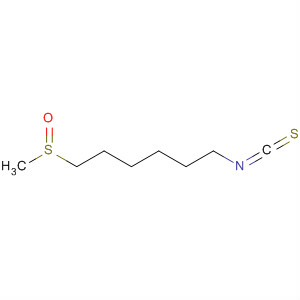
Hexaraphane, also known as 6-MSITC, is a wasabi-derived isothiocyanate. Isothiocyanates are a class of compounds associated with cruciferous plants and are responsible for many of the pungent characteristics associated with foods in this broader botanical group. In wasabi, however, hexaraphane differs from allyl isothiocyanate, or AITC, the compound strongly associated with the plant’s familiar heat and aroma.
Hexaraphane is non-volatile and has little taste or smell, making its properties distinct from the sensory experience most consumers associate with fresh wasabi. Dr. Okunishi said his interest in the compound developed after research suggested potential health effects and historical records indicated that wasabi had been used as a medicinal herb more than 1,300 years ago.
For GuideView, the distinction between the culinary identity of wasabi and the biochemical characteristics of individual wasabi compounds is important. The research focus is not simply on consuming conventional wasabi, but on understanding specific compounds, their biological activity and how they might eventually be developed into standardized ingredients.
A central concept in Dr. Okunishi’s research is “brain resilience.” Rather than viewing hexaraphane solely through the familiar categories of antioxidant or anti-inflammatory activity, he describes the compound as potentially supporting the brain’s ability to respond to multiple forms of cellular stress.
“I believe that hexaraphane is a compound capable of enhancing brain resilience.”
Dr. Okunishi defines brain resilience in terms of the ability to cope with challenges such as oxidative stress, inflammation, metabolic changes and damage to cellular proteins while preserving neural plasticity. This framework places emphasis on the brain’s own cellular defense and repair processes rather than treating a single biological pathway as the entire explanation for potential cognitive effects.
One pathway that features prominently in his research is Nrf2, a transcription factor involved in cellular defense. Dr. Okunishi said hexaraphane activates Nrf2, which can increase expression of antioxidant and cytoprotective genes. Under this model, hexaraphane would not necessarily function as a conventional antioxidant by directly neutralizing oxidative molecules; instead, it may help stimulate the body’s own protective systems.
Dr. Okunishi also points to biological effects that appear to extend beyond the Nrf2 pathway. Research discussed by the scientist suggests that hexaraphane may activate PP2A, an enzyme involved in regulating tau phosphorylation. The relevance of this mechanism is being explored because excessive accumulation of hyperphosphorylated tau is associated with Alzheimer’s disease and other neurodegenerative disorders.
These observations should be distinguished from clinical conclusions about disease prevention or treatment. The mechanisms described by Dr. Okunishi represent areas of scientific investigation, and evidence concerning a biochemical pathway does not by itself establish that supplementation prevents, treats or reverses a neurological disease.
Neural plasticity is another component of the research picture. The brain’s ability to adapt by modifying neural connections is fundamental to learning and memory. Hexaraphane has also been reported to promote autophagy, the cellular process responsible for helping cells remove damaged proteins and organelles. Dr. Okunishi characterizes the combined potential of these effects as a broader “brain cellular resilience factor.”
The question for the nutrition and health ingredients sector is whether laboratory and mechanistic findings translate into measurable outcomes in people. A 2023 randomized, double-blind, placebo-controlled trial published in Nutrients provides one human-data point frequently cited in discussions of 6-MSITC and cognition.
The study involved 72 healthy Japanese adults aged 60 and above. After 12 weeks of 6-MSITC supplementation, participants receiving the compound showed significant improvements in working memory and episodic memory compared with the placebo group. The study did not report significant improvements across other cognitive domains.
The study also acknowledged the need for additional research involving more diverse populations. Consequently, the findings provide evidence of a potential cognitive signal in a defined group, rather than establishing a broad clinical effect across all older adults or populations with neurological disease.
Human-study snapshot
For Kinjirushi, translating interest in hexaraphane into a usable ingredient has involved a significant processing challenge: separating the target compound from the chemicals responsible for wasabi’s intense pungency.
Wasabi contains high levels of AITC, the compound responsible for its characteristic heat. During the early development of a processed wasabi preparation, Dr. Okunishi’s team used heat treatment intended to deactivate the enzyme responsible for generating pungent compounds. Dr. Okunishi subsequently tested the preparation himself.
The result demonstrated the difficulty of controlling the underlying chemistry. The heat treatment did not prevent the enzymatic reaction from occurring in the intestine, leading to the production of a large amount of AITC. Dr. Okunishi said the experience resulted in severe diarrhea lasting three days.
“It felt as if my intestines were on fire.”
Beyond the personal experience, the episode highlighted a central formulation problem: developing a process capable of reducing or removing pungent compounds while retaining the desired hexaraphane. According to Dr. Okunishi, the task was particularly challenging because AITC and hexaraphane have similar molecular weights, while hexaraphane is unstable and sensitive to water and heat.
Kinjirushi ultimately developed a process to separate the two compounds. The work resulted in a manufacturing patent that has since expired. From an ingredient-development perspective, this history illustrates that commercializing a naturally occurring compound can require substantial processing expertise in addition to evidence concerning its biological activity.
Dr. Okunishi considers the current research program to be only an initial stage. He intends to continue examining hexaraphane in connection with dementia and other neurological and neuropsychiatric conditions, while further developing the broader concept of brain resilience.
He is also interested in a more contemporary question: whether compounds such as hexaraphane could have relevance to how the brain adapts to an increasingly digital environment. Modern consumers are exposed to continuous streams of information, notifications and other forms of stimulation, a setting that Dr. Okunishi describes as an “information shower” society.
“Ultimately, my goal is to explore how hexaraphane can enhance brain resilience, enabling the brain to maintain its health, adaptability and cognitive performance—even in today’s ‘information shower’ society, where we are constantly exposed to vast amounts of information and stimulation.”
GuideView observes that the hexaraphane story reflects a broader shift in the functional-ingredient sector: attention is increasingly moving from whole foods and traditional consumption formats toward individual bioactive compounds, standardized extraction processes and defined mechanisms of action.
The research pathway nevertheless remains at an investigational stage. Mechanistic findings involving Nrf2, PP2A, neural plasticity and autophagy provide scientific hypotheses, while the 2023 human trial offers evidence of potential effects on selected memory measures in a specific population. The absence of significant improvements in other cognitive domains and the study’s call for research in more diverse populations are important qualifications when interpreting the findings.
GuideView also identifies ingredient standardization as an important commercial dimension. A naturally occurring compound can have limited practical value as a consumer ingredient if it is difficult to isolate, stabilize or reproduce consistently. Kinjirushi’s experience separating hexaraphane from AITC illustrates how processing technology can become as important to an ingredient’s development pathway as the original discovery of the compound itself.
The next phase of hexaraphane research will therefore be significant on two fronts: establishing whether the observed cognitive findings can be reproduced across broader populations and clarifying how the compound’s proposed biological mechanisms relate to meaningful human outcomes. For Dr. Wasabi, the long-term objective extends well beyond the familiar heat of wasabi. It is centered on understanding whether a compound derived from a centuries-old botanical ingredient can contribute to a modern scientific framework for brain resilience, healthy aging and cognitive performance.
 |
|
 |
 EN
EN
 Agricultural News
 Food News
 Industrial News
 Cosmetic News
 Pharmaceutical News
 Science News

 14YRS
14YRS


